Introduction: A Historic Investment Signals a New Dawn for Venezuelan Oil
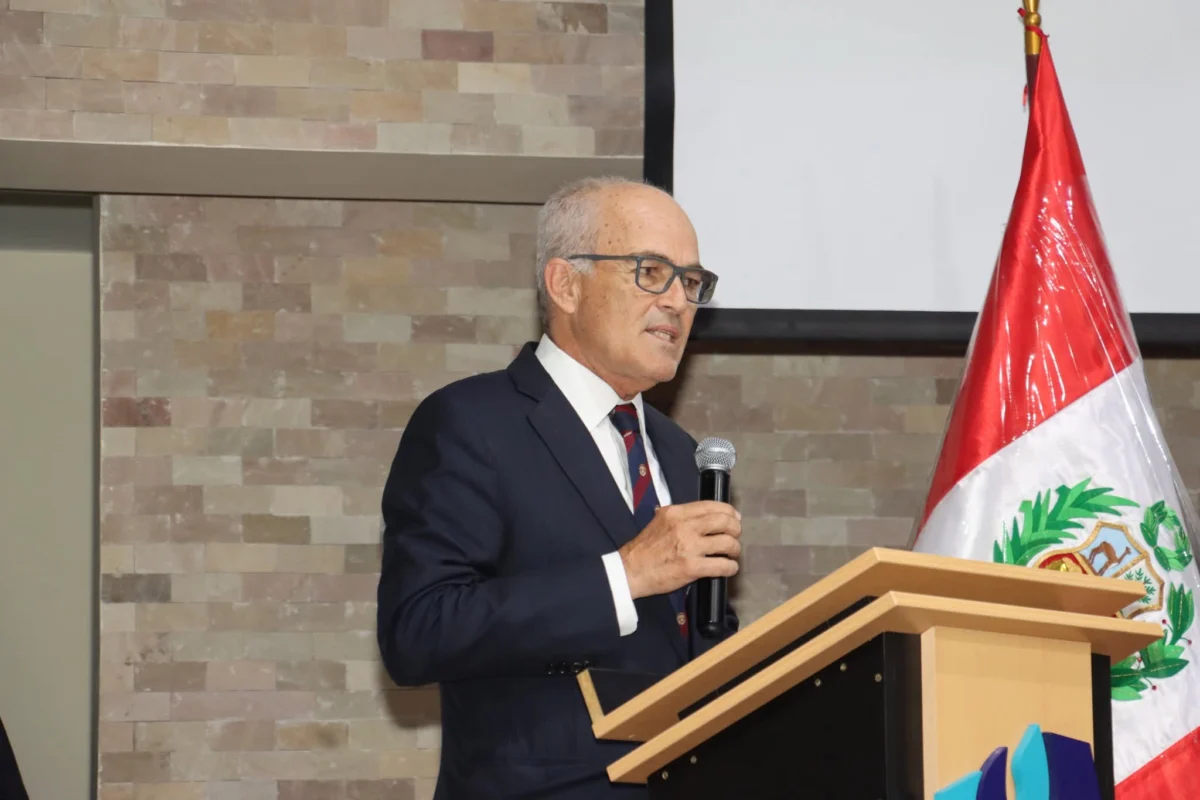
In a move that has sent ripples through the global energy landscape, American oil giant Chevron has announced a monumental investment of over $7 billion in Venezuela over the next five years. This ambitious plan aims to more than double the company’s crude oil production in the South American nation, projecting an output of approximately 600,000 barrels per day. This strategic decision is not a sudden whim but the culmination of a two-decade-long commitment, a testament to Chevron’s unwavering faith in Venezuela’s vast hydrocarbon potential, even as other major oil companies exited the market. The announcement, made on September 2nd, was witnessed by U.S. Secretary of Energy Chris Wright, marking a significant diplomatic and economic engagement between the two nations. The U.S. Department of Energy lauded the development as a "new era of energy investment in Venezuela," underscoring the newfound optimism surrounding the country’s oil sector.
Main Facts: Chevron’s Strategic Pivot and Venezuela’s Oil Renaissance
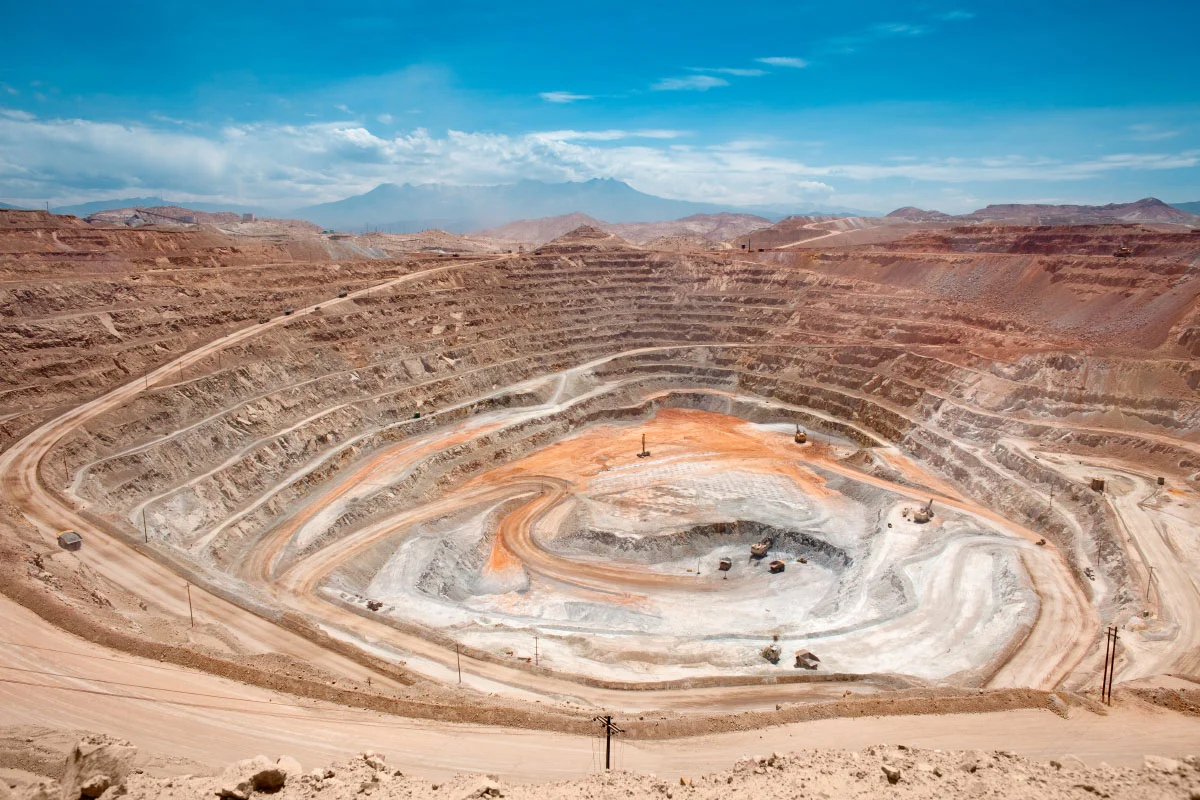
Chevron’s decision to inject substantial capital into Venezuela signifies a profound shift in its global strategy and a bold endorsement of Venezuela’s potential to reclaim its position as a major oil producer. The $7 billion investment is earmarked for expansion within critical areas of the Orinoco Belt, specifically targeting the Carabobo 1 and Carabobo 2 Sur-A blocks. This injection of capital is expected to dramatically increase Venezuela’s crude oil output, a nation that has struggled with production declines for years due to economic sanctions, political instability, and underinvestment.
The agreement allows Chevron to leverage its existing infrastructure and deep operational knowledge, accumulated over decades of presence in Venezuela. This stands in stark contrast to competitors like ExxonMobil and ConocoPhillips, who chose to divest from the country following the nationalizations of the mid-2000s and pursued international arbitration for compensation. Chevron’s patient approach, navigating hyperinflation, power outages, and political volatility, has now positioned it as the sole major U.S. oil company with a significant operational footprint.
Mike Wirth, Chevron’s Chairman and CEO, articulated the company’s long-term vision: "Chevron’s trajectory in Venezuela spans over a century, and our increased presence in the country reflects our confidence in its immense resource potential and its ability to compete for investment within our global portfolio for decades to come." This statement underscores a strategic bet on Venezuela’s enduring relevance in the global energy market.
Chronology: A Long Game of Patience and Strategic Positioning
Chevron’s current investment is not an overnight sensation but the result of a carefully orchestrated, long-term strategy. The company’s history in Venezuela stretches back over a century, a period marked by fluctuating political climates and economic upheavals.
- Early 2000s: Nationalizations and Departures: Following the nationalization of key oil assets by the Venezuelan government in the mid-2000s, several international oil companies, including ExxonMobil and ConocoPhillips, opted to exit the country. They pursued international arbitration to reclaim their investments.
- Chevron’s Strategic Decision to Remain: In contrast to its competitors, Chevron made the strategic decision to stay. This was a calculated move, recognizing the immense potential of Venezuela’s oil reserves. Throughout the subsequent years of hyperinflation, political instability, and infrastructure challenges, Chevron maintained its operations, albeit at a reduced capacity.
- Diplomatic Maneuvering: During this challenging period, Chevron’s executives engaged in persistent diplomatic efforts in both Caracas and Washington to safeguard their operational interests and lay the groundwork for future expansion. This involved navigating complex regulatory environments and maintaining relationships with various stakeholders.
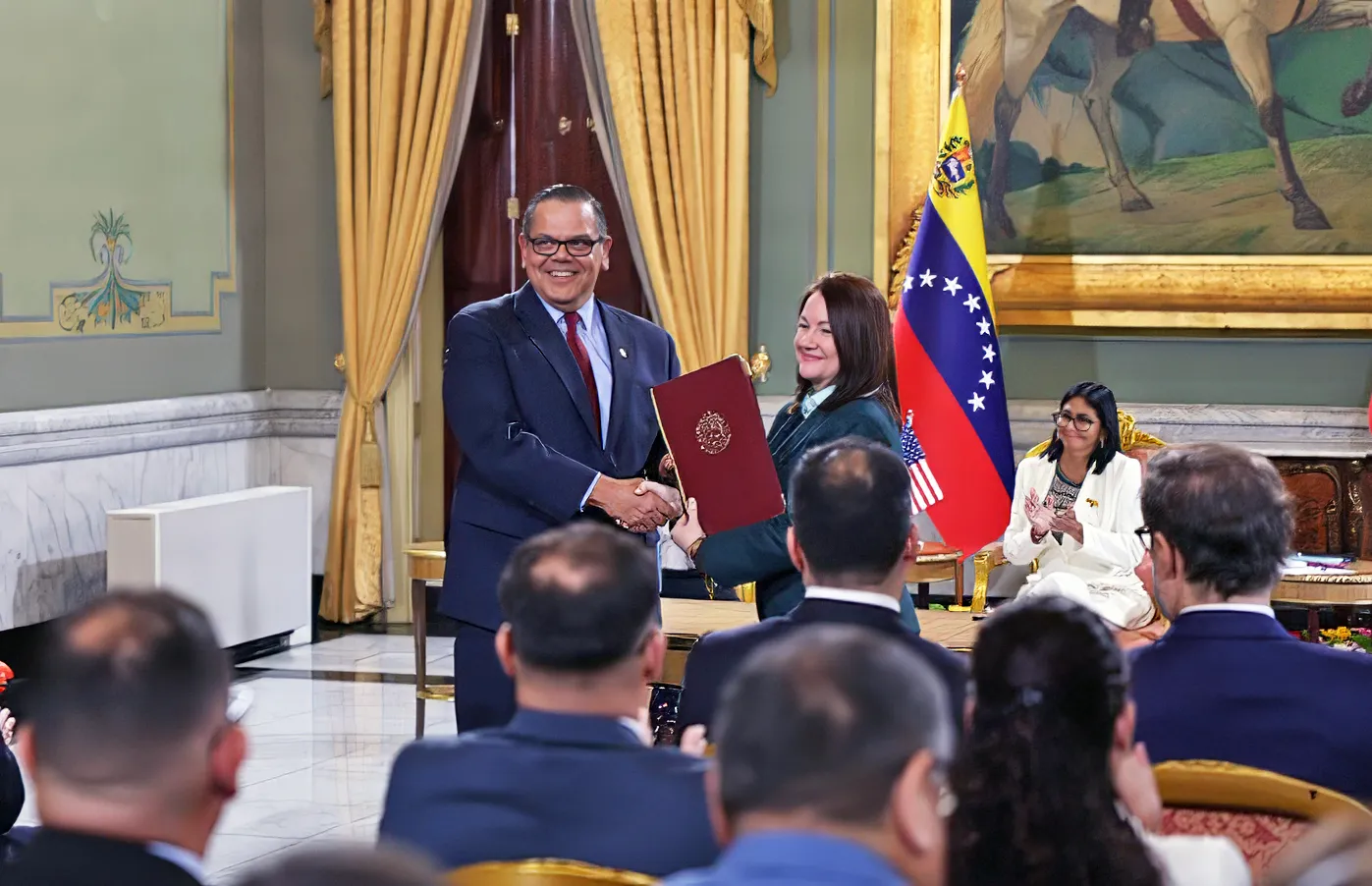
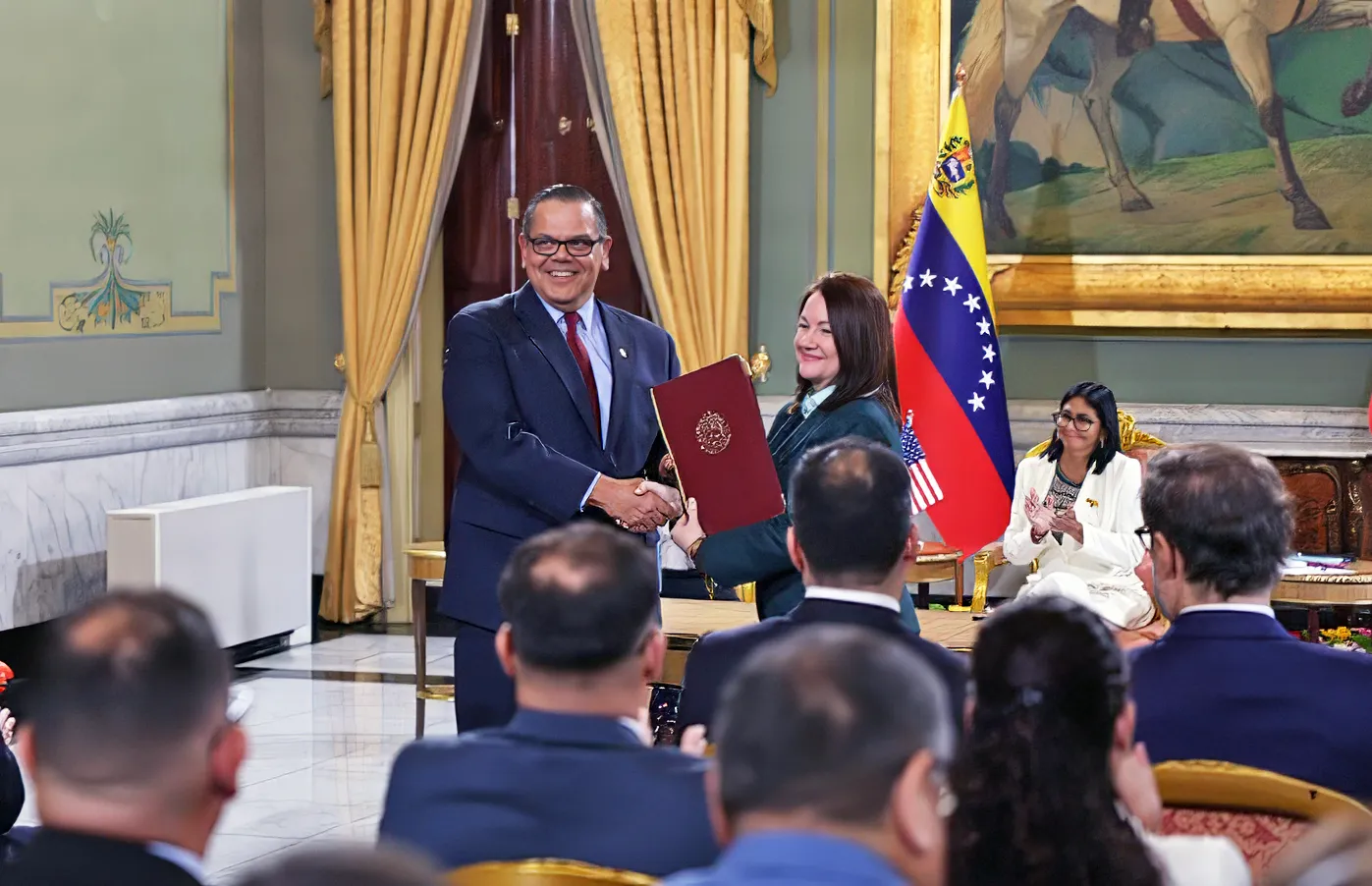
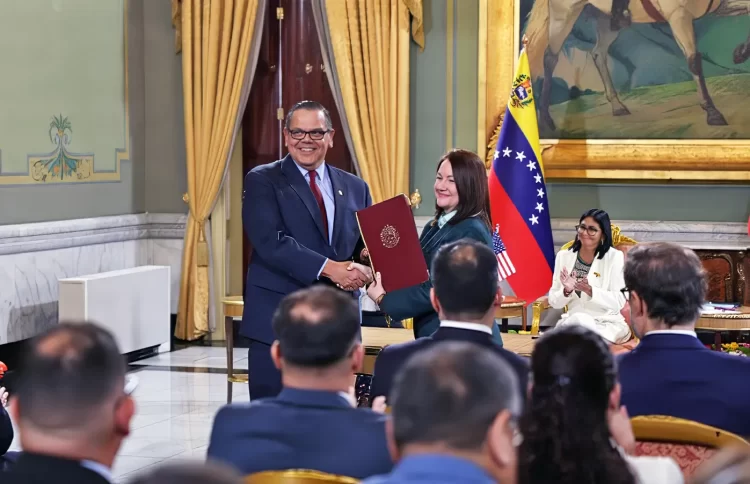
- September 2, 2026: The Landmark Announcement: The culmination of these efforts arrived on September 2nd, with the official announcement of the $7 billion investment plan. The presence of U.S. Secretary of Energy Chris Wright at the signing ceremony underscored the renewed diplomatic engagement and the strategic importance of this development for both nations. This date marks a pivotal moment, signaling a potential resurgence of foreign investment in Venezuela’s crucial oil sector.
Supporting Data: Unlocking Venezuela’s Vast Resource Potential
The significance of Chevron’s investment is underscored by the sheer scale of Venezuela’s oil reserves and the competitive cost of extraction.
- Vast Reserves: The agreement grants Chevron access to reserves estimated in the billions of barrels. These reserves are projected to sustain Chevron’s operations in Venezuela well into the 2040s and beyond, positioning the company for decades of production.
- Low Extraction Costs: Venezuela’s crude oil boasts a remarkably low extraction cost, estimated to be below $20 per barrel. This makes it an exceptionally profitable source of oil, especially in an environment of sustained high global oil prices. This cost advantage provides Chevron with a significant competitive edge.
- Production Targets: The immediate goal of the investment is to more than double Chevron’s current production to approximately 600,000 barrels per day. This ambitious target reflects confidence in the operational capacity and resource accessibility.
- Broader Energy Agreements: Chevron is not the sole beneficiary of this renewed investment climate. Italian energy company Eni also signed a 25-year contract to operate the Junín 5 block, which holds an estimated 35 billion barrels of reserves. Eni, in partnership with Repsol, also operates the Perla field, Latin America’s largest gas discovery. Together with the Venezuelan state-owned company, Eni and Repsol plan to invest an additional $1.5 billion.
Official Responses: A "New Era" and Long-Term Confidence
The announcement has been met with enthusiastic endorsements from key figures in both the energy industry and government, highlighting the strategic importance and potential impact of this investment.
- Mike Wirth, Chairman and CEO of Chevron: "Chevron’s trajectory in Venezuela spans over a century, and our increased presence in the country reflects our confidence in its immense resource potential and its ability to compete for investment within our global portfolio for decades to come. Together with our partners, we expect to invest more than $7,000 million and double production." This statement emphasizes Chevron’s deep-rooted history and its long-term outlook for Venezuela.
- U.S. Department of Energy: The department characterized the development as a "new era of energy investment in Venezuela." This official pronouncement signals a shift in U.S. policy and a tacit approval of renewed engagement with Venezuela’s energy sector.
- Chris Wright, U.S. Secretary of Energy: His presence at the signing ceremony underscored the U.S. government’s strategic interest in this development and its role in fostering renewed energy ties with Venezuela.
Implications: Navigating Geopolitical Risks and Securing Future Dominance
Chevron’s substantial investment in Venezuela is a calculated gamble with far-reaching implications, balancing immense potential rewards against persistent geopolitical uncertainties.
- Strategic Advantage Through Patience: Chevron’s decision to remain in Venezuela during its most challenging years has provided it with an invaluable advantage. The company possesses existing infrastructure, established relationships, and accumulated operational knowledge that competitors would find exceedingly difficult and time-consuming to replicate. This positions Chevron as a frontrunner in any future resurgence of the Venezuelan oil industry.
- The Permian Basin Analogy: Chevron’s strategy in Venezuela echoes its approach in the Permian Basin in the United States. Following its merger with Texaco in 2001, Chevron inherited extensive drilling rights in the Permian Basin. Despite initial uncertainties surrounding the profitability of shale resources, Chevron chose to hold onto these assets. Years later, advancements in horizontal drilling and hydraulic fracturing technologies unlocked the immense potential of these reserves, making Chevron a dominant player in one of the world’s most significant oil-producing regions. This precedent suggests a long-term vision where Chevron is willing to wait for technological and economic shifts to make previously challenging resources viable.
- Geopolitical Uncertainty Looms: Despite the promising outlook, Chevron’s strategy in Venezuela is not without considerable political risk. The future of U.S. policy towards Venezuela is uncertain, particularly regarding the upcoming presidential elections. Any shift in the U.S. administration could alter the current engagement dynamics. Furthermore, there is no guarantee that the Venezuelan government will maintain its cooperative stance with the U.S. in the long term. Changes in political power within Venezuela could also lead to altered operating conditions for foreign companies.
- Expert Analysis: Schreiner Parker of Rystad Energy notes that Chevron’s decades-long relationships, coupled with its accumulated infrastructure and expertise, place it in a unique position. However, he cautions that the future profitability of this investment remains contingent on a complex interplay of technological, economic, commercial, and political factors.
- A Bet on Long-Term Dominance: In essence, Chevron is making a strategic bet on a long-term play in a market boasting immense reserves. Its two-decade-long patience could translate into a dominant position in Venezuela’s oil sector. The crucial question remains whether the evolving political landscape will allow this ambitious wager to materialize. For now, Chevron has made its move, and the unfolding of this high-stakes gamble remains to be seen. The company’s commitment signals a potential turning point for Venezuela’s oil industry, but the path forward will undoubtedly be shaped by a delicate balance of economic opportunity and persistent geopolitical complexities.