By ProActivo Editorial Team
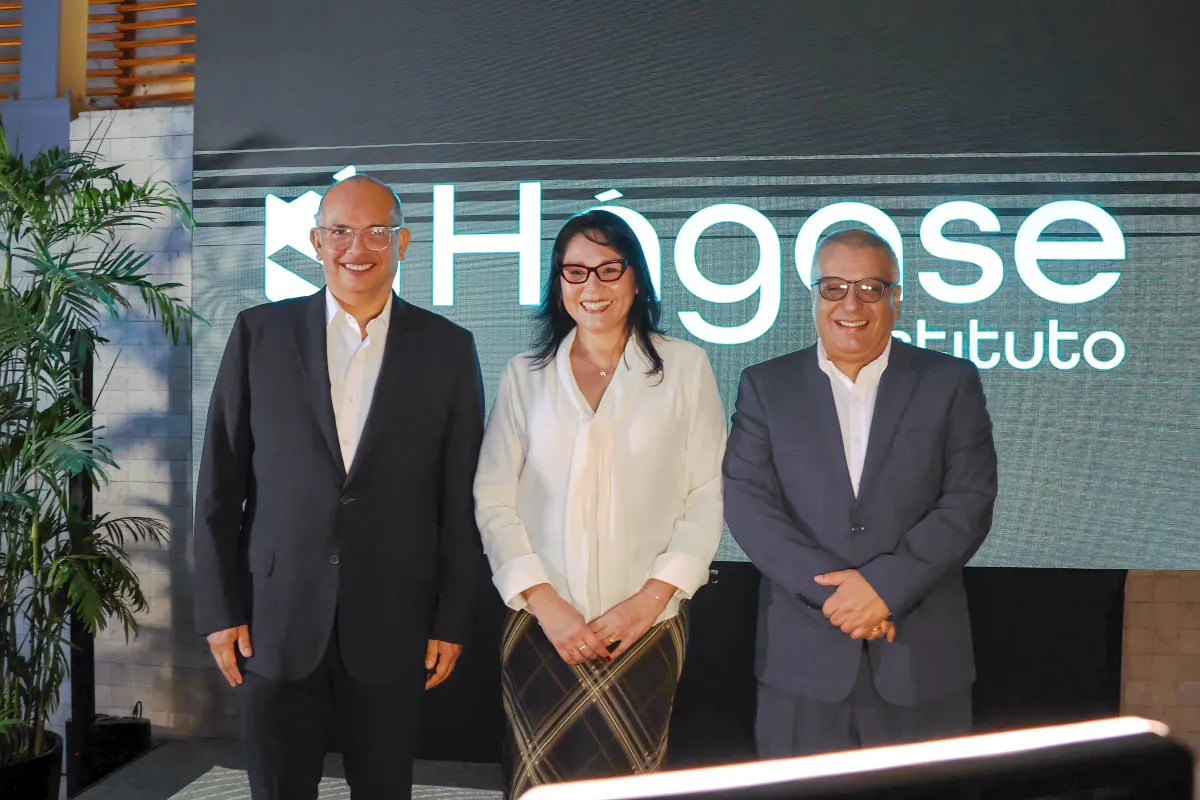
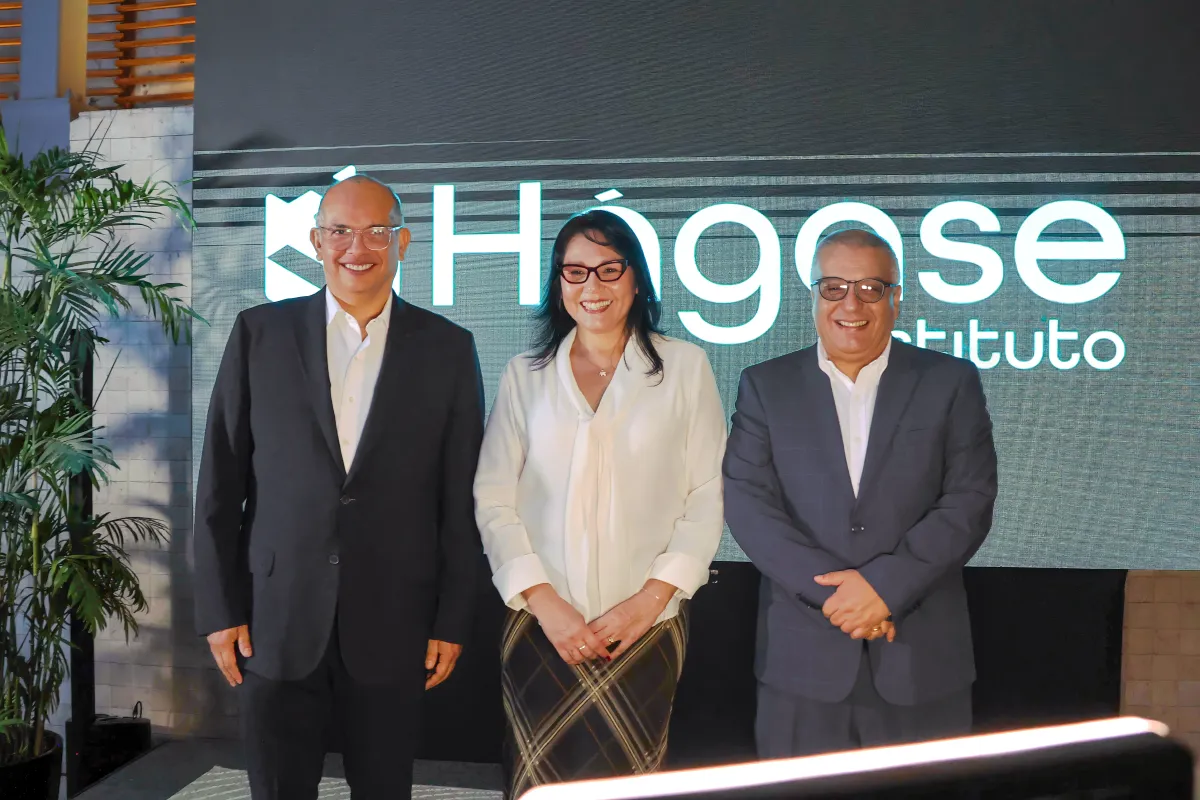
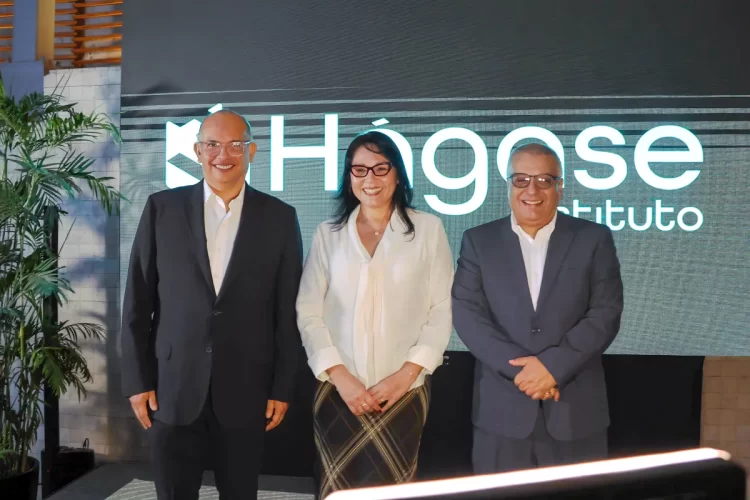
In a strategic move to address the persistent, systemic deficiencies in Peru’s public administration, three prominent former state ministers—Luis Miguel Castilla, Paola Bustamante, and Milton von Hesse—have officially unveiled "Hágase Instituto." This new organization is not designed to be another academic think tank, but rather a specialized implementation engine dedicated to providing technical assistance to subnational governments, optimizing budgetary execution, and fortifying the human capital essential for effective governance.
The launch of the institute signals a departure from the traditional diagnostic approach that has long characterized Peruvian public policy discourse. Instead, the founders emphasize a “boots-on-the-ground” philosophy, focusing on the practical mechanics of service delivery and the resolution of the chronic disconnection between the wealth generated by the state and the actual quality of life experienced by citizens.
1. The Core Crisis: The Disconnect Between Wealth and Welfare
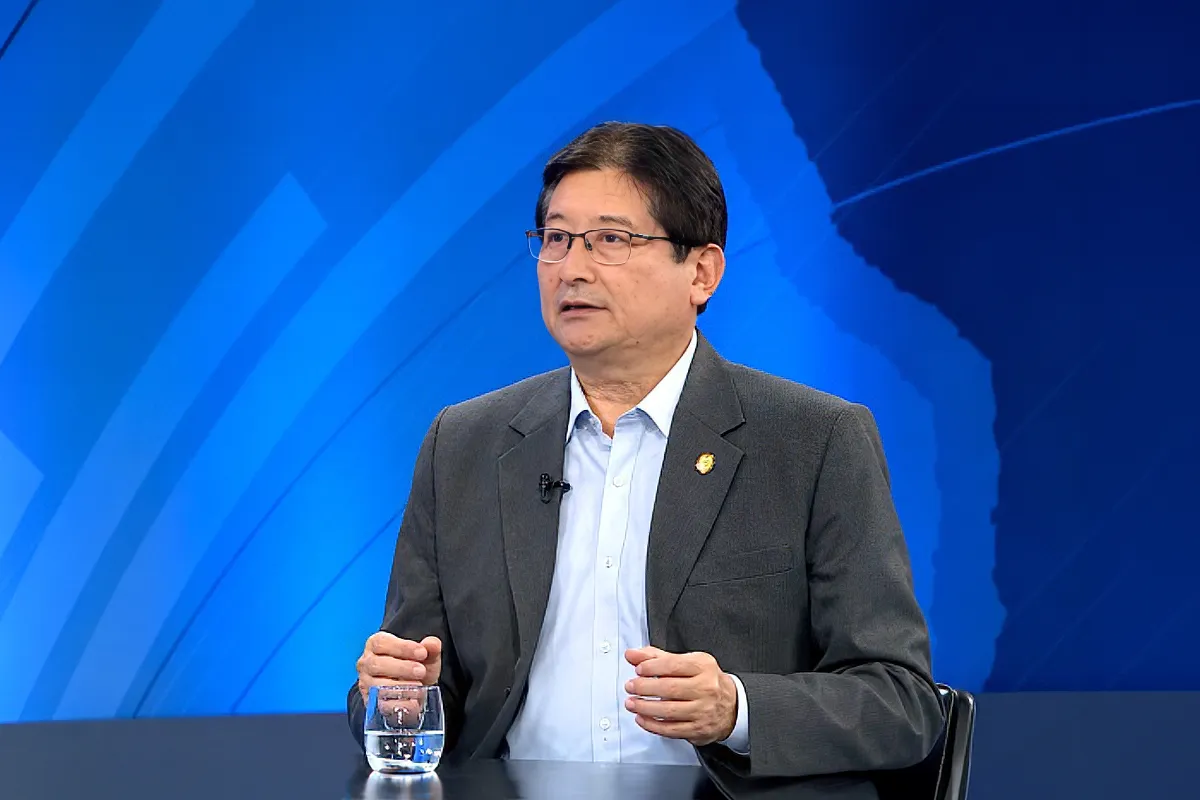
At the heart of the initiative lies a sobering assessment of the Peruvian state’s current functionality. Luis Miguel Castilla, the former Minister of Economy and Finance and now president of Hágase Instituto, articulated the organization’s primary motivation during the launch event. He highlighted a critical, widening chasm between the country’s economic potential and the government’s ability to translate that potential into tangible public value.
"There is a fundamental disconnect between the amount of wealth generated in this country and what the government does with that wealth," Castilla stated. He noted that while Peru has benefited from cycles of economic growth driven by extractive industries—specifically through the canon and royalties system—these financial resources have failed to materialize into improved basic services, such as healthcare, education, and water sanitation, for the average citizen.
Castilla argued that the country suffers from a surplus of diagnostic data but a severe deficit in execution. "We have enough diagnoses on ‘what to do’ and ‘where our debts to the country lie,’" he observed. "The problem is the divorce between resources and the well-being of the population. That is why we chose the name ‘Hágase’ (Let it be done/Get it done). It is an imperative for action."
2. Chronology: From Legislative Inflation to Administrative Stagnation
To understand the necessity of Hágase Instituto, one must look at the evolution of the Peruvian administrative landscape over the last decade:
- Pre-2019 (The Institutional Erosion): During this period, the stability of the civil service began to waver, with the professionalization of the public sector suffering from political instability and frequent cabinet turnovers.
- 2019–2024 (The Expertise Deficit): This period marked a significant decline in the quality of public management. As noted by the founders, a wave of political appointments replaced career civil servants with individuals lacking the technical background or experience required to manage complex government portfolios.
- 2025 (The Policy Overload): A period defined by an excess of regulation—where the gap between the law as written and the law as applied became a barrier to development, rather than a framework for it.
- September 2026 (The Launch of Hágase Instituto): A formal effort to pivot toward technical recovery, prioritizing the restoration of administrative capacity at the regional and local government levels.
3. Supporting Data: The Regional Inequality Trap
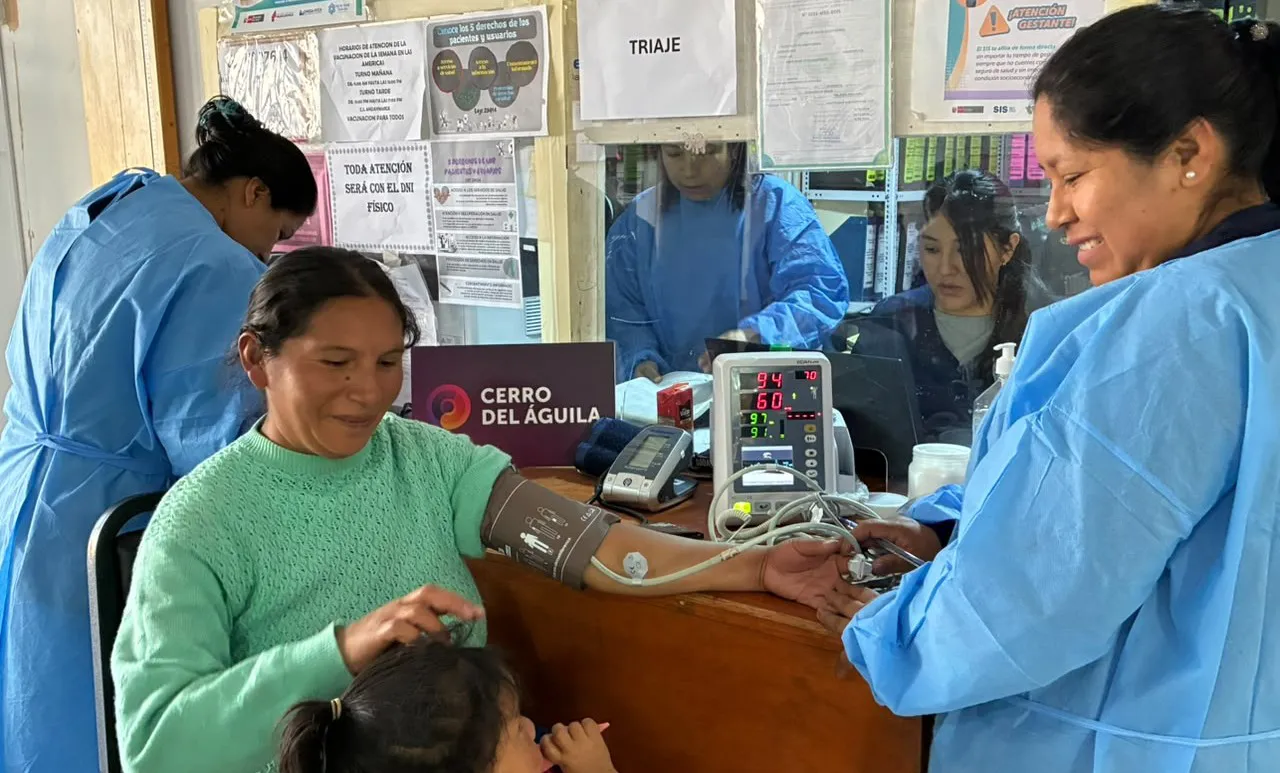
The rationale behind Hágase Instituto is anchored in the stark geographical disparities that define Peru. While national averages for poverty and service access might show marginal improvements, the reality in the "23 departments outside of Lima" remains dire.
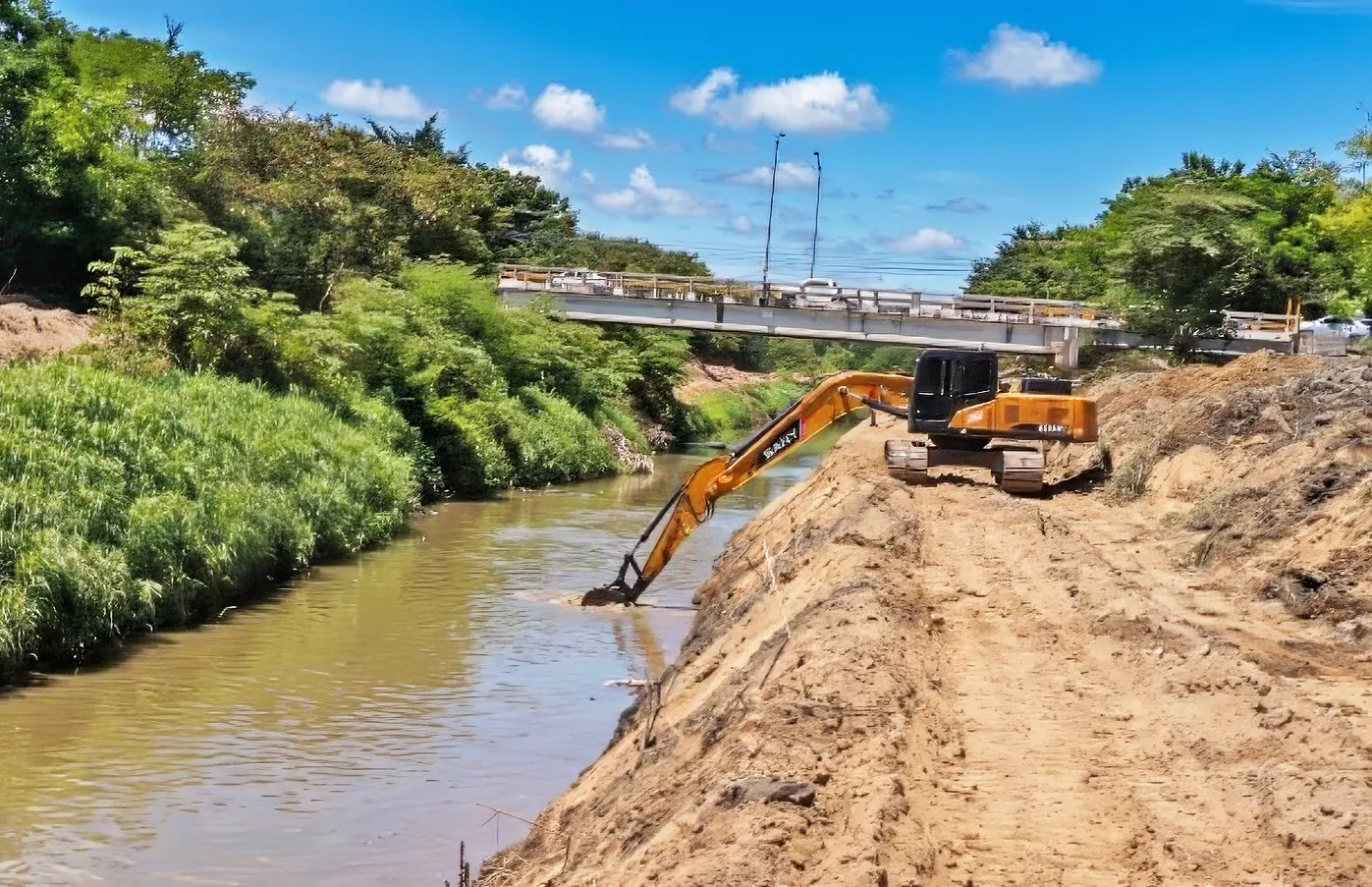
The organization’s focus on these regions is not merely altruistic; it is an economic necessity. Data from regional budget execution reports consistently show that municipalities and regional governments frequently leave millions of soles unspent, not because of a lack of funds, but because of a lack of technical capacity to shepherd projects through the bureaucratic pipeline—from the profile stage to the final liquidation of assets.
The institute’s upcoming program, "Siendo Líderes," seeks to rectify this by identifying and training top-tier professionals across these 23 regions. By creating a network of skilled administrators, the institute aims to mitigate the "geographic lottery" where a citizen’s quality of life is determined entirely by their birthplace—whether in the affluent districts of Lima or in remote, underserved areas like Purús or Yunguyo.
4. Official Responses and Strategic Pillars
The founders bring decades of high-level government experience to the table, each focusing on a distinct but interconnected pillar of state reform:
Paola Bustamante: Restoring the Institutional Fabric
Paola Bustamante, former Minister of Development and Social Inclusion, emphasized that the state is not a monolith of corruption, as popular narratives might suggest. She argues that the majority of civil servants are dedicated professionals who lack the institutional support to excel.
"We believe it is necessary to work on recovering that institutional capacity—the capacity to manage," Bustamante asserted. Her strategy involves an end-to-end approach, focusing on human capital development from early childhood services to regional project management. She explicitly rejects the cynical view that the entire bureaucracy is compromised, choosing instead to partner with the thousands of career civil servants who are committed to the public good but are currently stifled by inefficiency.
Milton von Hesse: Optimizing the Quality of Public Investment
Milton von Hesse, former Minister of Housing and Agriculture, provided a technical blueprint for the institute’s operations. He identified the "loss of institutional memory" as the primary driver of current project failures.
"In the last five years, career officials with years of experience were replaced by people who lacked the training or experience for the tasks they were charged with," von Hesse noted. Hágase Instituto will provide a methodology for:
- Sustainability over Speed: Moving away from the "spend it all before the end of the year" mentality that leads to poor-quality infrastructure.
- Bureaucratic De-bottlenecking: Providing expert intervention to solve specific, recurring legal and administrative hurdles, such as the management of project addenda and final asset liquidation.
- Demand-Driven Assistance: The institute will not impose its will on regions; it will intervene only upon the explicit invitation and request of local authorities, ensuring local ownership of the results.
5. Implications for the Future of Peruvian Governance
The implications of Hágase Instituto’s entry into the public policy sphere are significant. By positioning themselves as a "bridge" between the central government’s resources and the subnational government’s implementation capacity, they are filling a void that has been occupied by either ineffective consulting firms or purely political actors.
Short-term impacts:
The institute is expected to act as a stabilizer for local administrations struggling with complex procurement laws and the rigidities of the National System of Multiannual Programming and Investment Management (Invierte.pe).
Long-term implications:
If successful, the model could lead to a permanent, decentralized professionalization of the public sector. By fostering a "managerial class" at the regional level, the institute hopes to insulate long-term development goals from the cyclical nature of electoral politics.
Ultimately, Hágase Instituto represents a pragmatic recognition that the Peruvian state, while rich in assets and legal frameworks, is starving for the technical, day-to-day "doing" that characterizes functional democracies. The founders have made it clear: the era of theorizing about Peru’s problems is over. The era of Hágase—of getting the work done—is the current necessity. By focusing on the "how" rather than the "why," they hope to transform the state from an obstacle into an engine of progress for every citizen, regardless of their zip code.