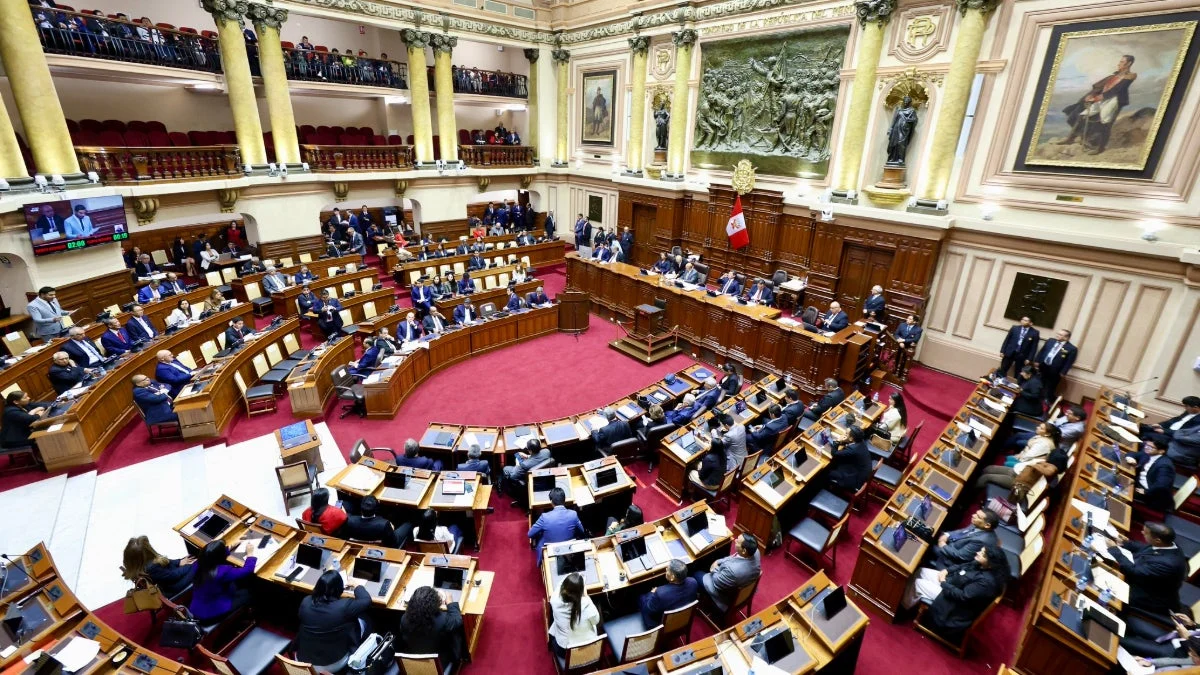
The Peruvian legislative landscape is bracing for one of its most consequential sessions of the year. With the formal publication of the 2027 Public Sector Budget Bill on the official Congressional portal, the stage is set for a rigorous examination of the nation’s financial priorities. The Plenary session, scheduled for Thursday, September 3, will serve as the opening act for a comprehensive debate that encompasses not only the budget itself but also the associated legislative initiatives regarding financial equilibrium and public indebtedness.
As the country navigates a complex economic environment, the proposed budget—totaling more than S/ 266,506 million—represents the government’s strategic blueprint for the upcoming fiscal year. This massive allocation of resources aims to balance the pressing social needs of the population with the overarching necessity of maintaining fiscal discipline.
The Core Facts: A Blueprint for 2027
The draft legislation, submitted by the Executive Branch, represents a significant undertaking in public financial management. At its core, the S/ 266.5 billion figure is designed to sustain the state’s operations while attempting to stimulate economic recovery and enhance social stability.
The debate, which begins at 10:00 a.m. on September 3, will focus on three interconnected pillars:
- The Public Sector Budget: The primary document outlining the distribution of funds across all ministries and government agencies.
- Financial Equilibrium: A projection of revenue and expenditure designed to ensure that the government does not live beyond its means.
- Indebtedness: The legal authorization required for the state to contract new financial obligations, ensuring that national debt remains within sustainable parameters.
These three components are inseparable. Without the approval of the equilibrium and indebtedness laws, the main budget would lack the necessary backing to be executed, making the upcoming session a high-stakes legislative exercise.
Chronology of the Budget Process
The road to the September 3 session was paved by months of technical analysis and internal negotiations. The trajectory of the 2027 budget follows a strictly defined calendar aimed at ensuring transparency and consensus:
- July 2026: The Ministry of Economy and Finance (MEF) reported critical fiscal milestones, including a reduction of the fiscal deficit to 1.3% of the GDP and a public debt-to-GDP ratio of 28%. These figures set the "fiscal ceiling" for the upcoming negotiations.
- August 2026: Throughout the month, Minister of Economy and Finance, Elmer Cuba, led a series of intense coordination meetings with various sectors of the Executive. These meetings were vital for filtering departmental demands through the lens of national fiscal capacity.
- Late August 2026: The finalized draft was consolidated and uploaded to the Congressional portal, marking the transition from Executive formulation to Legislative oversight.
- September 3, 2026: The scheduled date for the initial Plenary debate, where the legislative process officially begins.
- Post-September 2026: The proposal will move to the Budget Committee, where individual items will be scrutinized before being returned to the Plenary for a final vote.
Strategic Priorities and Official Responses
Minister of Economy and Finance, Elmer Cuba, has been vocal about the technical rigor behind the 2027 proposal. According to the Minister, the budget is not a mere collection of spending requests but a prioritized list of interventions designed to maximize impact for the average citizen.
Strengthening Internal Security
Given the growing public concern over citizen security, the 2027 budget includes significant allocations for the modernization of police infrastructure, intelligence units, and the strengthening of the internal order. This is seen as a prerequisite for economic growth, as security is a foundational element for private investment.
Climate Resilience and Infrastructure
The budget places heavy emphasis on preparing for environmental volatility, specifically the potential resurgence of the El Niño phenomenon. Significant funds have been earmarked for preventive infrastructure, ensuring that the country’s agricultural and urban centers can withstand climate-related shocks.
Social Sectors: Education, Health, and Inclusion
Despite the emphasis on fiscal prudence, the Executive has signaled that the social safety net remains a priority. The allocation for health and education is designed to bridge the gap in service provision that widened during previous years, with a specific focus on modernizing regional hospitals and improving the quality of public education in rural districts.
The Economic Context: Fiscal Responsibility
The 2027 budget is being introduced at a time when the Peruvian government is keen to signal its commitment to institutional stability. The MEF’s recent data showing a 1.3% fiscal deficit represents a notable achievement in post-pandemic recovery.
By keeping public debt at 28% of the GDP, the government aims to maintain its investment-grade status in international financial markets. This allows the country to borrow at more favorable interest rates, which is essential for funding the large-scale infrastructure projects planned for 2027. Minister Cuba has repeatedly emphasized that "fiscal sustainability is not an obstacle to growth; it is the foundation upon which growth can be built."
Legislative Implications: What Happens Next?
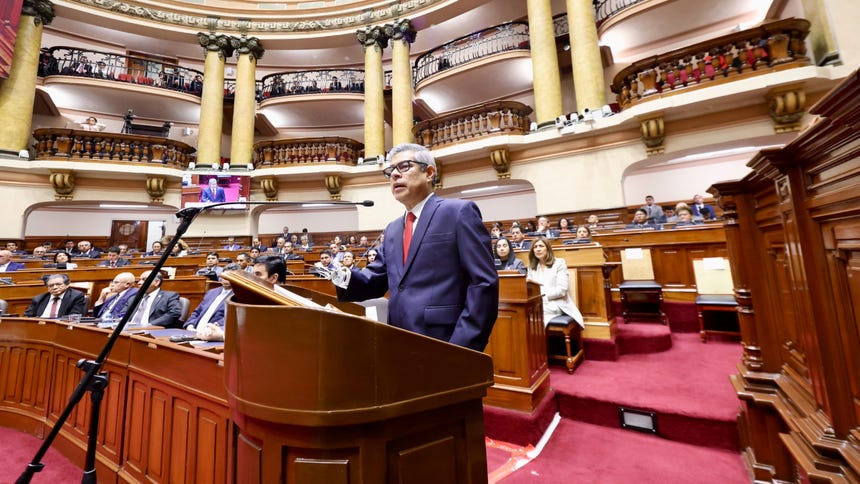
The upcoming debate is not merely a procedural formality; it is a political arena. The opposition and minority benches in Congress are expected to challenge the Executive on the efficiency of the spending. The core questions likely to dominate the discourse include:
- Efficiency of Execution: Can the government effectively spend the S/ 266.5 billion, or will bureaucratic bottlenecks lead to unspent resources?
- Regional Distribution: How much of this budget will reach the underserved regions of the country versus remaining in centralized Lima-based programs?
- Economic Stimulus: Does the budget provide enough of an incentive to boost private investment, or is it too heavily tilted toward operational expenses?
The Congress of the Republic holds the power to amend the budget, provided that such amendments do not violate the overall fiscal balance. This creates a space for political horse-trading, as different parties will fight for projects in their respective districts.
Supporting Data and Financial Outlook
To understand the magnitude of the 2027 budget, one must look at the broader financial landscape. The S/ 266,506 million figure represents a significant slice of the nation’s total economic output.
- Revenue Streams: The government is betting on stable tax collection, aided by the formalization of the economy and consistent growth in the mining and export sectors.
- Public Debt Management: The "Endeudamiento" bill is crucial because it allows the state to roll over existing debt at manageable terms, preventing a liquidity crisis.
- The Multiplier Effect: The Ministry of Economy argues that for every sol spent on targeted infrastructure and social programs, there is a secondary effect on employment and local business consumption.
Conclusion: A Turning Point for the Administration
As the clock ticks toward the morning of September 3, the atmosphere in Lima is one of cautious anticipation. The 2027 budget is more than a spreadsheet; it is the legislative reflection of the government’s vision for the country’s immediate future.
The Executive branch has performed its duty by drafting a plan that attempts to walk the fine line between the need for immediate social relief and the long-term necessity of fiscal health. However, the true test lies within the halls of the Legislative Palace. Whether the Parliament will embrace the government’s vision or demand radical changes remains to be seen.
Ultimately, the decisions made during the coming weeks will determine the pace of development for the next fiscal year. With inflation concerns, global market fluctuations, and the ever-present shadow of environmental challenges, the 2027 Budget represents the primary mechanism through which Peru will either consolidate its economic recovery or face new structural challenges. The nation watches closely, knowing that these numbers will shape the quality of life for millions of citizens in the year to come.