The landscape of Argentina’s central transportation network is undergoing a significant metamorphosis. The Autopista Ruta 19 (Route 19 Highway) project, a massive infrastructure undertaking designed to bridge the economic divide between the provincial capital of Córdoba and the industrial hub of San Francisco, has officially reached the 30% completion mark. This milestone, confirmed by provincial authorities and executed by the state-owned road management firm Caminos de las Sierras, represents more than just asphalt and concrete; it signifies a strategic pivot toward modernizing one of the nation’s most vital commercial arteries.
Spanning 62.9 kilometers of high-traffic territory, the project is a centerpiece of Córdoba’s regional development plan. By upgrading the existing road into a full-scale motorway, the province aims to bolster logistics efficiency, enhance road safety, and solidify its position as a critical node within the South American Mercosur trade corridor.
Main Facts: A Blueprint for Connectivity
The Route 19 expansion is not merely an improvement of the existing surface; it is a complete structural overhaul. The design specifications call for a dual-carriageway motorway, featuring two lanes in each direction, complete access control, and dedicated service roads (colectoras). These features are designed to minimize the risk of high-speed collisions, which have historically plagued the single-carriageway version of this route.
Key technical aspects of the current project include:
- Total Length: 62.9 kilometers.
- Scope: Construction of new access interchanges, bridges, and comprehensive repaving.
- Execution Agency: Caminos de las Sierras.
- Current Status: 30% of total project completion.
- Economic Impact: Over 250 direct and indirect jobs created.
The highway is strategically positioned to serve as the backbone of the region’s agro-industrial output. By facilitating a more fluid transit for freight vehicles, the project directly supports the export-oriented businesses that rely on the connectivity between the interior of the province and the logistical networks that lead to national ports and international borders.

Chronology of Development
The path to the current 30% milestone has been marked by meticulous engineering and phased implementation. While the project has seen years of conceptualization, the recent acceleration of work has been focused on the most critical sections, particularly the stretch between Santiago Temple and Arroyito.
- Initial Planning and Procurement: The project underwent an extensive environmental and logistical feasibility phase, ensuring that the new highway would integrate seamlessly with existing provincial road networks while minimizing the displacement of agricultural land.
- Early Construction Phase: Initial efforts focused on land clearing, base stabilization, and the foundational work for the new interchanges.
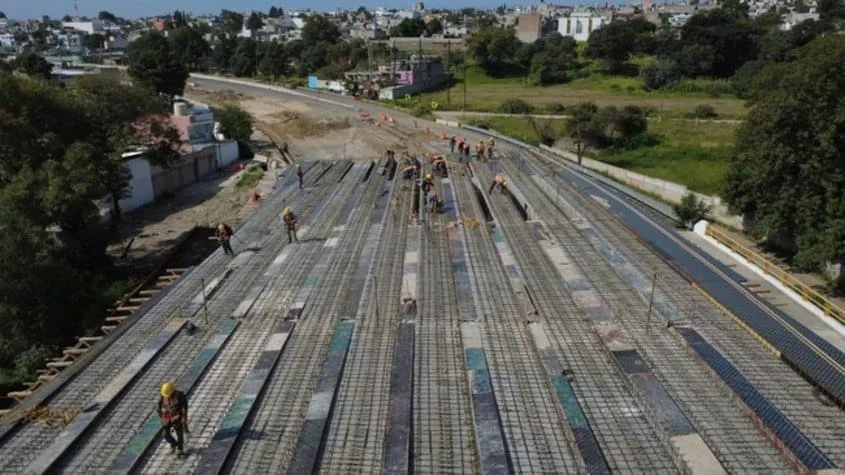
- Milestone – Los Chañaritos: One of the most significant recent achievements has been the completion of the access bridge to the locality of Los Chañaritos. This structure acts as a vital entry and exit point for residents and local producers, ensuring that the new highway does not isolate rural communities but rather integrates them more deeply into the provincial economy.
- Current Phase: Work is currently concentrated on the 3.3-kilometer connector road linking the town to the new highway, alongside the 12-kilometer stretch between Los Chañaritos and the Tránsito access interchange. This phase is characterized by intensive paving operations and the installation of safety signage and drainage systems.
Supporting Data and Technical Specifications
The engineering rigor behind the Autopista Ruta 19 is extensive. Modern highway construction in Argentina must account for heavy agricultural traffic, including large, multi-trailer trucks that transport grain, livestock, and manufactured goods. The load-bearing capacity of the new surface is designed to withstand higher volumes and heavier weights than the previous iteration.
Furthermore, the integration of "control total de accesos" (full access control) is a departure from traditional local road design. By eliminating unregulated crossings and utilizing sophisticated interchange designs, the provincial government is targeting a significant reduction in accident rates.
Data from the regional department of transportation indicates that this corridor is one of the highest-trafficked routes in the province. The efficiency gain—measured in reduced transit time for heavy cargo—is expected to have a multiplier effect on the regional GDP by lowering the "logistical tax" currently paid by local producers due to congestion and road degradation.
Official Responses and Strategic Vision
Government officials have consistently characterized the project as a "generational investment." According to the provincial administration, the decision to prioritize the Route 19 upgrade was driven by the necessity of providing a world-class transit solution to the productive heart of the country.

"This is not just about building a road; it is about building the future of our regional trade," stated a representative from the Ministry of Infrastructure. "By ensuring that our producers can move their goods quickly and safely to market, we are fostering an environment where investment can thrive."
The administration has also highlighted the socio-economic benefits, specifically the creation of 250 jobs during the construction phase. These roles include skilled heavy machinery operators, civil engineers, project managers, and logistical support personnel. For the local towns along the route, the presence of these construction camps has provided a temporary but significant boost to the local service economy, including hospitality and retail sectors.
Implications for the Mercosur Corridor
The significance of the Route 19 expansion extends beyond the borders of Córdoba. As a segment of the broader Mercosur network, this highway serves as a vital artery for cross-border trade between Argentina and its neighbors, particularly Brazil.
Economic Implications
The modernization of the highway is expected to:
- Reduce Transportation Costs: Faster transit times mean lower fuel consumption and less wear and tear on freight vehicles.
- Increase Export Competitiveness: Argentine agricultural products will reach international hubs with greater reliability.
- Encourage Regional Investment: Reliable infrastructure is a prerequisite for the establishment of new industrial plants and logistics warehouses along the corridor.
Safety and Social Implications
The human cost of highway accidents in Argentina has been a major public concern. The transition from a traditional two-lane road to a four-lane, grade-separated motorway is the most effective safety intervention available. By segregating oncoming traffic and providing controlled access points, the project is expected to drastically lower the incidence of head-on collisions, which have historically been the most lethal type of accident on this route.

Furthermore, the infrastructure project facilitates better social cohesion. Residents of smaller towns like Santiago Temple, Arroyito, and Tránsito will now have a modern, high-speed link to the capital city, providing better access to healthcare, education, and professional services, thereby slowing the trend of rural-to-urban migration by making the countryside a more viable place to live and work.
Future Outlook
As the project moves past the 30% completion threshold, the focus will gradually shift toward the integration of intelligent transportation systems (ITS). Future plans include the potential for advanced traffic monitoring, automated tolling systems, and real-time weather and traffic alerts to keep drivers informed.
The completion of the Autopista Ruta 19 will stand as a testament to the effectiveness of long-term infrastructure planning. While challenges such as fluctuating economic conditions and material supply chain disruptions remain constant in the Argentine construction sector, the sustained progress on this project indicates a strong commitment from both the public and private sectors to see it through to completion.
For the people of Córdoba, the highway represents a bridge to a more efficient, safer, and more prosperous future. As the paving machines continue their work across the pampas, the vision of a fully connected and modernized province moves one step closer to reality. The remaining 70% of the project will undoubtedly face its own set of technical and financial hurdles, but with the foundation now firmly in place, the trajectory for the Route 19 motorway is one of steady and significant advancement.