Executive Summary: Steering Toward Stability
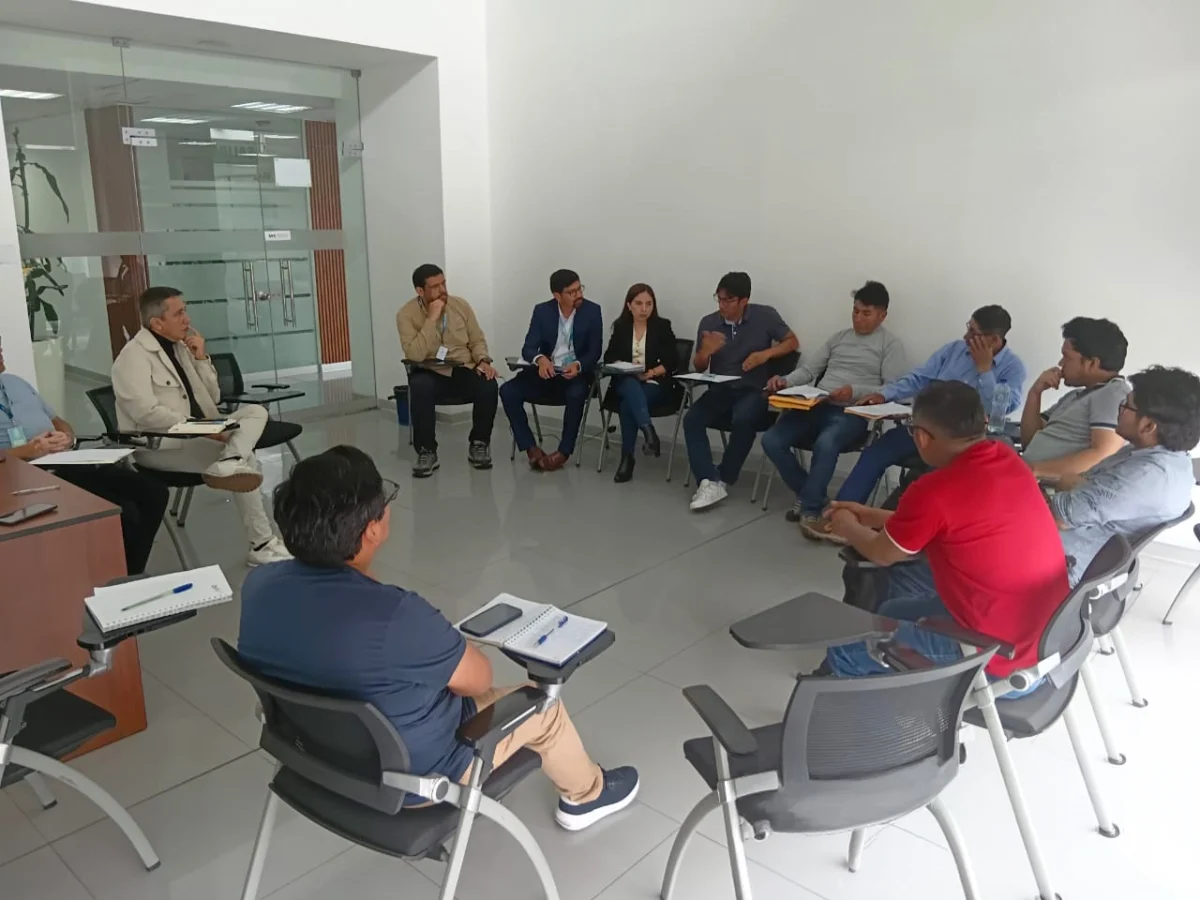
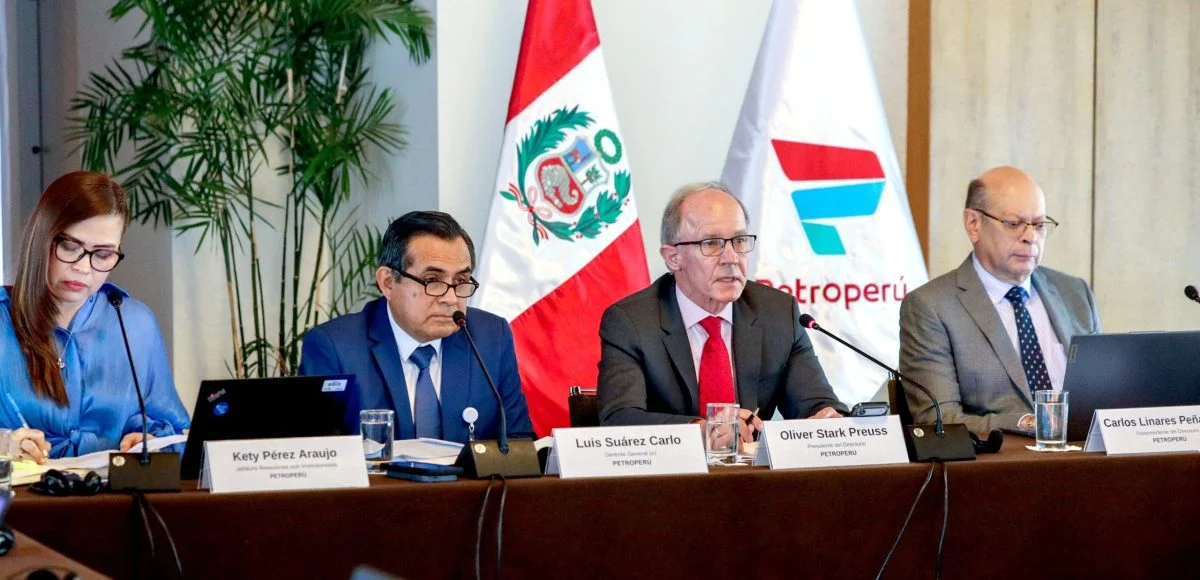
In a pivotal move to restore market confidence and secure its long-term viability, Petroperú held its highly anticipated earnings call for the second quarter of 2026. The session, which convened a diverse group of stakeholders—including global investors, major creditors, financial analysts, and representatives from ProInversión—marked a significant milestone in the state-owned oil company’s ongoing efforts to overhaul its corporate structure.
Leading the session, Oliver Stark, President of the Board of Directors, was joined by Vice President Carlos Linares and General Manager Luis Suárez. The gathering served as a critical platform to unveil the company’s "Roadmap for Transformation," a strategic framework designed to instill fiscal discipline, optimize operational output, and elevate the company’s governance standards to align with international benchmarks.
Chronology of Transformation: From Crisis to Reform
The path to this moment has been paved by a series of legislative and administrative interventions intended to steer Petroperú away from historical fiscal instability.
- 2025 – The Legislative Catalyst: The issuance of Decreto de Urgencia N.º 010-2025 established the foundational parameters for the company’s structural reorganization. It mandated a departure from traditional management models, favoring a lean, performance-based approach.
- Early 2026 – Deepening the Reform: The subsequent Decreto de Urgencia N.º 003-2026 further solidified these mandates, providing the legal framework for closer collaboration with external entities like ProInversión to ensure that financial decisions are subjected to rigorous oversight.
- Q2 2026 – The Disclosure Phase: The recent conference call represents the culmination of these regulatory pressures, signaling a shift toward a culture of radical transparency. By engaging directly with the market, the current Board of Directors is attempting to bridge the credibility gap that has historically hampered Petroperú’s relationship with international credit markets.
Supporting Data and Operational Insights
During the presentation, the leadership team provided a granular view of the company’s operational status. The focus was split between the technical realities of refining and production and the financial hurdles that continue to characterize the company’s balance sheet.
The Refining Landscape
Petroperú highlighted the ongoing optimization of its refining capacity. Despite significant external volatility, the company aims to stabilize throughput levels at its primary assets. The management team emphasized that the focus is no longer on mere output, but on "margin-centric production"—prioritizing products that yield the highest return in the current market climate.
Financial Health and Fiscal Discipline
The financial reporting segment underscored a transition toward rigorous expense management. Executives highlighted that the company is no longer relying on stop-gap funding measures but is instead working toward:

- Debt Management: Restructuring long-term obligations to better align with projected cash flows.
- Cost Efficiency: Implementing strict controls over procurement and operational overheads to reduce waste.
- Governance Controls: Introducing new layers of internal oversight to ensure that every dollar spent is traceable and tied to a specific value-generation goal.
Official Responses: A Commitment to "Predictability"
In his address, Oliver Stark, President of the Board, articulated a clear vision for the company’s future. His remarks were carefully calculated to appeal to institutional investors who have long sought evidence of institutional maturity.
"Our purpose is to evolve into a more solid, predictable, and sustainable entity," Stark stated. "We are laser-focused on strengthening management discipline and refining our decision-making processes. The market demands consistent, concrete signals, and we intend to provide them through measurable operational, financial, and corporate results."
Stark further emphasized that the Board’s strategy is not merely cosmetic. It involves a fundamental shift in how Petroperú relates to the Peruvian economy and its creditors. By committing to "verifiable information and accountability," the leadership is attempting to move away from the opacity that has, in the past, led to market skepticism.
Strategic Implications: The Role of ProInversión
A key highlight of the earnings call was the recurring mention of the partnership with ProInversión. This collaboration is instrumental in the current reorganization process. The involvement of an external agency serves as a "guarantor" of sorts, ensuring that Petroperú’s reorganization is not an insular effort but one guided by independent, expert scrutiny.
The implementation of new "structures of control" was specifically noted as a win for prospective investors. By integrating these structures, Petroperú is aiming to create a firewall between political pressure and commercial decision-making—a vital requirement for restoring the company’s investment-grade potential.
Future Outlook: Rebuilding Trust
The implications of this Q2 2026 meeting extend beyond the balance sheet. For the Peruvian energy sector, Petroperú remains a critical pillar of energy security. However, its historical reliance on state support has made it a liability in the eyes of many.

The current management’s push for transparency is, therefore, a survival strategy. If successful, this process could lead to:
- Access to Capital Markets: Improved credit ratings, allowing the company to borrow at more favorable rates without relying solely on state guarantees.
- Operational Resilience: A more agile organization capable of responding to global energy shifts, such as the transition toward cleaner fuels.
- Stakeholder Trust: A renewed relationship with the Peruvian public and international investors, built on the promise that the company will no longer be a drain on the national treasury.
Conclusion: A New Standard for Petroperú
As the meeting concluded, the message from the Board was unified: Petroperú is entering a new phase of its history. The commitment to a permanent, transparent dialogue with the market is intended to replace the uncertainty of the past with a structured, data-driven future.
While the challenges—ranging from legacy debt to the complexities of modernizing aging infrastructure—remain significant, the adoption of rigorous corporate governance and the active pursuit of accountability suggest that the current leadership is taking the necessary steps to secure the company’s place in a competitive global energy market.
The road ahead will undoubtedly be scrutinized by analysts and creditors alike. However, by embracing the standards of the international financial community, Petroperú has signaled that it is no longer content to operate in the shadows. The Q2 2026 earnings call was not just a report on numbers; it was a manifesto for a leaner, more disciplined, and ultimately more sustainable future for one of Peru’s most vital corporate entities.
Report authored by the editorial team at ProActivo, focusing on energy sector developments and corporate governance updates in the Latin American market.