Overview: A Humanitarian Crisis of Unprecedented Scale
In a display of international solidarity, the Peruvian government, through the Ministry of Foreign Affairs, has formally expressed its deepest condolences and support to the peoples and governments of China and Nepal. This gesture follows a catastrophic natural disaster that has left a trail of death, displacement, and widespread destruction along the border regions of the two nations.
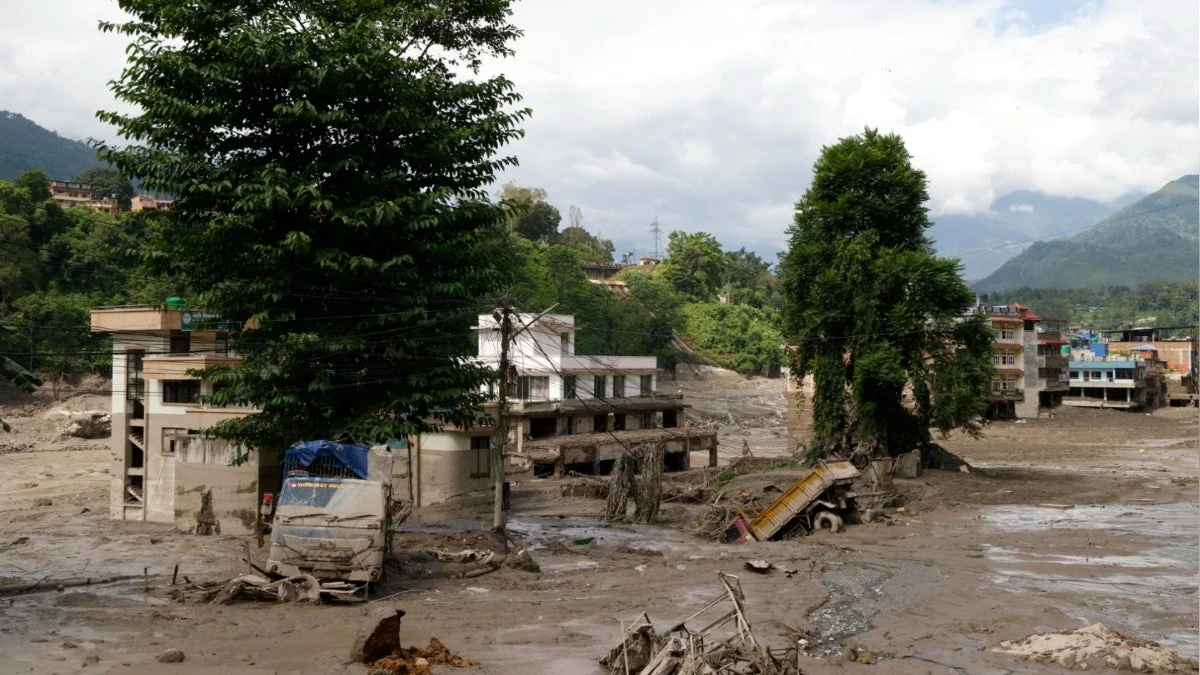
Violent flash floods and massive landslides, triggered by extreme weather conditions in the high-altitude terrain of the Himalayas, have decimated infrastructure, severed transportation lifelines, and resulted in a staggering loss of life. While rescue operations remain underway, the scale of the tragedy continues to evolve, with hundreds of individuals currently reported as missing, including tourists, local residents, and critical infrastructure workers.
The Peruvian government has confirmed that, as of the latest diplomatic reports, no Peruvian citizens have been identified among the casualties or the missing in the affected areas. Nevertheless, the Ministry of Foreign Affairs remains on high alert, maintaining open channels of communication through its diplomatic missions to ensure the safety of any nationals who may be traveling in the region.
Chronology of the Catastrophe
The disaster unfolded with terrifying speed, catching local communities and international trekking groups largely off-guard.
The Onset of the Deluge
The crisis began when torrential rainfall caused the Bhote Koshi River and its tributaries to breach their banks. The sudden influx of water, combined with unstable mountain soil, triggered a series of massive, high-velocity landslides. These mudslides did not merely flood residential areas; they acted as blunt-force instruments of destruction, obliterating bridges, burying sections of major highways, and compromising the structural integrity of several hydroelectric power projects that dot the rugged Himalayan landscape.
Immediate Impact and Escalation
Within hours of the initial surge, reports began filtering out from remote districts. By the second day of the disaster, the full extent of the damage became apparent. Communication lines were severed as cell towers and power grids collapsed. Search and rescue operations were launched immediately by local authorities, yet they were hampered by blocked roads and continuous hazardous weather conditions.
Current Status of Recovery
As of the latest reports, the search efforts have shifted into a critical phase. Emergency response teams, bolstered by military personnel and specialized rescue units, are navigating the debris-filled landscape. The focus remains on clearing access routes to isolated villages and identifying those buried under the vast amounts of mud and rock. Despite the heroic efforts of responders, the complexity of the terrain and the sheer volume of material displaced by the landslides mean that recovery efforts are expected to continue for weeks.
Supporting Data: The Human and Material Toll
The numbers emerging from the disaster zone provide a sobering snapshot of the scale of the destruction. As of the most recent official tallies, the death toll has climbed to at least 160, with the vast majority of victims located on the Nepalese side of the border.
Breakdown of Fatalities and Missing
- Nepal: Official police reports indicate the recovery of 157 bodies. The identification process is slow and painstaking, given the remote nature of the terrain and the condition of the victims.
- China (Tibet): Authorities in the Gyirong county of Tibet have confirmed three fatalities thus far, though this number is expected to rise as search operations penetrate deeper into the affected valleys.
- The Disappeared: The most harrowing figure concerns the missing. According to the National Disaster Risk Reduction and Management Authority (NDRRMA), the number of individuals without contact remains in the hundreds. This group includes a significant number of foreign tourists caught in the trekking season, local residents whose homes were swept away, and dozens of personnel working on hydroelectric projects who were on-site when the deluge struck.
Infrastructure Collapse
The economic and logistical impact of this disaster is profound. The destruction of hydroelectric infrastructure not only represents a massive financial loss but also exacerbates the energy crisis in the region, cutting power to thousands of homes. Furthermore, the loss of bridges and key roads has effectively isolated entire communities, forcing rescuers to rely on aerial support, which has been frequently grounded by the same inclement weather that caused the floods.
Official Responses and Diplomatic Coordination
The international community has reacted with swift concern. Peru’s Ministry of Foreign Affairs issued a formal statement on the X (formerly Twitter) platform, emphasizing the bond of solidarity between Peru and the affected nations.
"The Republic of Peru expresses its profound solidarity with the peoples and governments of the People’s Republic of China and the Federal Democratic Republic of Nepal in the face of the devastating floods and landslides," the Ministry stated.
The Peruvian government has made it clear that its primary concern is the welfare of its citizens. To that end, the Ministry has provided specific contact information for Peruvians who may be in the region:
- Embassy of Peru in China: +91 9818 342780 / [email protected]
- Embassy of Peru in India (concurrent to Nepal): +86 1300 1109 422 / [email protected]
The Peruvian government has also made formal offers of assistance, pledging its support for the search and rescue efforts and expressing its hope for a swift recovery of the impacted zones.
Implications: A Vulnerable Future
The catastrophe on the China-Nepal border is not an isolated event but rather a manifestation of a broader, systemic vulnerability in the Himalayan region. As global climate patterns shift, the frequency and intensity of extreme weather events in high-altitude mountain ranges are increasing.
The Climate Nexus
Experts have long warned that the melting of Himalayan glaciers, combined with unpredictable monsoon patterns, creates the perfect conditions for "glacial lake outburst floods" (GLOFs) and massive, wet-soil landslides. The recent tragedy highlights the urgent need for better early warning systems and more resilient infrastructure in these sensitive ecological zones.
Socio-Economic Consequences
For Nepal and the Tibet region, the economic fallout will be severe. Tourism—a vital pillar of the Nepalese economy—will likely face a period of contraction as travelers reassess the safety of mountain trekking in the wake of such a disaster. Additionally, the destruction of power projects is a major setback for the region’s energy independence and economic development goals.
The Necessity of Regional Cooperation
The fact that this disaster straddles an international border underscores the necessity of improved cross-border coordination. Disaster management cannot be effective if it is siloed by national boundaries. Future mitigation strategies must involve shared meteorological data, joint rapid-response protocols, and integrated infrastructure planning.
As the international community watches, the immediate focus remains on the survivors. The resilience of the people in the Himalayas is being tested like never before, and the global response, including the solidarity expressed by nations like Peru, serves as a crucial reminder of the interconnectedness of our world in the face of nature’s unpredictable power.
The recovery phase will be long, involving not just the physical rebuilding of roads and bridges, but the psychological and economic healing of communities that have lost so much. For now, the world waits for news of the missing, hoping for miracles in the mud, while acknowledging the tragic reality of a disaster that has left an indelible mark on the mountain landscape.