Executive Summary: A Paradigm Shift in Environmental Management
The Peruvian Ministry of Energy and Mines (MINEM) has taken a significant step toward harmonizing industrial development with the constitutional and international rights of indigenous peoples. Through the publication of the draft Ministerial Resolution N° 361-2026-MINEM/DM, the government is seeking to formalize the mandatory inclusion of information regarding indigenous or original peoples within the Environmental Management Instruments (IGA) for mining exploration projects.
This proposal represents a fundamental shift in how the state evaluates mining proposals. By requiring companies to disclose the presence of indigenous communities from the earliest planning phases, the MINEM aims to bridge the gap between environmental impact assessments and the social reality of the territories where mining operations are planned. This move is not merely a bureaucratic requirement; it is a structural adjustment designed to identify potential infringements on collective rights before they become points of conflict.
Chronology and Legislative Context
The path to this regulatory update has been shaped by years of evolving jurisprudence and international commitments.
- Foundational Framework: The cornerstone of this initiative is the International Labour Organization (ILO) Convention 169, ratified by Peru. This convention mandates that indigenous and tribal peoples be consulted whenever legislative or administrative measures are likely to affect them directly.
- The Regulatory Evolution: The current regulatory landscape for environmental management in mining is governed by a series of resolutions. Notably, Ministerial Resolution N° 108-2018-MEM/DM established the guidelines for exploration projects. This was subsequently updated by Ministerial Resolution N° 237-2024-MINEM/DM, which refined the technical requirements for the Declaration of Environmental Impact (DIA), the Semi-detailed Environmental Impact Study (EIAsd), and the Environmental Technical Report (FTA).
- The Current Milestone: With the publication of the draft resolution N° 361-2026-MINEM/DM, the General Directorate of Mining Environmental Affairs (DGAAM) has formally initiated the process of integrating social safeguards into the technical environmental documents that mining companies must submit to obtain their licenses.
Detailed Breakdown of the Affected Instruments
The proposal targets the three primary pillars of mining environmental oversight in Peru. To ensure that social considerations are not overlooked, the following instruments will now require detailed ethnographic and social presence disclosures:
1. Declaration of Environmental Impact (DIA)
Typically used for projects with low environmental risk, the DIA will now need to include a preliminary screening of the area of influence. If the screening identifies "reasonable indications" of indigenous presence, the company must provide a more detailed analysis of potential impacts on collective assets.
2. Semi-detailed Environmental Impact Study (EIAsd)
For projects with moderate environmental impact, the EIAsd is a comprehensive document. The new regulation mandates that this study move beyond physical and biological parameters to include a robust section on the socio-cultural landscape, specifically detailing the proximity of indigenous settlements and their traditional land use.
3. Environmental Technical Report (FTA)
The FTA, often used for minor modifications to existing projects, will also be subject to these new transparency requirements. This ensures that even small-scale changes to an existing mine are scrutinized for their potential to disrupt or alter the rights of neighboring communities.
The Logic Behind the Change: Why Now?
Historically, environmental assessments have focused heavily on technical aspects such as water quality, soil stability, and biodiversity. While these are critical, the social dimension—specifically the rights of indigenous peoples—was often treated as a secondary process, frequently separated from the technical environmental review.
The DGAAM, acting as the technical engine behind this initiative, argues that this separation is counterproductive. By isolating environmental and social assessments, the state risks approving projects that may face significant social opposition later. The proposed resolution aims to integrate these streams, ensuring that "the social dimension is treated as a core component of technical feasibility."
By mandating that companies identify the presence of indigenous groups early on, the Ministry creates a "preventive filter." If an indigenous population is identified, the Ministry can trigger the formal "Prior Consultation" process—a legal mechanism that ensures the state fulfills its duties under the ILO Convention 169—long before the company commits significant capital to the exploration phase.
Official Stance and Technical Rationale
The Ministry of Energy and Mines has emphasized that this is a proactive measure rather than a restrictive one. According to official communications from the DGAAM, the objective is to generate reliable data.
"The goal is not to stop investment, but to ensure that investment occurs in a framework of legal certainty," a spokesperson for the Ministry noted. "When a company knows from day one that they are in a territory with indigenous presence, they can plan their community relations strategy more effectively, reducing the likelihood of future social conflicts that could halt operations."
The legal argument is centered on the principle of the "Right to Prior Consultation." The MINEM contends that the content of the National System of Environmental Impact Assessment (SEIA) must be comprehensive. An assessment is considered incomplete if it fails to account for the potential violation of the rights of communities that hold ancestral ties to the project area.
Implications for the Mining Industry and Indigenous Communities
The implications of this proposal are far-reaching for stakeholders on both sides of the sector:
For Mining Companies:
- Enhanced Due Diligence: Companies will need to invest more in social baseline studies during the feasibility phase. This may increase upfront costs but will likely decrease the long-term risk of project suspension.
- Legal Security: By clearly defining the social context before the project is approved, companies obtain a clearer "social license" backed by a more rigorous administrative process.
For Indigenous Peoples:
- Greater Visibility: The requirement forces a formal recognition of their presence in project documents. It prevents companies from "overlooking" smaller or more remote communities during the planning phase.
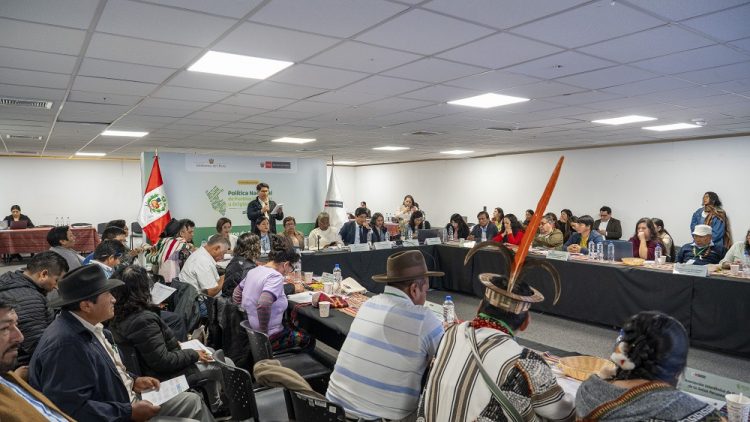
- Earlier Engagement: Indigenous communities will have the opportunity to understand the scope of a project and voice their concerns at the design stage, rather than when the machinery is already at their doorstep.
Call to Action: The Public Consultation Process
The success of this regulatory change depends on the input of all stakeholders. The Ministry of Energy and Mines has opened a 15-day window for public participation, encouraging input from civil society, indigenous organizations, mining companies, and academia.
How to Participate:
- Review the Proposal: Stakeholders are encouraged to access the full text of the draft resolution through the official MINEM website.
- Submit Observations: Feedback must be sent to the General Directorate of Mining Environmental Affairs (DGAAM).
- Modes of Submission:
- In-Person: Deliver documents to the MINEM headquarters at Avenida Las Artes Sur N° 260, San Borja, Lima.
- Digital: Send feedback via email to the official address provided by the ministry: [email protected].
The 15-day period is a critical opportunity for those concerned with the intersection of human rights and resource extraction to ensure that the final wording of the resolution is as robust and inclusive as possible.
Conclusion: A Step Toward Sustainable Development
The proposal to integrate indigenous rights data into mining environmental instruments is a reflection of the evolving global standards for the extractive industry. As the world demands greater transparency and social responsibility from mining companies, Peru’s move to codify these requirements into its environmental management system serves as a model for proactive governance.
By acknowledging that technical environmental impact cannot be separated from the human and cultural landscape, the Ministry of Energy and Mines is working to build a more stable, predictable, and respectful mining sector. Whether this regulation will lead to smoother operations or merely a more rigorous documentation process remains to be seen, but the intent is clear: the era of ignoring the social dimension in mining exploration is coming to an end.
The public now has the opportunity to weigh in on this critical policy. As the deadline for comments approaches, the focus remains on finding the right balance—ensuring that the economic potential of the mining sector is realized while upholding the sacred rights of those who have inhabited the land for generations.