CUSCO, PERU – A significant milestone in urban development is nearing fruition in the district of San Jerónimo. The comprehensive infrastructure project aimed at improving vehicular and pedestrian mobility in the Pata Pata Lircay Manzanapampa sector has officially reached a 90% physical progress rate. This initiative, spearheaded by the local municipal government, promises to radically alter the daily lives of over 500 families by providing modern, durable, and safe transit corridors.
For years, the residents of this area have grappled with the harsh realities of unpaved roads. During the dry season, the community was plagued by clouds of dust that posed health risks, while the rainy season transformed streets into quagmires of mud, effectively isolating parts of the neighborhood. With the project now in its final stages, these challenges are set to become a relic of the past.
Main Facts: A Project of Strategic Importance
The intervention focuses on the rehabilitation and modernization of key arterial streets, including Pachatusan and Rosales, alongside the vital pedestrian passages of Girasoles and Miraflores. The scope of the project is expansive, covering more than half a kilometer of road paving that integrates the sector into the broader urban fabric of San Jerónimo.
With a total investment exceeding S/ 1.8 million, the project is not merely about pouring concrete. It is a holistic approach to urban planning that encompasses:
- Structural Paving: High-durability concrete surfaces designed for both vehicular and pedestrian traffic.
- Sanitation Infrastructure: Full replacement and expansion of the main water supply and sewage networks, including modern home connections.
- Drainage Systems: Implementation of a robust pluvial drainage network to prevent flooding and surface erosion.
- Urban Integration: Beautification through the treatment of green areas and the systematic relocation of utility poles to clear sidewalks.
- Safety and Signage: Installation of comprehensive road signage to ensure orderly traffic flow and pedestrian safety.
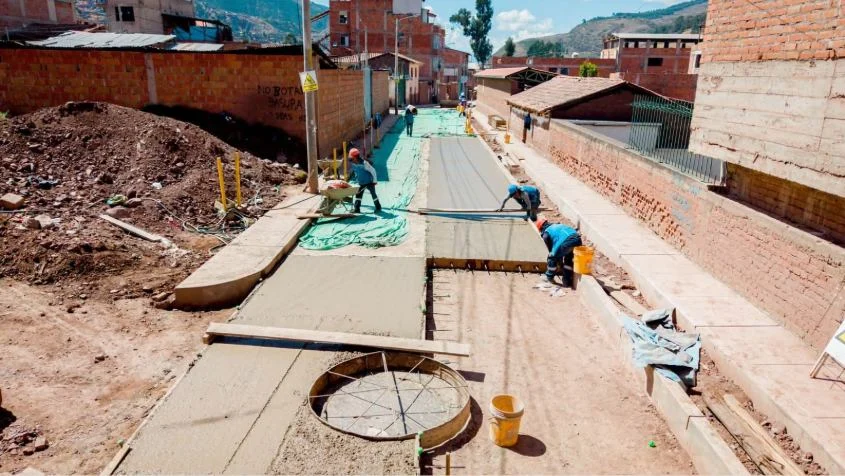
The project is currently in the finishing phase, with crews utilizing heavy machinery and specialized concrete mixers to complete the final stretches of sidewalks and roadways.
Chronology of Development
The journey toward this transformation has been characterized by systematic planning and rigorous execution.

Phase 1: Planning and Groundwork (Early 2026)
The municipality initiated the project by conducting detailed soil studies and hydraulic assessments to ensure the longevity of the infrastructure. This phase was crucial for determining the necessary capacity for water and sewage systems to support the growing population of Pata Pata.
Phase 2: Sub-surface Infrastructure (Mid-2026)
The most intensive part of the project involved the installation of the underground network. This phase saw the successful completion of the water and sewage mainlines, as well as the intricate work of connecting individual households. This was followed by comprehensive movement of earth to prepare the sub-base for the road surface.
Phase 3: Structural Execution (Q3 2026)
By mid-August 2026, the project entered its most visible phase: the pouring of concrete. This stage required precise coordination to ensure that the structural integrity of the roads met municipal engineering standards. As of late August, this work reached 90% completion.
Phase 4: Projected Completion (Late September 2026)
The final month is dedicated to the installation of road markings, the finishing touches on green areas, and the final inspection by the municipal Gerencia de Infraestructura to ensure compliance with all technical specifications.
Official Perspectives and Leadership
During a recent site visit, the Mayor of San Jerónimo, Máximo Rimachi Morales, expressed his satisfaction with the project’s progress. "Our commitment to the people of Pata Pata was clear from the start," Mayor Rimachi noted during his inspection. "We are not just laying concrete; we are bridging the gap between the periphery and the center, ensuring that every citizen in this district has the same quality of access and dignity in their daily transit."
The Mayor highlighted that the efficiency of the work is largely due to the seamless collaboration between the Municipal Gerencia de Infraestructura and the local contractors. By adhering to a strict timeline, the administration aims to minimize the inconvenience to residents while maximizing the public utility of the space.

The project serves as a cornerstone of the administration’s "Urban Mobility Plan," which seeks to prioritize high-impact infrastructure in sectors that have historically been overlooked in municipal budget allocations.
Supporting Data and Technical Impact
The significance of this work extends beyond the immediate streets. The Pata Pata sector acts as a vital conduit for the district. By connecting these streets to the major avenues of Manco Cápac and Perú, the project creates a secondary traffic corridor that alleviates pressure on the main town centers.
Furthermore, the project serves as a strategic link to the communities of Collana Chahuancoscco and Kallampata. By smoothing the transition between these rural-urban interfaces, the municipality is facilitating better access to public services, schools, and health centers for residents of the neighboring mountain communities.
Economic Impact:
- Job Creation: The project has served as a catalyst for local employment, providing income for over 30 residents of the area. Notably, the project has championed an inclusive hiring policy, integrating women, men, and persons with disabilities into the workforce.
- Property Value: Local urban planners anticipate a significant increase in property values within the affected sector, as accessibility and basic services are primary indicators for residential development.
- Public Health: By eliminating exposed soil and installing proper drainage, the project significantly reduces the prevalence of respiratory issues caused by dust and waterborne diseases common in areas with inadequate sewage disposal.
Implications: A Model for Future Urban Development
The Pata Pata project is a testament to the potential of targeted municipal investment. By focusing on the "last mile" of infrastructure—the residential streets that form the backbone of the community—the San Jerónimo municipality is setting a standard for other districts in the Cusco region.
The implications for the local community are long-term. With the installation of durable paving, maintenance costs for the municipality will decrease over the coming decade. Furthermore, the inclusion of proper pluvial drainage means that the city is better prepared for the increasingly unpredictable climate patterns that have previously wreaked havoc on unpaved highland roads.

As the project approaches its 100% completion mark, the focus will shift toward the long-term maintenance and protection of these assets. The administration has indicated that they will work closely with local neighborhood associations to ensure that the new infrastructure is respected and maintained, fostering a sense of civic ownership.
Looking Ahead
As September draws to a close, the residents of Pata Pata await the official inauguration of the streets. For the 500 families who have lived through the noise and disruption of construction, the promise of clean, paved, and fully-serviced streets represents a new chapter of development. This project is not merely an engineering success; it is a vital step toward the social and economic integration of the diverse communities that make up the district of San Jerónimo.
In the broader context of the Cusco region, the successful execution of this project serves as a model of how local government can effectively utilize limited resources to create widespread, high-impact improvements in the quality of life for its citizens. As the machinery prepares to depart and the final signage is installed, the residents of Pata Pata can look forward to a season—and a future—defined by connectivity rather than isolation.