The Peruvian housing landscape is undergoing a profound structural transformation. For decades, the engine of the national real estate market was concentrated almost exclusively within the metropolitan borders of Lima and Callao. However, recent data released by the Ministry of Housing, Construction, and Sanitation (MVCS), through the Fondo Mivivienda (FMV), reveals a paradigm shift: the era of real estate decentralization has arrived.
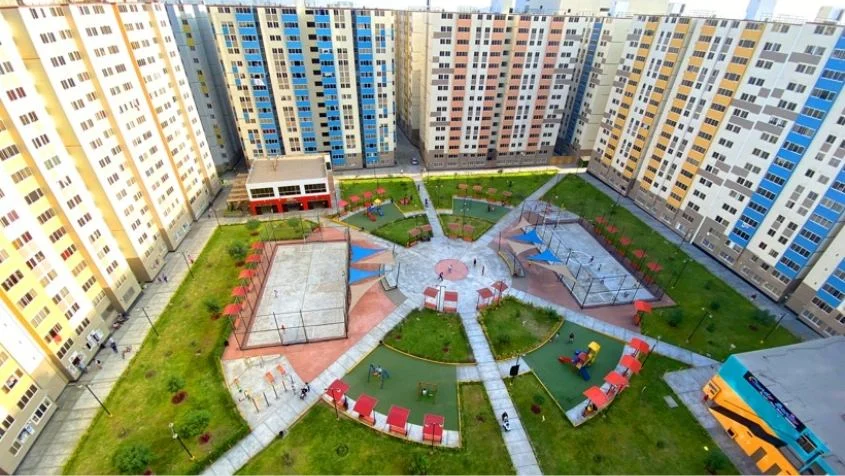
With nearly 66,000 Social Interest Housing (VIS) units currently available across the country, the data underscores a strategic pivot toward the regions. Today, 80% of all available social housing stock is located outside the capital, marking a significant milestone in the government’s efforts to provide equitable access to formal housing for families across the nation.
Main Facts: A Shift in Geographic Distribution
The latest report from the Fondo Mivivienda paints a clear picture of a nation expanding its urban horizons. Out of the total inventory of approximately 65,974 social housing units, a staggering 52,766 are located in provinces outside the Lima-Callao metropolitan area. In contrast, the capital and the first port city hold 13,208 alternatives.
This distribution is not merely a statistical anomaly; it is the result of deliberate policy efforts to formalize the construction sector and provide citizens with dwellings that are not only affordable but also fully equipped with essential basic services and urban infrastructure. The "Social Interest Housing" (VIS) designation ensures that these developments meet specific quality standards, fostering environments conducive to the socio-economic progress of Peruvian families.

The top-performing regions leading this charge include:
- La Libertad: 14,974 units
- Lima & Callao: 13,208 units
- Piura: 10,142 units
- Lambayeque: 10,107 units
- Ica: 8,601 units
Beyond these leaders, significant inventory has emerged in regions such as San Martín, Áncash, Arequipa, Tacna, Junín, Cusco, and Apurímac, illustrating a widespread national commitment to closing the housing gap.
Chronology: The Evolution of Housing Policy in Peru
To understand the magnitude of this shift, one must look at the evolution of Peru’s housing policy over the last two decades.
- Early 2000s: The establishment of the Fondo Mivivienda was a response to the massive housing deficit. During this phase, the primary focus was on establishing financial instruments, such as the Crédito Mivivienda (CMV), to make mortgage loans accessible to the middle class.
- 2010–2015: The government expanded the "Techo Propio" (TP) program, targeting lower-income families. During these years, the majority of the supply remained heavily concentrated in the Lima periphery, where developers could capitalize on economies of scale.
- 2016–2020: Recognizing the risks of over-concentration, the Ministry began offering incentives for developers to build in secondary cities. Infrastructure projects in the north and central highlands began to attract real estate investment.
- 2021–2024: The post-pandemic period accelerated the need for "decentralized living." Remote work trends and the saturation of the Lima market drove developers to seek land in regions like La Libertad and Piura, where population growth is robust.
- 2025–2026 (Current Status): The market has hit a tipping point. The current report marks the first time that regional inventory has so thoroughly eclipsed the capital’s stock, signaling that the national real estate strategy is successfully diversifying.
Supporting Data: Dissecting the Capital’s Market
Despite the focus on the regions, Lima and Callao remain critical hubs for the construction sector. Of the 13,208 units available in the capital, 11,133 qualify specifically for the Crédito Mivivienda.

The distribution within the metropolitan area is equally revealing of current urban migration patterns. Districts like San Miguel lead with 1,637 units, followed by the Cercado de Lima (1,430), Comas (1,271), Chorrillos (879), San Martín de Porres (810), and the Callao province (635). This demonstrates that while the city is becoming more expensive, developers are still finding ways to provide social housing in high-demand, well-connected districts.
The financial mechanisms supporting these acquisitions remain the primary driver for both developers and buyers:
- The Good Payer Bonus (BBP): This subsidy remains a cornerstone of the Mivivienda credit, with values reaching up to S/37,900 for properties that incorporate eco-friendly features and the supplementary "Integrator Bonus."
- Techo Propio (BFH): This remains the lifeline for the most vulnerable. With subsidies reaching up to S/47,850, it continues to lower the barrier to entry for first-time homeowners in new, registered housing complexes.
Official Responses and Strategic Implications
The Ministry of Housing, Construction, and Sanitation has stated that this decentralization is a key pillar of their mission to improve the quality of life for all Peruvians. By incentivizing construction in the provinces, the government is not only addressing the housing deficit but also stimulating regional economies.
Economic and Social Implications
The implications of this shift are multi-faceted:

- Regional Economic Growth: The construction industry is a major job creator. By shifting focus to provinces like La Libertad and Piura, the government is ensuring that job opportunities in architecture, engineering, and manual labor are created outside of the capital.
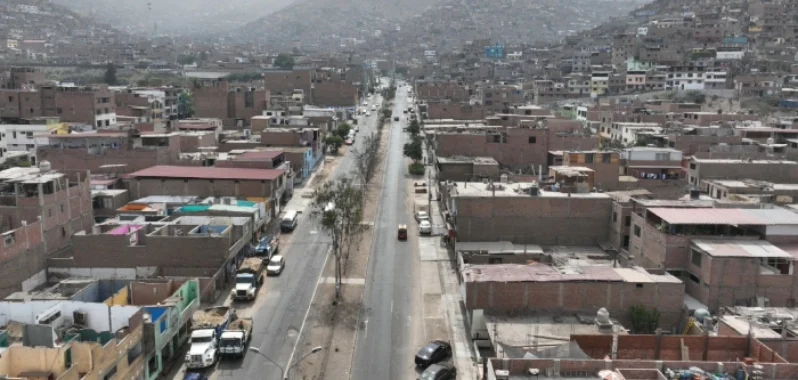
- Urban Order: By promoting formal housing, the state is effectively competing against the informal, hazardous, and often illegal land occupations that have historically plagued Peru’s urban periphery. Formal housing provides legal security, proper sanitation, and access to public services.
- Environmental Sustainability: The push for "eco-friendly" construction—linked to the higher tiers of the Good Payer Bonus—is forcing the industry to adopt better building practices, such as water recycling and energy-efficient designs.
- Market Equilibrium: For years, Lima’s real estate prices were artificially inflated due to high demand and limited land supply. By diversifying the market, the government is helping to stabilize prices, making it easier for younger generations to enter the property market in their hometowns rather than being forced to migrate to Lima.
Looking Ahead: The Future of Peruvian Housing
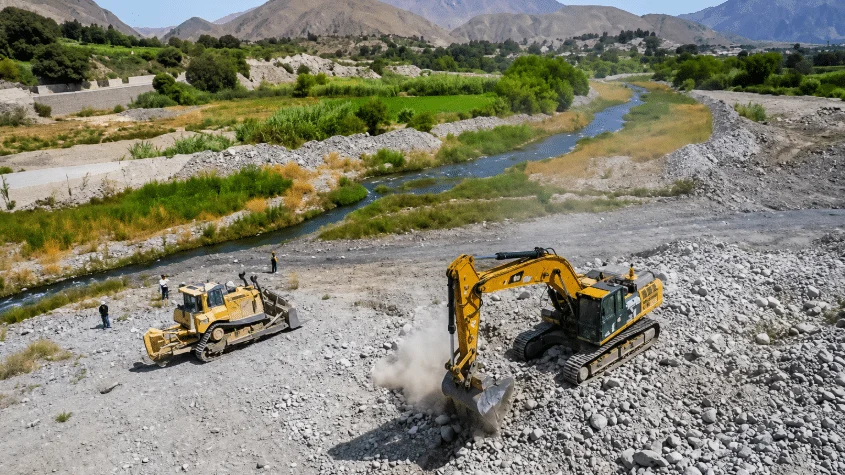
The transition to a decentralized market is not without its challenges. Developers in the regions often face hurdles related to basic infrastructure, such as water and sewage connection, as well as the need for better road connectivity.
However, the current statistics provide a clear signal to the private sector: the provinces are open for business. Investors and construction firms that pivot to these emerging markets are likely to find a receptive base of families eager for stable, modern housing.
As Peru moves further into the second half of the decade, the focus will likely shift from simply "building units" to "building cities." This means ensuring that these 66,000 housing units are supported by schools, health centers, and commercial zones. The Ministry’s recent report is more than just a list of numbers; it is a blueprint for a more balanced, prosperous, and decentralized Peru.
With the right balance of state subsidies, private sector innovation, and local government support, the dream of homeownership is becoming a reality for thousands of families far beyond the limits of the capital. This shift marks the dawn of a new era, where the strength of the Peruvian economy is measured not by the density of its capital, but by the vitality of its regional urban centers.