Introduction
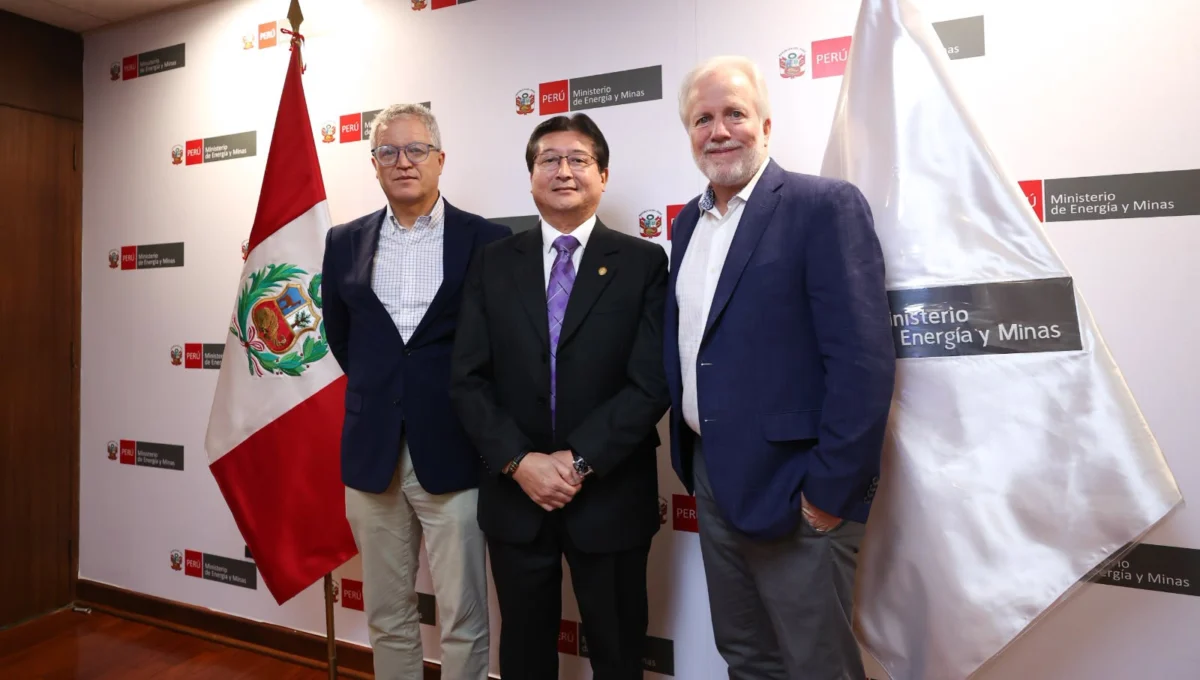
In a pivotal move to revitalize Peru’s mineral sector, the Minister of Energy and Mines, Guillermo Shinno, recently convened with the top leadership of Regulus Resources, a prominent Canadian exploration firm. The meeting, held at the Ministry’s headquarters in Lima, signals a concerted effort by the current administration to foster a collaborative environment for foreign investment. As Peru navigates the complexities of global commodity market fluctuations and the urgent need for local economic development, the dialogue between the Ministry and companies like Regulus Resources serves as a barometer for the nation’s mining policy trajectory.
With a focus on streamlining administrative procedures and promoting sustainable exploration, the government is looking to unlock the vast potential of the Andean nation’s mineral wealth, particularly in the northern regions where copper and gold deposits remain highly coveted.
The Players: A High-Level Meeting for Strategic Growth
The meeting featured key figures who are instrumental to the future of the Peruvian mining landscape. Representing the government was Minister Guillermo Shinno, an experienced technocrat and former Vice Minister of Mines whose intimate knowledge of the industry’s "bottlenecks" makes him a critical figure in the current administration.
On the other side of the table were John Black, CEO of Regulus Resources, and Fernando Pickmann, the company’s Executive President for the region. The meeting was characterized by a shared objective: to align the operational goals of Regulus with the government’s broader economic mandate. For Regulus, the conversation was an opportunity to highlight the progress of their flagship asset, the AntaKori project, while for the Ministry, it was a chance to reiterate its commitment to regulatory efficiency.
The AntaKori Project: A Case Study in Strategic Synergy
Central to the discussions was the AntaKori copper-gold project in Cajamarca. Regulus Resources has been aggressively pursuing exploration and drilling programs to better define the geological scope of this world-class deposit.
Recent Operational Milestones
Regulus has recently recommenced drilling activities, with a primary focus on the "Anta Norte" sector. To accelerate data collection, the company is preparing to mobilize a second drill rig to the site. This ramp-up in activity is indicative of the company’s confidence in the geological potential of the area.
Geological Data and Potential
AntaKori is widely regarded as one of the most promising undeveloped assets in the region. According to current estimates, the project holds:

- Indicated Resources: 250 million tonnes with a grade of 0.48% copper, 0.29 g/t gold, and 7.5 g/t silver.
- Inferred Resources: 267 million tonnes at a grade of 0.41% copper.
The recent evolution of the project, however, lies in its collaborative nature. In June, Regulus Resources and Compañía Minera Coimolache (a subsidiary of the renowned Grupo Buenaventura) finalized an integrated mineral resource estimate. This study is unique because it evaluates the geological potential of the combined landholdings without regard to the artificial boundaries of individual concessions. By utilizing a third-party independent assessment, both companies have gained a clearer picture of the scale and economic viability of the integrated deposit, paving the way for more efficient development.
Chronology of Reform: A New Direction for MINEM
Minister Guillermo Shinno, having been in his post for just over a month, has wasted no time in articulating his vision for the Ministry of Energy and Mines (MINEM). His tenure represents a pivot toward pragmatic governance.
- Month 1: Focus on internal audits and identifying administrative inefficiencies that delay permitting.
- The GESS 2026 Announcement: Shinno made headlines at the GESS 2026 summit, where he laid out an ambitious target of unlocking $40 billion in mining projects over the next five years. This represents a significant portion of the total $64 billion national mining portfolio.
- The 2025–2028 Roadmap: The government has established a clear roadmap to facilitate over $11.9 billion in investments between 2025 and 2028.
Shinno’s approach is rooted in his background as an industry insider. He understands that for investors, the primary deterrent in Peru has not been a lack of geological endowment, but rather the complexity of the permitting process and the uncertainty surrounding community relations.
Supporting Data: The Economic Imperative
The stakes for the Peruvian economy are significant. The mining sector remains the backbone of the country’s GDP, and the current administration is acutely aware that the "mining boom" must be sustained through the development of new projects.
Investment Targets
The $64 billion mining portfolio represents a diverse array of projects ranging from brownfield expansions to greenfield discoveries. The target of $40 billion in realized investment over the next five years is an ambitious benchmark, requiring:
- Regulatory Simplification: Reducing the "red tape" involved in environmental impact assessments (EIA) and social license acquisition.
- Infrastructure Support: Ensuring that energy and transportation corridors are capable of supporting the logistical demands of large-scale operations.
- Fiscal Stability: Maintaining a predictable tax and royalty regime that encourages long-term capital commitment.
Official Responses and Policy Shifts
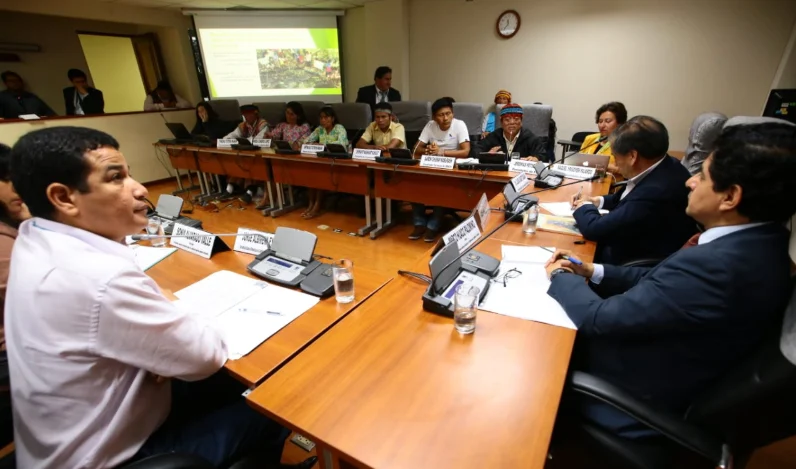
Minister Shinno has been vocal about his desire to change the "reactive" nature of the Ministry. Historically, MINEM has been criticized for intervening in mining conflicts only after they reach a boiling point. Shinno’s new strategy focuses on "preventive territorial governance."
"The growth of the sector cannot be measured solely by macroeconomic figures," Shinno stated during the meeting. "We must ensure that the impact of these projects is felt positively within the communities that host them."

This shift in philosophy is welcomed by mining executives. By engaging with companies early in the exploration phase—as seen in the meeting with Regulus—the government aims to act as a facilitator rather than a hurdle. This collaborative framework is designed to ensure that social considerations are integrated into the project planning phase, reducing the likelihood of future protests or legal challenges.
Implications: The Future of Peruvian Mining
The meeting between Regulus Resources and MINEM is a microcosm of the broader challenges and opportunities facing the Peruvian mining sector.
For the Investor
For Canadian firms and other international investors, the signal is clear: the Peruvian government is open for business and is actively seeking to improve the investment climate. However, success will depend on the government’s ability to turn rhetoric into reality regarding administrative simplification.
For the Community
The focus on "preventive territorial governance" is a major step forward. If the Ministry can successfully implement a model where communities are seen as partners in the mining value chain, the result will be more stable, long-term operations. This is essential for companies like Regulus, which require a stable social environment to conduct multi-year exploration programs.
For the Global Market
As the world transitions to a green economy, the demand for copper—a key component in electric vehicles and renewable energy infrastructure—is expected to skyrocket. Peru, as one of the world’s largest copper producers, is strategically positioned to benefit. The success of projects like AntaKori, backed by the collaboration between the state and private enterprise, will be essential in meeting this global demand.
Conclusion
The dialogue between Minister Guillermo Shinno and the leadership of Regulus Resources represents a positive step toward securing Peru’s position as a premier global mining destination. By combining the technical expertise of private exploration companies with a renewed, proactive government policy, Peru is setting the stage for a new era of responsible and efficient mining development.
The path forward will not be without challenges; navigating the complex social and regulatory landscape of the Andes requires patience and foresight. However, with clear goals, improved administrative processes, and a commitment to shared value, the potential for projects like AntaKori—and the Peruvian mining sector at large—remains immense. As the government moves from the planning phase to execution, the eyes of the global mining industry will remain firmly fixed on Lima, watching to see if these promises of reform can truly translate into a new generation of successful, sustainable mining operations.