The global push toward decarbonization and the modernization of power grids is often framed through the lens of massive infrastructure projects: wind farms, solar parks, and high-voltage transmission lines. However, a silent, critical bottleneck is emerging in Peru’s path toward a sustainable future: the widening gap in human capital. As the nation pivots toward a more diversified and digitized energy matrix, the demand for highly skilled technical professionals—the "boots on the ground" who operate the machinery of the future—has reached a critical juncture.
Main Facts: The New Demands of the Electrical Sector
The energy transition is not merely an engineering challenge; it is an educational one. In Peru, the shift toward Renewable Non-Conventional Energy (RNCE) and the digitalization of the grid are fundamentally altering the profile of the ideal worker.
According to the 2025 ranking by the Ministry of Labor and Employment Promotion (MTPE) through its "Mi Carrera" platform, the labor market is already signaling a clear preference for specialized technical expertise. "Electricity and Energy" has emerged as a top-tier field with a projected demand of 1,553 new positions. Closely following this is "Electronics and Automation," with 974 projected vacancies. These figures are not just numbers; they represent the essential workforce required to maintain, monitor, and optimize the increasingly complex electrical systems that power the country’s industrial, mining, and residential sectors.
Chronology of an Evolving Energy Landscape
To understand why this demand has spiked, one must look at the recent trajectory of Peru’s energy sector:
- 2023-2024: Increased government emphasis on the decentralization of energy sources and the integration of smart-grid technologies.
- February 2026: A milestone month for the sector, as national electrical production reached 5,314 GWh, marking a 2.8% year-on-year growth. Crucially, non-conventional renewables (solar, wind, biomass, and biogas) accounted for 457 GWh—nearly 9% of the national total.
- 2025-2034: The Ministry of Energy and Mines (MINEM) unveiled its ambitious Transmission Plan, which incorporates 19 major projects to fortify the National Interconnected Electrical System (SEIN). This plan is designed not only to accommodate rising demand but to ensure the grid’s resilience in the face of variable renewable energy sources.
This chronology illustrates a rapid acceleration from traditional, centralized power generation to a dynamic, multi-source, and data-driven ecosystem. Each step in this progression demands a higher degree of technical literacy from the workforce.
Supporting Data: Bridging the Skills Gap
The shift toward efficiency is driven by data. Modern industrial operations—from large-scale mining to the management of "smart" critical infrastructure—now rely on real-time monitoring and predictive maintenance.

The necessity for specialized training is backed by the current state of technical education in Peru. With 343 Public Higher Technological Education Institutes under the umbrella of the Ministry of Education, the country has a significant infrastructure for training. However, the challenge lies in aligning the curriculum of these institutions with the rapid technological advancements being implemented by industry leaders.
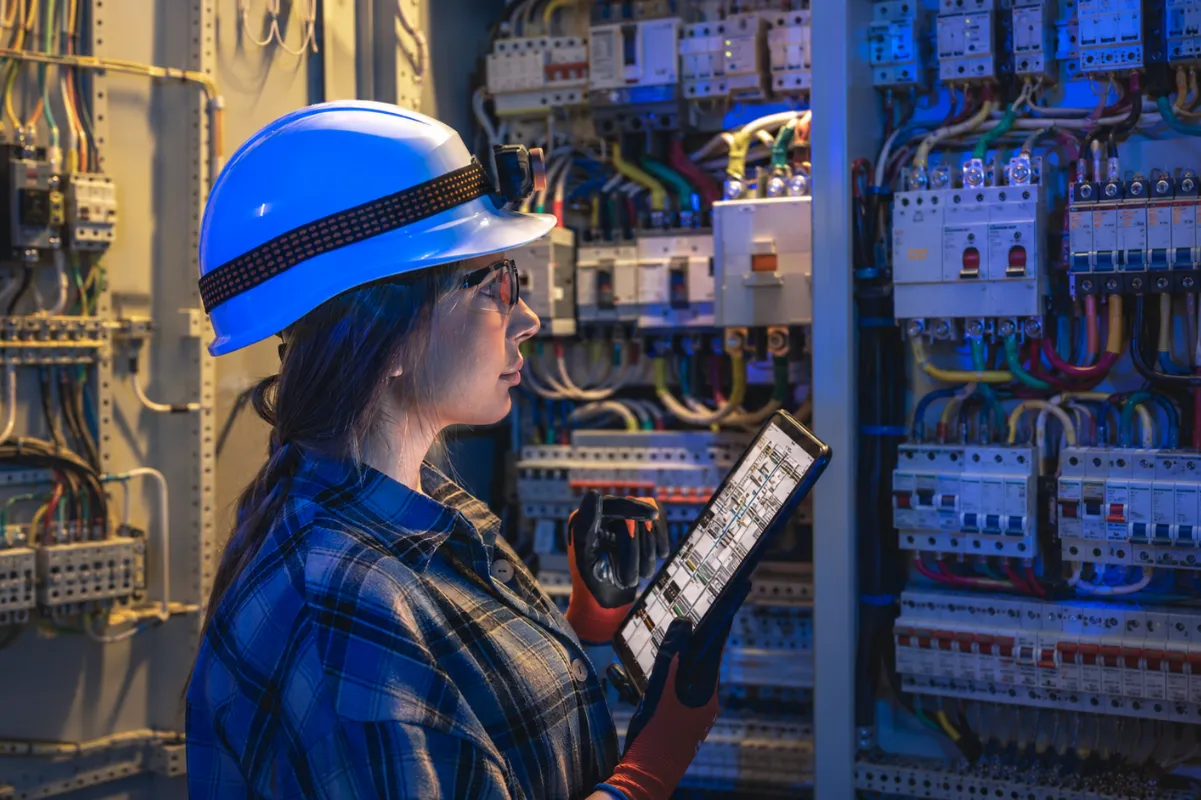
The "efficiency gap" is real. Companies are no longer just looking for electricians; they are looking for "energy technicians" who understand digital interfaces, IoT (Internet of Things) integration, and data analytics. As the grid becomes more automated, the ability to interpret a digital diagnostic report is becoming as important as the ability to handle high-voltage hardware.
Official Perspectives: The Schneider Electric View
César De Armero Dubois, Country Manager for Peru and Bolivia at Schneider Electric, emphasizes that technology is only as effective as the hands that operate it.
"When we speak of energy transition, we often visualize solar panels or wind turbines," says De Armero Dubois. "But behind that lies the urgent need for technicians who can install, monitor, automate, and maintain the systems that make this transformation functional. Without prepared talent, technology alone cannot guarantee continuity, productivity, or sustainability."
De Armero Dubois notes that the industry is undergoing a paradigm shift. "Today, companies require professionals who possess a dual competency: they must understand the nuances of electrical operations while being proficient in the digital tools that drive efficiency. A well-trained technician is now a frontline defender of operational continuity—someone who can identify unnecessary consumption, respond instantly to faults, and operate complex automated systems in environments where any downtime results in significant economic loss."
Implications: Building a Resilient Future
The implications of failing to bridge the skills gap are substantial. If the workforce does not evolve at the same pace as the infrastructure, Peru risks stalling its energy transition, leading to higher operational costs, grid instability, and a slower adoption of sustainable practices in critical sectors like mining and manufacturing.

The Role of Industry-Education Collaboration
The solution lies in a tripartite synergy between the state, the private sector, and academic institutions.
- Curriculum Modernization: Educational institutes must incorporate subjects like smart grid management, renewable energy systems maintenance, and industrial cybersecurity into their core programs.
- Corporate-Educational Partnerships: Companies like Schneider Electric and other energy leaders must provide internships, training equipment, and industry mentorships to bridge the gap between classroom theory and field practice.
- Incentivizing Vocational Paths: The perception of technical careers must be elevated. By positioning these roles as "the architects of the green economy," the state can attract a new generation of talent that views technical training not as a secondary option, but as a prestigious career path.
A Holistic Approach to Sustainability
The transition to a cleaner energy matrix is a multi-decade project. It requires the physical installation of hardware, the legislative support for investment, and, perhaps most importantly, the development of the human capital required to run these systems for the next thirty years.
As Peru looks toward the next decade, the "energy transition" must be viewed through a broader lens. It is not just about changing the source of the electrons; it is about cultivating a workforce capable of managing a digital, automated, and sustainable energy future. The 1,553 projected positions in electricity and energy are just the beginning. The nation that manages to train its youth to bridge the gap between the physical and the digital will be the nation that leads the regional energy market.
In conclusion, forming technical talent is not merely a response to labor market demand; it is a fundamental requirement for national resilience. Whether it is a smart building in Lima, a high-altitude mining operation in the Andes, or a critical hospital grid, the success of the energy transition hinges on the skill, knowledge, and adaptability of the Peruvian technical workforce. The future is electric, but it must be built by people who know how to keep it running.