By Editorial Staff
The tenure of the Peruvian National Police (PNP) leadership, particularly that of Commander General Óscar Arriola, has become the epicenter of a heated political and institutional debate. As insecurity surges and citizens demand accountability for the rising tide of criminal activity, the Ministry of the Interior (Mininter) finds itself trapped between the urgent need for strategic reform and a rigid legislative framework that limits the executive’s capacity to maneuver.
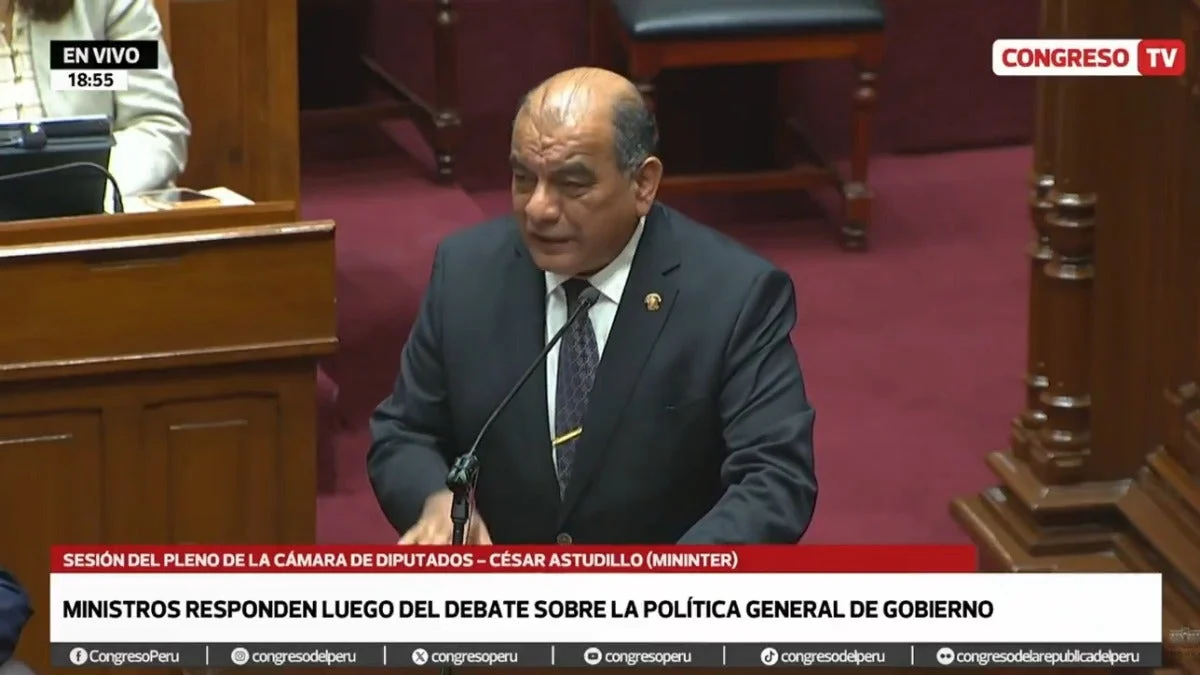
In a recent appearance before the Chamber of Deputies, Minister of the Interior César Astudillo clarified that the current composition of the police high command is not a matter of political preference, but a strict adherence to a legal mandate established by the previous Congress. This disclosure has sparked a nationwide conversation regarding the balance of power between the legislative and executive branches, and whether current laws are hindering the state’s ability to combat organized crime effectively.
The Core Conflict: Legislative "Handcuffs"
At the heart of the current controversy lies a specific piece of legislation passed by the outgoing Congress. This law mandates a minimum two-year tenure for the Commander General of the PNP, effectively "blinding" the Ministry of the Interior from removing or rotating the top brass, regardless of performance metrics or public pressure.
During his parliamentary testimony, Minister Astudillo was emphatic. "The previous Congress passed a law that prevents the removal of the Commander General. It forbids it. He must remain for two years," he stated. This legal barrier has created a disconnect between the government’s desire to implement new anti-crime strategies and the bureaucratic reality of institutional continuity.
Critics argue that such a law, while intended to provide stability to the police force, has inadvertently turned into a shield for officials who may not be delivering the necessary results in the face of escalating extortion, kidnapping, and violent crime targeting the transport sector.
Chronology of the Controversy
The current tension did not manifest overnight. It is the result of a compounding series of events that have eroded public confidence in the security apparatus:
- Initial Enactment: The previous legislature introduces and passes the stability law, aiming to prevent the "politicization" of the PNP through frequent changes in leadership.
- The Rise of Crime: Over the past six months, a wave of violent attacks against transport workers and small businesses has swept through the capital, leading to public outcry.
- Growing Scrutiny: Public and media questioning of General Óscar Arriola’s leadership intensifies as the security situation remains volatile.
- Ministerial Defense: Minister Astudillo holds a press conference to ratify the support of the high command, citing the "results obtained to date."
- Parliamentary Hearing: Facing pressure from lawmakers, Minister Astudillo formally explains the legislative limitations, effectively shifting the focus from his personal decision-making to the legal constraints imposed by the previous legislative body.
The Stance of the Ministry: Continuity and Performance
Despite the criticism, Minister Astudillo has maintained a position of cautious support for General Arriola. His argument is twofold: first, that legal requirements must be respected, and second, that the current leadership has provided a level of institutional stability that the police force requires to function.
"As long as we continue to work and continue to have results, they will continue," Astudillo remarked during a press conference. He dismissed rumors of clandestine political deals, clarifying that his support for the high command is strictly based on their current operational output and the legal framework in place.
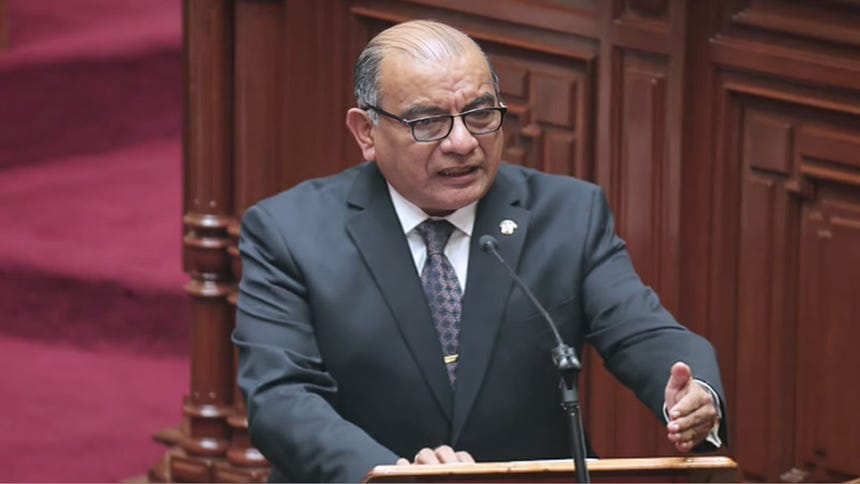
However, the Minister acknowledged the validity of the public’s frustration. Addressing the recent spate of attacks on transport companies, he admitted that current police strategies are "perfectible." He emphasized that the Ministry is actively engaging with the National Intelligence Directorate (DINI) to acquire better technology and that he plans to meet with all police generals to re-evaluate regional security plans.
Implications of the Legal "Lock-in"
The situation surrounding General Arriola’s tenure highlights a profound structural issue in Peruvian governance. By insulating the PNP leadership from executive changes, the law creates a "stagnation risk" where the government is held responsible for security failures, yet stripped of the authority to enact the necessary personnel changes to address those failures.
The Legislative Response
Recognizing the bottleneck, Minister Astudillo has announced that the Executive will propose a modification to the current law. The goal is to restore the Ministry’s ability to periodically evaluate the performance of the police high command. If passed, this would allow for a more meritocratic approach to police leadership, where continuity is tied to measurable success rather than an arbitrary calendar.
Impact on Public Trust
Public perception of the police is currently at a fragile point. When citizens see crimes being committed with impunity, they look for accountability. The current legal defense—that the Commander General "cannot" be removed—is often interpreted by the public as an excuse for administrative paralysis. If the government fails to reform this law or show significant improvements in crime statistics, the legitimacy of both the Ministry of the Interior and the PNP leadership will likely face further decline.
Supporting Data and Strategic Shifts
While the debate rages in the halls of Congress, the Ministry of the Interior has begun to outline a series of adjustments to operational protocols. These include:
- Technological Integration: Integrating intelligence data from the DINI to provide real-time updates to patrol units in high-risk areas.
- Strategic Re-evaluation: A series of meetings between the Ministry and regional generals to shift from reactive policing to predictive, intelligence-led enforcement.
- Accountability Measures: The Ministry is pushing for stricter internal audits of police performance metrics to ensure that "results" are not merely anecdotal but are reflected in a measurable reduction of criminal incidents.
The Minister’s promise to "act better, with better technology" is an attempt to bridge the gap between his current legal limitations and the public’s demand for safety. However, the success of these measures remains to be seen.
Conclusion: The Path Forward
The standoff over the leadership of the Peruvian National Police serves as a cautionary tale of how well-intentioned legislation can create unintended consequences. The "stability" provided by the two-year mandate has effectively shielded the police high command from necessary executive oversight, leaving the public feeling vulnerable in a time of crisis.
As the Ministry prepares its proposal to reform the law, the eyes of the nation will remain fixed on the streets and the statistics. Whether the solution lies in a legislative change, a surge in operational success under the current leadership, or a combination of both, one thing is clear: the current status quo is unsustainable.
The challenge for Minister Astudillo is to navigate this complex legal landscape while simultaneously proving that the PNP is capable of evolving. If he can secure the legislative changes he seeks, he may regain the tools necessary to manage the police force with the flexibility that modern security threats demand. Until then, the debate over General Arriola will continue to reflect the broader struggle of a nation attempting to balance institutional stability with the urgent necessity of public safety.