Overview: A Milestone for the Alto Mayo Region
The San Martín region, located in the heart of the Peruvian Amazon, is currently witnessing a transformative phase in its infrastructure development. The ongoing construction of the road connecting the districts of Soritor, Habana, and Calzada has officially surpassed the 66% completion mark. This ambitious engineering endeavor, spearheaded by the Regional Government of San Martín, represents a pivotal shift in the connectivity of the Alto Mayo province. By bridging these three key localities, the project aims to dismantle historical logistical barriers, fostering socio-economic integration and providing a vital artery for the region’s burgeoning agricultural and commercial sectors.
With a substantial investment of S/ 53.9 million, the project encompasses the improvement of 11.60 kilometers of roadway. This is not merely an asphalt-laying initiative; it is a strategic investment designed to provide long-term resilience and economic mobility for thousands of residents.
Main Facts: Engineering the Future
The project is categorized as a high-impact infrastructure intervention. Spanning 11.60 kilometers, the road is engineered to meet modern transit standards, ensuring that local farmers and business owners can transport their goods to Moyobamba and beyond with greater efficiency and reduced costs.
Key technical specifications of the ongoing works include:

- Earthworks and Foundation: A significant portion of current progress is attributed to intensive earth-moving operations and the stabilization of the subbase and base granular layers, which form the bedrock of the road’s durability.
- Advanced Drainage Systems: Recognizing the intense rainfall patterns characteristic of the Amazonian climate, the project includes the construction of 29 reinforced concrete culverts and over 2,900 linear meters of drainage ditches. These elements are critical for protecting the road’s integrity against erosion and flooding.
- Structural Reinforcement: To ensure stability in varied terrains, the project includes a reinforced retaining wall constructed of gabions, which will provide necessary support against landslides and soil instability.
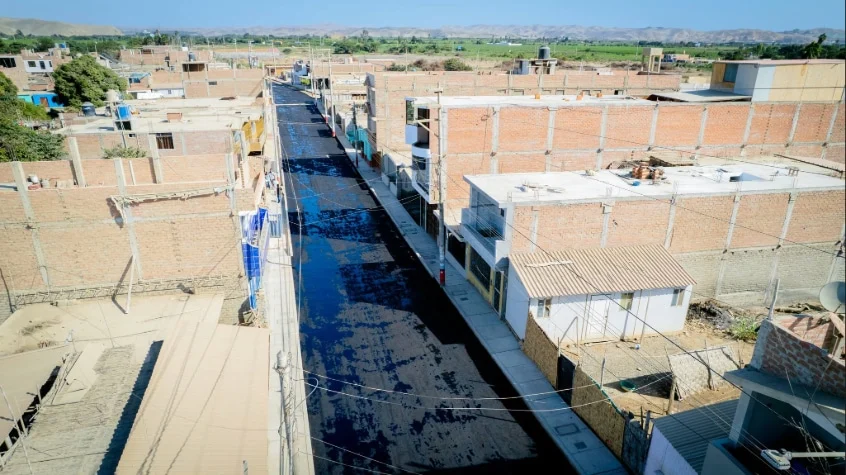
- Surface Finishing: Once the foundational layers are secured, the project will move into the final stages of priming and the application of a high-resistance asphalt carpet, followed by the comprehensive installation of vertical and horizontal traffic signage to ensure road safety.
Chronology of Development
The progress of the Soritor-Habana-Calzada project has been a testament to consistent planning and execution by regional authorities.
- Project Inception and Bidding: Following the initial feasibility studies, the project was sanctioned by the Regional Government of San Martín, acknowledging the urgent need for a reliable connection between the three districts. The bidding process was designed to ensure that the contractor possessed the technical expertise to manage the complexities of road construction in a high-precipitation tropical environment.
- Mobilization Phase: Early 2026 marked the mobilization of heavy machinery and the establishment of base camps. This phase focused on land clearing and the initial surveying of the 11.60-kilometer corridor.
- Intermediate Milestones: Throughout the first half of 2026, the project moved through the critical phases of excavation and the installation of subterranean drainage infrastructure.
- The 66% Milestone: As of August 2026, the project has reached the two-thirds completion mark. This milestone serves as a psychological and operational turning point, shifting the focus from structural foundations to the final paving and finishing works that will signal the nearing of completion.
Supporting Data: Economic and Social Impact
The Alto Mayo region is a major contributor to the agricultural output of the San Martín department. Products such as rice, coffee, and tropical fruits are the lifeblood of the local economy. Currently, the lack of optimized road connectivity adds significant time and cost to the supply chain.
Economic Projections
- Reduction in Transit Costs: Better road conditions translate into less vehicle maintenance and reduced fuel consumption, directly benefiting local logistics companies and independent transporters.
- Market Access: The road will provide a more direct link to the regional capital, Moyobamba, effectively shortening the supply chain and allowing producers to fetch better prices by accessing larger markets more reliably.
- Job Creation: The project has provided direct and indirect employment to hundreds of local residents, stimulating the regional economy through the consumption of local services and materials.
Social Connectivity
Beyond economics, the road is a social bridge. It facilitates faster access to healthcare services in the provincial capital, improves school bus routes, and encourages the exchange of services between the communities of Soritor, Habana, and Calzada.
Official Responses and Administrative Oversight
The Regional Government of San Martín has maintained that this project is a "priority mandate." Regional officials have emphasized that the investment of S/ 53.9 million is being managed with strict adherence to quality control standards, particularly regarding the use of granular materials and the thickness of the asphalt layer, to ensure the road does not degrade within its first few years of use.

Engineering supervisors on-site have highlighted that the parallel execution of drainage works alongside road paving is a proactive strategy. By addressing water management before the rainy season intensifies, the regional government expects to minimize delays and ensure that the infrastructure remains operational year-round, regardless of weather conditions.
Implications: The Path Toward Sustainable Development
The completion of this road is expected to serve as a catalyst for further infrastructure investment in the province. When a rural corridor is modernized, it typically triggers a "multiplier effect":
- Real Estate Appreciation: Land adjacent to the new route is expected to see a rise in valuation, potentially encouraging new commercial developments.
- Tourism Potential: Improved road access allows for the development of ecotourism in the areas surrounding the Alto Mayo, where biodiversity and landscape beauty are abundant but often inaccessible.
- Long-Term Governance: The success of this project serves as a metric for the current administration’s capability to deliver on infrastructure promises. It demonstrates a move away from fragmented road maintenance toward a model of comprehensive, high-standard road construction.
Challenges Ahead
Despite the optimism surrounding the 66% completion mark, the final stretch of the project presents its own set of challenges. The logistical hurdle of transporting high-quality asphalt in the required volumes, coupled with the unpredictable Amazonian weather, requires precise scheduling. Furthermore, ensuring that the road is equipped with proper long-term maintenance protocols—rather than just the initial construction—remains a critical point of concern for civil society watchdogs.
The regional government has committed to a final inspection process that will include stress tests and load-bearing evaluations to certify the road for heavy transport use.

Conclusion
The Soritor-Habana-Calzada highway is more than just a 11.60-kilometer strip of pavement; it is a vital lifeline for the Alto Mayo region. As construction pushes past the 66% mark, the promise of a more connected, efficient, and economically robust future becomes increasingly tangible. For the residents of Moyobamba and the surrounding districts, this project stands as a landmark achievement in the regional government’s push to modernize San Martín’s logistical infrastructure. As the final phases of construction approach, the focus now turns to ensuring that the project is finalized within the current calendar year, paving the way for a new era of regional connectivity and prosperity.