The ambitious infrastructure project aimed at transforming connectivity in the Junín region of Peru—the JU-108 road corridor—is currently teetering on the edge of failure. With a staggering investment of S/ 324 million, the road, which is slated to link the critical zones of Palian, Vilcacoto, Acopalca, Huaytapallana, and Pariahuanca, has become a case study in project mismanagement, land disputes, and technical negligence.
According to the latest findings from the Office of the Comptroller General (CGR), the project currently reports a physical progress rate of only 36%, despite a financial expenditure of 51.91%. This glaring discrepancy between the money spent and the actual construction completed serves as a red flag for taxpayers and regional authorities alike, signaling potential administrative and financial irregularities that demand immediate attention.
Main Facts: The Crisis Unfolded
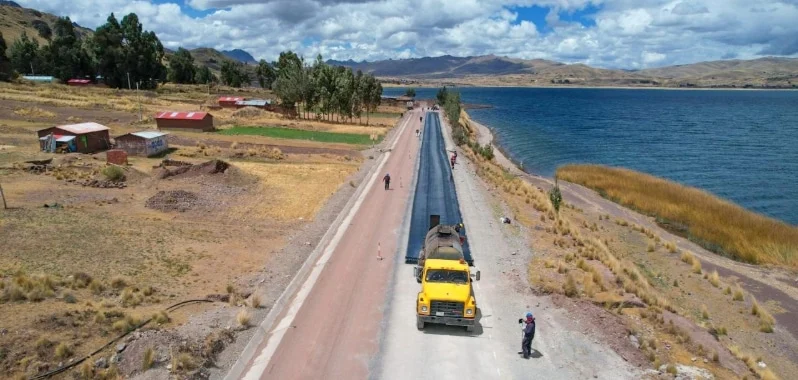
The JU-108 project is designed to be a vital artery for the region, spanning 76.22 kilometers of paved road, five major bridges, and extensive drainage works. However, the project is currently paralyzed by a fundamental failure in pre-construction planning: the inability of the regional government to secure the necessary land rights.
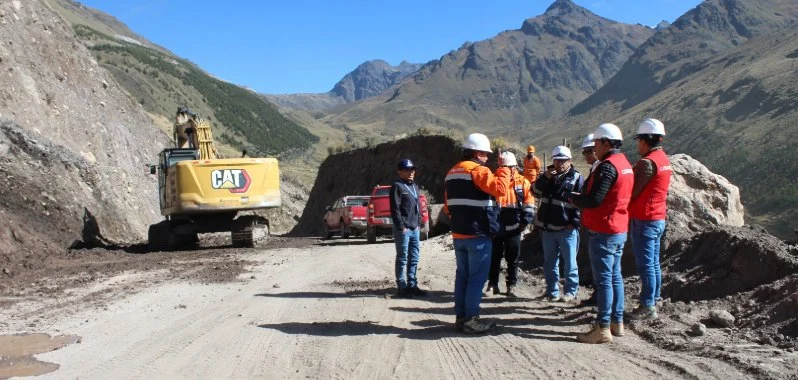
The Comptroller’s Office has identified that four distinct stretches of the project remain inaccessible to construction crews. Local communities and private landowners in Lampa, Chilifruta, Santa Rosa de Ila, Chuyas, and Quintaibamba Huata have mounted significant opposition to the project. These stakeholders argue that the current road alignment violates their property rights and poses an existential threat to their agricultural output and residential stability. Without the legal clearance of these lands, the machinery remains idle, and the project timeline has effectively ground to a halt.
Chronology of the Project’s Descent
The timeline of the JU-108 project illustrates a history of oversights that have compounded over time:

- Initial Planning Phase: The project was conceived as a high-impact infrastructure development intended to foster economic growth in the Junín highlands. Technical files were drafted with the promise of modernizing regional transit.
- Approval and Budget Allocation: With a budget exceeding S/ 324 million, the project was launched with high expectations. However, critics point to the "expediente técnico" (technical file) as the source of the current chaos, claiming it was drafted without sufficient field verification regarding land ownership.
- The Land Dispute Escalation: As construction crews attempted to advance, they were met with organized resistance from local communities. The failure to conduct adequate social mapping and land acquisition processes before breaking ground became the primary bottleneck.
- Control Report 10568-2026-CG/GRJU-SCC: The Comptroller General issued this landmark report, formally identifying five major adverse situations. This report marked the transition from a mere logistical delay to a formal investigation into potential civil, administrative, and criminal liabilities.
- Present Day: The project sits at a critical impasse. With over half the budget already disbursed, the regional government is now under intense pressure to reconcile with local populations and rectify the technical errors identified by the CGR.
Supporting Data: The Financial and Technical Disconnect
The disparity between the physical progress (36%) and the financial progress (51.91%) is not merely a statistical anomaly; it is a financial crisis. In the realm of public works, when financial spending outpaces physical output by such a wide margin, it typically indicates significant advance payments that have not been substantiated by completed work, or excessive costs incurred due to re-work and delays.
The technical deficiencies identified by the Comptroller are equally concerning. The report highlighted that, in several instances, contractors proceeded to lay asphalt surfacing before the necessary subterranean drainage systems were installed. This "cart-before-the-horse" approach is a severe violation of standard engineering protocols. Drainage is the lifeblood of road longevity in the mountainous terrain of Junín; without it, the asphalt will be prone to rapid degradation from rainwater and soil instability. By skipping these steps, the project is essentially compromising its own future durability, ensuring that the road will require expensive maintenance long before its projected lifespan concludes.
Official Responses and Administrative Failures
The Office of the Comptroller General has been categorical in its assessment: the responsibility lies with the Regional Government of Junín. The audit suggests that the oversight mechanism—the entity responsible for supervising the contractor—failed in its duties. By allowing the contractor to proceed with asphalt laying despite the missing drainage infrastructure, the supervisors failed to protect the interests of the State.
The Comptroller’s mandate to the regional government is clear: they must urgently implement corrective measures. This includes:
- Legal Mediation: Initiating formal dialogues with the affected communities in the five conflict zones to settle land disputes through fair compensation or alternative routing.
- Audit of the Technical File: A comprehensive review of the original design documents to identify where the planning failed and who authorized the flawed execution.
- Corrective Construction: Re-evaluating the current asphalted stretches to determine if they need to be excavated to install the missing drainage, an action that will inevitably drive up the total cost of the project even further.
Implications for the Region
The failure to complete the JU-108 road project carries heavy implications for the Junín region. First, the economic impact of delayed infrastructure is severe. The agricultural communities of the region depend on this road to transport their goods to markets. Every day the project remains stalled, these farmers lose potential revenue, and the region loses competitiveness.

Second, there is the issue of public trust. When a project of this magnitude, which was promised to uplift the population, becomes a source of conflict and bureaucratic stagnation, it diminishes the citizens’ confidence in the regional government’s ability to manage public funds.
Finally, the potential for legal fallout is significant. The Comptroller’s mention of "civil, administrative, and penal" implications suggests that the individuals responsible for the planning and supervision of the JU-108 could face severe legal consequences. If it is determined that the technical file was intentionally deficient or that public funds were mismanaged through collusion or negligence, the path forward will involve high-stakes litigation.
As it stands, the road to progress in Junín is blocked—not by the rugged terrain, but by the failure of human management. The regional authorities are now in a race against time to fix the technical blunders and resolve the land disputes before the project becomes a permanent monument to public administration failure. The citizens of Junín, who were promised a modern gateway to prosperity, are now left with a broken road and a bill that continues to climb.