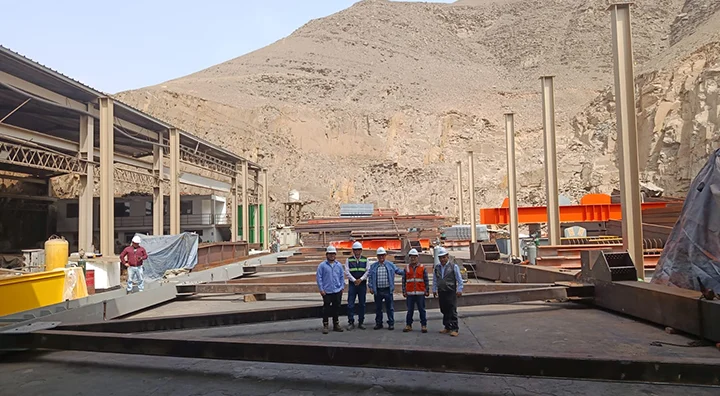
Lavasen, Peru – A monumental infrastructure project, the Puente Lavasen, is on the cusp of completion, poised to dramatically reshape connectivity and unlock vast economic and social potential for the historically underserved provinces of Pataz, Sánchez Carrión, and Bolívar in Peru’s La Libertad region. Spearheaded by Compañía Minera Poderosa through the innovative Obras por Impuestos (Works for Taxes) mechanism, and in close collaboration with the Gobierno Regional de La Libertad (Regional Government of La Libertad), this vital bridge has achieved an impressive 75.21% completion rate, signaling its imminent transition from a ambitious vision to a tangible reality.
For decades, the region has grappled with the profound limitations imposed by the absence of a permanent crossing over the Marañón and Lavasen rivers. This geographical barrier has historically rendered passage treacherous, particularly during the rainy season, severely hindering the movement of people, the transportation of essential goods, and the overall pace of development. The Puente Lavasen is not merely a structural enhancement; it represents the overcoming of a historic impediment, promising to usher in an era of secure and reliable transit for thousands of inhabitants.
The Genesis of a Vital Link: Addressing a Historic Connectivity Deficit
The current situation at the confluence of the Marañón and Lavasen rivers presents a stark challenge to the region’s progress. Without a reliable bridge, year-round connectivity remains an elusive dream. During periods of heavy rainfall, the rivers swell, transforming what are often mere seasonal crossings into impassable torrents. This natural phenomenon has, for generations, isolated communities, restricted access to vital services such as healthcare and education, and stifled the potential for robust commercial exchange. Farmers have struggled to bring their produce to market, businesses have faced logistical nightmares, and families have endured prolonged separations.
The decision to construct the Puente Lavasen was born from a deep understanding of these persistent challenges. The Obras por Impuestos mechanism, a Peruvian public-private partnership model, has proven to be an exceptionally effective tool for accelerating critical infrastructure development. This framework allows private companies to finance and execute public works, which are then offset against their tax liabilities. Compañía Minera Poderosa’s commitment to this initiative underscores its dedication to fostering sustainable development within the regions where it operates.
The collaboration with the Gobierno Regional de La Libertad has been instrumental in navigating the complexities of such a significant undertaking. This symbiotic relationship ensures that the project aligns with regional development priorities and benefits from the governmental oversight and support necessary for successful implementation. The result is an infrastructure project that is not only technically sound but also deeply rooted in the needs of the local populace.
A Chronicle of Progress: From Vision to Near-Completion
The journey of the Puente Lavasen from concept to its current advanced stage is a testament to meticulous planning and efficient execution. While the exact start date of construction is not detailed in the initial report, the current 75.21% completion signifies a substantial investment of time and resources. The project’s timeline indicates that the final stages are rapidly approaching, with the ultimate goal of operationalizing the bridge within the last quarter of the current year.
Key Milestones and Current Status:
- Conceptualization and Planning: The initial phase involved detailed studies, engineering designs, and securing the necessary permits and approvals, a process that would have been complex given the challenging terrain and the multi-agency involvement.
- Funding and Partnership Establishment: The establishment of the Obras por Impuestos agreement between Compañía Minera Poderosa and the Gobierno Regional de La Libertad was a critical step, laying the financial and legal groundwork for the project.
- Foundation and Substructure Work: This foundational phase, often the most labor-intensive and time-consuming, would have involved extensive site preparation, excavation, and the construction of robust piers and abutments designed to withstand the forces of the rivers and the weight of the bridge.
- Superstructure Construction: As the project reaches its current 75.21% completion, the focus has shifted significantly to the superstructure. The report highlights that the "last construction fronts" are being actively worked on. This implies the finalization of deck elements, surfacing, and potentially railing installation.
- Imminent Assembly of Main Structures: A significant upcoming milestone, as indicated by the report, is the "assembly of the main structures of the bridge." This likely refers to the installation of pre-fabricated bridge sections or the final erection of the primary load-bearing components, a visually dramatic and technically demanding phase.
- Access Road and Complementary Works: The project’s scope extends beyond the bridge itself. Significant investment has been allocated to "improvements in access roads and complementary works." This ensures that the bridge is seamlessly integrated into the existing transportation network, making it easily accessible from surrounding communities and facilitating onward travel. These complementary works are crucial for maximizing the bridge’s utility and impact.
- Final Touches and Commissioning: The remaining percentage of work will involve final inspections, safety certifications, and any necessary landscaping or finishing touches before the bridge is officially opened to the public.
The projected completion within the last quarter of the year means that the region can anticipate a tangible improvement in its connectivity very soon. The immediate operationalization upon completion further emphasizes the urgency and anticipated demand for this vital infrastructure.
Economic and Social Implications: A Catalyst for Regional Prosperity
The impact of the Puente Lavasen extends far beyond the physical crossing of two rivers. It is poised to be a powerful catalyst for economic growth, social development, and improved quality of life for thousands of people.
Direct Beneficiary Communities:
The report specifically names several localities that will experience direct and immediate benefits: Calemar, Nimpana, Vijus, and Shicún. These communities, often on the fringes of economic activity due to poor connectivity, will now find themselves more integrated into the regional and national economy. Furthermore, communities within the districts of Pataz, Condormarca, and Sartimbamba will also witness a significant transformation in their accessibility and opportunities.
Enhanced Access to Services:
The most immediate and profound impact will be the enhanced access to essential services. For individuals requiring medical attention, the ability to reach healthcare facilities quickly and reliably, regardless of weather conditions, can be life-saving. Similarly, students will have a more consistent and safe route to educational institutions, reducing dropout rates and fostering greater educational attainment. Government services, emergency response, and disaster relief efforts will also be significantly bolstered by this improved infrastructure.
Strengthening Commercial Exchange and Market Access:
The reliable transportation of goods is fundamental to economic vitality. Farmers will be able to transport their produce to larger markets more efficiently, reducing spoilage and increasing their potential earnings. Businesses will find it easier to source raw materials and distribute their finished products, fostering a more dynamic commercial environment. The reduction in transportation costs and time will make local products more competitive and encourage investment in new enterprises. This improved connectivity is expected to stimulate local economies, create new employment opportunities, and foster a more resilient regional market.

Unlocking New Development Opportunities:
The Puente Lavasen will serve as a gateway to new opportunities. Improved accessibility can attract investment in sectors such as tourism, agriculture, and small-scale manufacturing. The easier movement of people can lead to greater cultural exchange and collaboration. The project’s comprehensive approach, including improvements to access roads, ensures that the benefits are not confined to the immediate vicinity of the bridge but are disseminated throughout the interconnected regions. This territorial integration is crucial for long-term, sustainable development.
Investment and Technical Specifications: A Substantial Commitment
The Puente Lavasen represents a significant financial commitment, with an investment of S/ 34.8 million. This substantial sum underscores the scale and importance of the project. The investment covers not only the core structural elements of the bridge but also critical ancillary works that are essential for its overall effectiveness.
Key Investment Components:
- Bridge Structure: The core of the investment is dedicated to the design, engineering, and construction of the bridge itself. This includes the foundation, piers, abutments, and the main deck. The structural integrity and longevity of the bridge are paramount, given the challenging environmental conditions it will face.
- Access Road Improvements: Recognizing that a bridge is only as effective as the roads that connect to it, a significant portion of the budget is allocated to upgrading and constructing access roads. This ensures that communities can easily reach the bridge and that the flow of traffic is smooth and efficient. These improvements are vital for maximizing the bridge’s economic and social impact.
- Complementary Works: This broad category likely encompasses a range of essential elements such as drainage systems, safety barriers, lighting, signage, and potentially environmental mitigation measures. These works contribute to the overall functionality, safety, and longevity of the infrastructure.
Focus on the Final Stages:
The current operational focus on the "last construction fronts" and the upcoming "assembly of the main structures" highlights the project’s advanced stage. This phase requires specialized engineering expertise and careful coordination to ensure the safe and timely integration of the bridge’s primary components. The precision and quality of work during these final stages are critical for the long-term performance and safety of the structure.
Official Responses and Community Aspirations: A Shared Vision for Progress
The successful realization of the Puente Lavasen is a testament to the effective partnership between the private sector and governmental entities. While direct quotes from officials are not provided in the initial text, the sentiment conveyed by the project’s progress and the description of its benefits strongly suggests a shared vision for regional advancement.
Compañía Minera Poderosa’s Role:
As the executing entity through Obras por Impuestos, Compañía Minera Poderosa’s commitment signifies a proactive approach to corporate social responsibility and sustainable development. Their investment in this critical infrastructure demonstrates a long-term perspective on fostering prosperity in the regions where they operate. This initiative likely stems from a recognition that robust infrastructure is a prerequisite for economic stability and community well-being, which in turn supports the sustainability of their own operations.
Gobierno Regional de La Libertad’s Partnership:
The Gobierno Regional de La Libertad’s involvement is crucial for ensuring that the project aligns with broader regional development strategies. Their collaboration provides the necessary governmental framework, permits, and oversight to guarantee that the project meets public standards and serves the collective interest. The regional government’s endorsement and active participation underscore the strategic importance of the Puente Lavasen for the entire La Libertad region.
Community Expectations and Hopes:
While not explicitly detailed, the description of the bridge’s benefits to thousands of inhabitants and specific communities paints a clear picture of immense community anticipation. The historical limitations imposed by the lack of a bridge have created a deep-seated aspiration for improved connectivity. The successful completion of the Puente Lavasen will undoubtedly be met with widespread gratitude and a renewed sense of optimism for the future. The improved access to services, economic opportunities, and enhanced safety will directly translate into a higher quality of life for the people of Pataz, Sánchez Carrión, and Bolívar.
The Puente Lavasen stands as a powerful symbol of what can be achieved through strategic public-private partnerships and a shared commitment to progress. As the final stages of construction unfold, the anticipation for its completion and the transformative impact it will have on the lives of thousands of Peruvians grows with each passing day. This landmark project is set to redefine connectivity, unlock potential, and pave the way for a more prosperous and integrated future for the La Libertad region.