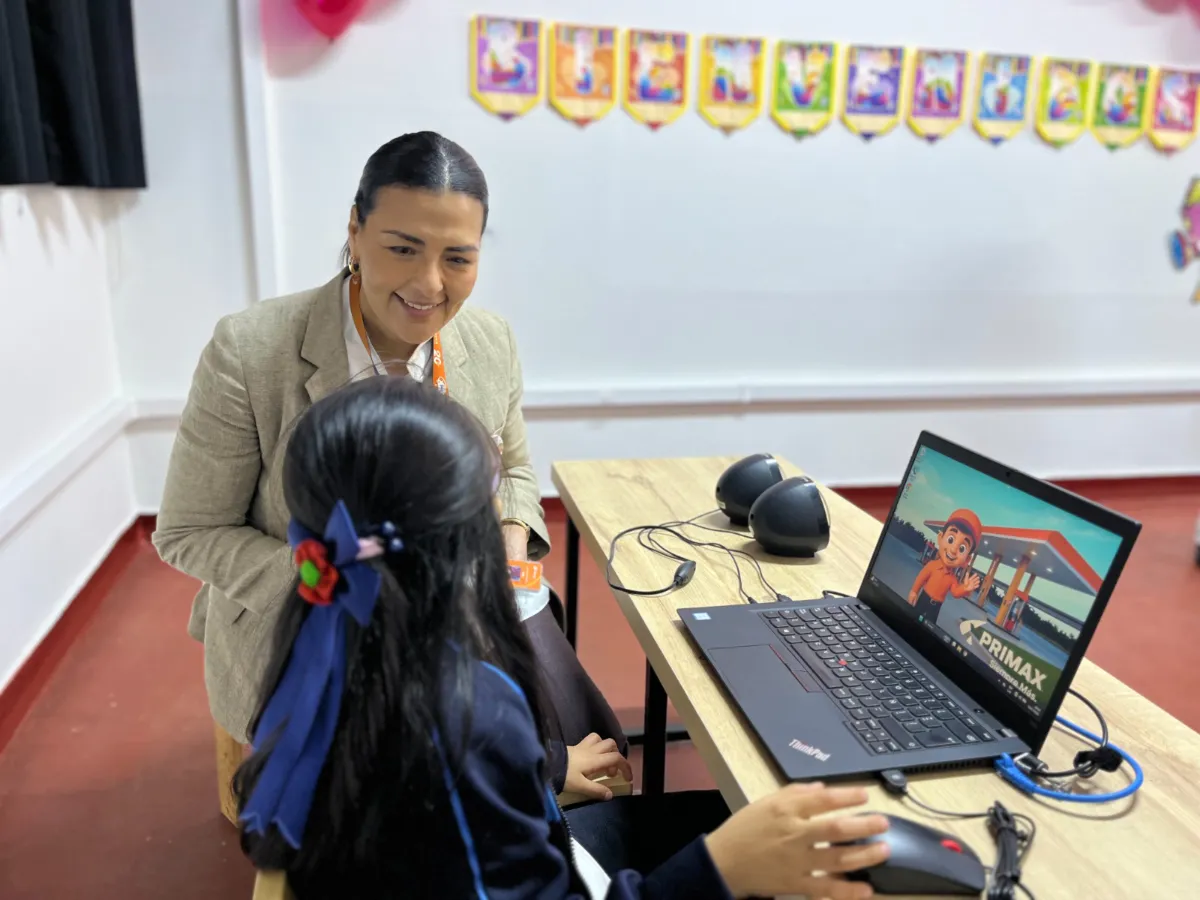
In a significant stride toward educational equity in Peru, energy leader Primax has officially inaugurated its eighth specialized computing laboratory. The facility, located within the Centro de Educación Básica Especial (CEBE) "Las Palomitas" in Cercado de Lima, represents a pivotal investment in the digital inclusion of children and adolescents living with special educational needs (SEN). By providing modern hardware and renovated infrastructure, this initiative aims to dismantle the barriers that often prevent students with disabilities from accessing the transformative power of technology.
Main Facts: Empowering Diverse Learners through Technology
The inauguration of the computer lab at CEBE Las Palomitas is not merely a philanthropic gesture; it is a strategic intervention designed to cater to the specific requirements of approximately 120 students, aged 5 to 18. These students, many of whom reside in INABIF (Integral Program for Family and Community Wellbeing) homes, represent a vulnerable demographic that often faces limited access to high-quality educational resources.
The project encompassed a comprehensive upgrade, including:
- Hardware Donation: Deployment of high-performance computers tailored for accessibility and ease of use.
- Infrastructure Enhancement: Physical renovation of the learning space to ensure it is conducive to concentration, accessibility, and collaborative interaction.
- Digital Integration: The introduction of software and digital pedagogical tools designed to augment the individualized instruction provided by the center’s professional staff.
This project marks the eighth such facility established by Primax in public special education centers across the country, cumulatively benefiting over 1,000 students nationwide.
Chronology: A Commitment to Long-term Impact
Primax’s journey toward fostering inclusive education did not begin with the Las Palomitas project. Over the past several years, the company has institutionalized its Corporate Social Responsibility (CSR) strategy to focus specifically on the intersection of technology and special education.
- Initial Phase: Primax identified a critical gap in the Peruvian educational system where students in CEBEs were falling behind due to a lack of digital literacy tools.
- Expansion Strategy: Following the success of pilot programs, the company committed to a multi-year rollout, identifying high-need centers across diverse regions.
- The Milestone: The activation of the eighth laboratory in Cercado de Lima signifies the maturation of this strategy, transitioning from a pilot project to a scalable model of social impact.
- Future Outlook: The company has signaled its intent to continue monitoring the performance and impact of these eight laboratories to refine its pedagogical support systems for future installations.
Supporting Data: The Landscape of Special Education in Peru
To understand the magnitude of Primax’s contribution, one must examine the broader landscape of education for students with special needs in Peru. According to local educational authorities, students with disabilities frequently encounter systemic challenges that hinder their academic progression.

The Digital Literacy Gap
In many public special education settings, traditional teaching methods often struggle to keep pace with the evolving demands of the digital age. Research suggests that for students with cognitive or physical disabilities, computer-aided instruction (CAI) can drastically improve:
- Cognitive Retention: Through interactive and sensory-responsive learning modules.
- Motor Skill Development: Using adaptive peripherals such as specialized keyboards or trackballs.
- Independence: Providing the tools necessary for self-directed research and expression.
Impact Metrics
With over 1,000 beneficiaries reached across the eight laboratories, Primax is effectively lowering the student-to-computer ratio in participating institutions. This is vital, as personalized attention is the cornerstone of the CEBE model. By integrating digital labs, these centers can now facilitate group learning and individual skill-building, effectively amplifying the work of the specialized teachers who accompany these students throughout their developmental years.
Official Responses: The Philosophy of Inclusion
The project’s success is anchored in the leadership of Primax’s administrative team, who view technology as an equalizer. Gina Vega, Gerente Legal & Asuntos Corporativos of Primax, emphasized that the goal is not simply to provide hardware, but to provide a pathway toward future independence.
"The technology we are installing can become a critical instrument to broaden the horizons of these students," Vega noted during the inauguration. "With the implementation of this new laboratory, we seek to assist more children and youth in sharpening their latent capabilities. By strengthening their autonomy and allowing them to acquire new digital skills, we are helping them build a future defined by opportunity rather than limitation."
The staff at CEBE Las Palomitas have also echoed these sentiments, highlighting that the presence of the lab allows them to pivot from standard curriculum delivery to a more flexible, technology-assisted approach that accommodates the unique pace of every student.
Implications: The Path Toward a More Inclusive Society
The implications of this initiative extend far beyond the walls of the classroom. By fostering digital fluency among students with special needs, Primax is effectively preparing this demographic for a more integrated role in society and the modern workforce.

Social Integration
Education is the primary driver of social mobility. When students with special needs are denied access to digital tools, they are effectively excluded from the modern global economy. By bridging this gap early—between the ages of 5 and 18—the initiative ensures that these young individuals are not left behind during the critical formative years of their development.
Promoting Autonomy
One of the core mandates of the CEBE system is to reinforce skills that foster greater independence. Digital tools act as a scaffold for this autonomy. Whether through communication-assistive technology or educational games that encourage problem-solving, these laboratories provide a controlled environment where students can test their abilities and gain confidence in their own agency.
Corporate Responsibility as a Catalyst
Primax’s model serves as a case study for how private corporations can align their business strategies with the Sustainable Development Goals (SDGs), particularly SDG 4 (Quality Education) and SDG 10 (Reduced Inequalities). By utilizing their resources to address specific infrastructure deficits, the company demonstrates that private sector involvement is not just a "nice-to-have" but a fundamental component of a functional, inclusive society.
A Sustainable Model
The sustainability of this project relies on the collaboration between the private sector and the educational institutions. By donating hardware and improving infrastructure, Primax sets a baseline of quality that the schools can maintain through ongoing teacher training and curriculum updates. The long-term success of the eight laboratories will depend on the continued partnership between the state, educational professionals, and the corporate sector to ensure that technology is updated and that students receive the necessary guidance to navigate the digital landscape.
Conclusion
As Primax looks toward the future, the success of the CEBE Las Palomitas laboratory serves as a benchmark for what can be achieved through targeted, compassionate investment. In a world increasingly defined by digital connectivity, ensuring that no student is left offline—regardless of their physical or cognitive ability—is a moral imperative. Through its continued commitment to inclusive education, Primax is helping to write a new chapter for these students, one where technology is a bridge to opportunity and a catalyst for personal growth. The eight laboratories are more than just rooms filled with computers; they are sanctuaries of learning where the potential of every child is nurtured, celebrated, and empowered.