By Investigative Desk
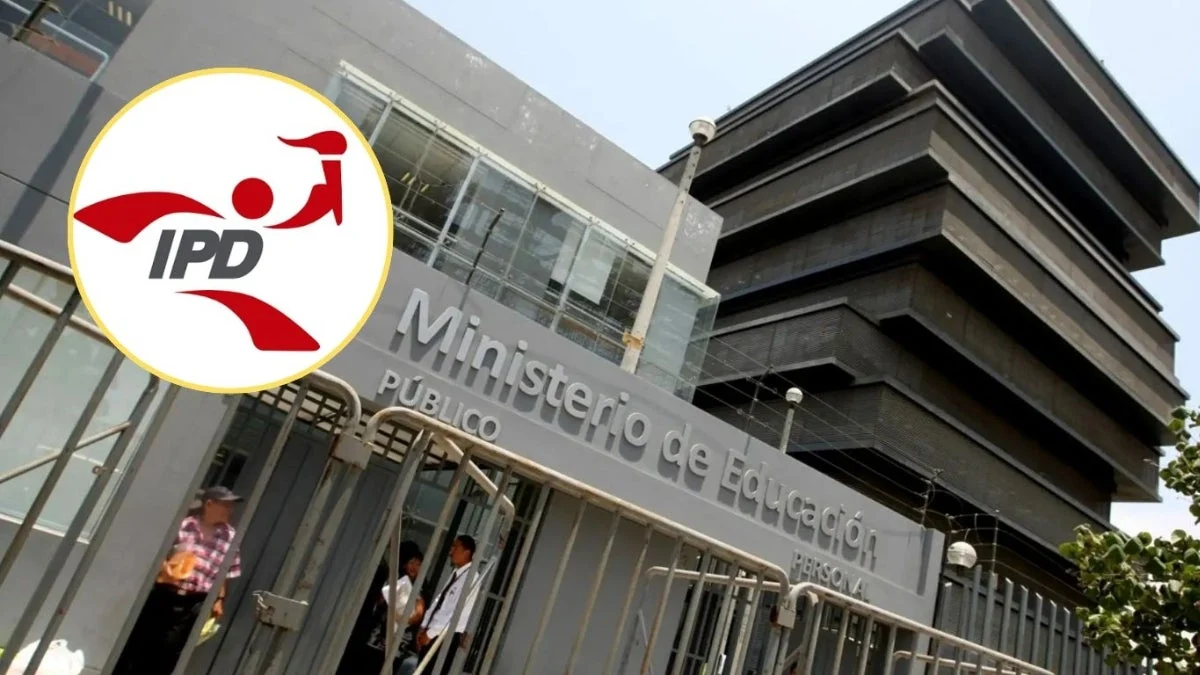
The Peruvian sports landscape is currently navigating a period of significant turbulence. The Ministry of Education (Minedu) has officially accepted the resignation of Sergio Ludeña Visalot as president of the Peruvian Institute of Sport (IPD). His departure comes in the immediate wake of a health crisis that unfolded within the walls of the Videna (National Sports Village), where young national judokas were exposed to toxic chemicals during an unauthorized fumigation process.
As the government moves to stabilize the institution, Óscar Fernández Cáceres—a former Minister of Labor and a previous head of the IPD—has been appointed to take the reins. The transition occurs at a critical juncture for Peruvian sports, specifically regarding the high-stakes organizational requirements for the Lima 2027 Pan American Games.
The Catalyst: A Breach of Safety at the Videna
The scandal that precipitated this leadership shift centers on a life-threatening incident occurring within the residential quarters of the Videna. On Sunday, a routine maintenance procedure escalated into a medical emergency when a facility housing national athletes was fumigated while occupants were still present inside.
Yuliana Bolívar, head coach of the National Judo Team, brought the gravity of the situation to light. She reported that at the time of the fumigation, 15 young athletes were inside the dormitory. The consequences were immediate and harrowing: the athletes experienced acute physical symptoms, including nosebleeds, severe chest pain, and respiratory distress.
"We have received no concrete explanations," Bolívar stated in an interview with La Rotativa del Aire. "We understand this was a failure of internal coordination. While IPD representatives eventually checked on the athletes’ well-being, we have yet to receive a formal resolution or a clear account of how such a dangerous oversight was permitted to occur."
Chronology of the Crisis: From Fumigation to Resignation
The sequence of events leading to the resignation of Sergio Ludeña highlights a rapid erosion of administrative control and public trust.
- Sunday: The unauthorized fumigation takes place at the Videna athlete dormitory. National judokas report immediate health complications, prompting emergency concern.
- Monday Morning: Coach Yuliana Bolívar goes public with the accounts of the athletes’ suffering, criticizing the IPD’s lack of transparent communication.
- Monday Afternoon: Sergio Ludeña holds a press conference, claiming that the fumigation was not scheduled for that specific sector. He announces a criminal complaint against those responsible for "exposing athletes to danger."
- Monday Night: The IPD releases a statement confirming the dismissal of all staff members involved in the authorization, administration, and supervision of the environmental sanitation services at the Videna.
- Tuesday: The Peruvian government, through the Ministry of Education, publishes Supreme Resolutions 020-2026-MINEDU and 021-2026-MINEDU in the official gazette El Peruano. These documents finalize the resignation of Ludeña and the appointment of Óscar Fernández Cáceres.
Internal Investigations and Allegations of Sabotage
Before his resignation, Sergio Ludeña attempted to frame the event not merely as administrative incompetence, but as a potential act of sabotage. In his final days in office, Ludeña provided testimony to the media alleging that security footage revealed the presence of "unauthorized personnel" within the restricted areas of the Videna.
"We are submitting security camera footage to the National Police," Ludeña stated before stepping down. "We are identifying both the alleged perpetrators and the victims. It is highly suspicious that individuals not affiliated with the IPD were seen in the facility with cameras in hand, entering restricted spaces where no emergency existed. These individuals were recording scenes that appear to be designed to distort the reality of what occurred."
Despite these allegations of external interference, the administrative failure remains the core issue. The IPD acknowledged that the sanitation service was executed in a manner that bypassed safety protocols, directly endangering the health of the nation’s elite athletes.
The New Leadership: Óscar Fernández Returns
The appointment of Óscar Fernández Cáceres is viewed by many political analysts as a "safe pair of hands" strategy. Having served as the head of the IPD between 2016 and 2018, Fernández is well-versed in the bureaucratic and operational intricacies of the institution.
His mandate is clear but daunting: restore morale, cooperate fully with the ongoing criminal and internal investigations, and ensure that the infrastructure projects for the Lima 2027 Pan American Games remain on schedule. With the appointment finalized by the signatures of President Keiko Fujimori Higuchi and Minister of Education José Antonio Chang, the government has signaled a desire for continuity and experience over experimentation during this period of crisis.
Supporting Data: The High Stakes of 2027
The IPD is not merely a sports regulatory body; it is the engine behind Peru’s international sports diplomacy. With the Lima 2027 Pan American Games on the horizon, the institution has been working under intense pressure.
Recent reports from the IPD indicated that progress on the necessary infrastructure projects had reached a 70% completion rate. However, the fumigation scandal threatens to cast a shadow over this progress. International federations and stakeholders prioritize athlete safety above all else; therefore, the perception that the host nation’s primary training facility is managed with such negligence is a significant reputational risk.
The medical evaluation of the affected judokas is ongoing. The IPD has stated it is working closely with the Peruvian Judo Federation to ensure that every athlete receives proper clinical monitoring to rule out long-term effects from exposure to the chemical agents used during the fumigation.
Implications for Governance and Accountability
The resignation of Ludeña and the immediate appointment of a successor raise fundamental questions about governance within the Peruvian public sector.
- Safety Protocols: The incident has exposed a lack of centralized oversight regarding third-party service providers. The "outsourcing" of maintenance work to private contractors without rigorous IPD supervision was the primary point of failure.
- Public Trust: The contrast between the coach’s testimony of suffering and the administration’s focus on "suspicious individuals with cameras" suggests a disconnect between the institution’s leadership and the human reality of the athletes they serve.
- The Political Fallout: By accepting Ludeña’s resignation so quickly, the Fujimori administration has attempted to insulate itself from the fallout. However, the incoming administration will face immediate pressure to prove that this was an isolated incident of incompetence rather than a systemic symptom of a bloated or mismanaged bureaucracy.
Looking Ahead
As Óscar Fernández Cáceres steps into the role, his first 100 days will be defined by his ability to resolve the criminal investigation into the Videna incident. He must balance the need for transparency—which will likely require the release of the full security footage and investigation findings—with the need to keep the Pan American preparations on track.
The athletes affected are the most critical stakeholders in this saga. Their recovery and the institutional response to their trauma will serve as the true barometer for the success of the new IPD administration. The goal for the coming months is not only to prepare for the arrival of thousands of athletes in 2027 but to demonstrate that the athletes currently in Peru’s care are safe, respected, and protected by the very institution designed to support their excellence.
In conclusion, while the resignation of Sergio Ludeña closes one chapter of this controversy, the deeper issues of administrative safety and institutional integrity remain the primary challenges for the new leadership. Peru’s sporting future depends on whether the lessons from the Videna crisis are learned, or if the system remains vulnerable to the same failures of oversight that led to this unfortunate event.