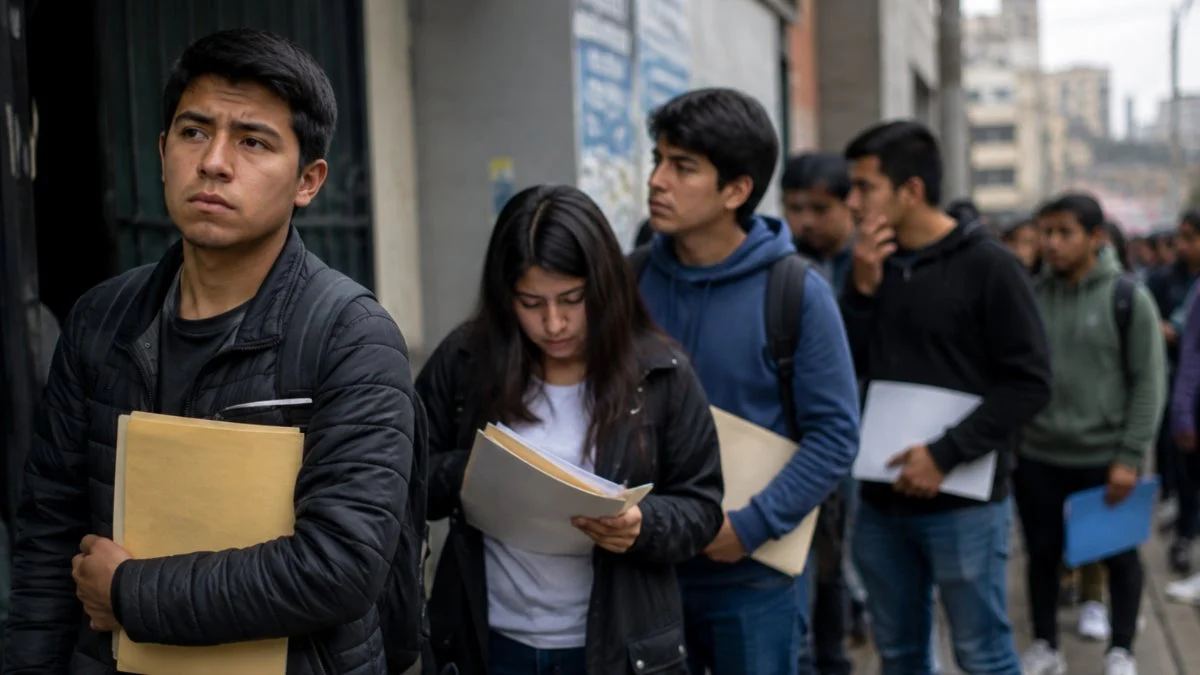
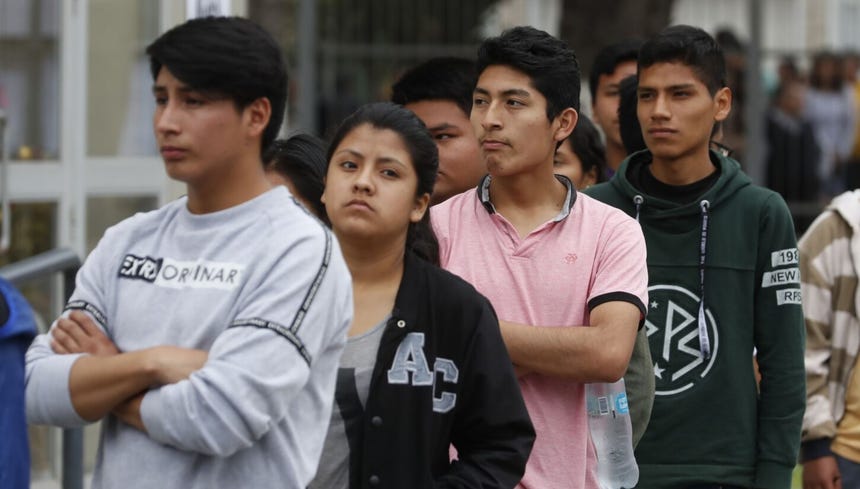
The Peruvian labor market is undergoing a structural transformation that threatens to leave an entire generation behind. According to the latest data from the National Institute of Statistics and Informatics (INEI), the presence of young people under the age of 25 in the workforce has experienced a sharp, sustained decline. With 215,000 fewer young people active in the labor market compared to a year ago, experts are sounding the alarm: the combination of rigid labor laws, educational misalignment, and the lure of illegal economies is creating a "lost generation" of workers.
The Core Data: A Statistical Retreat
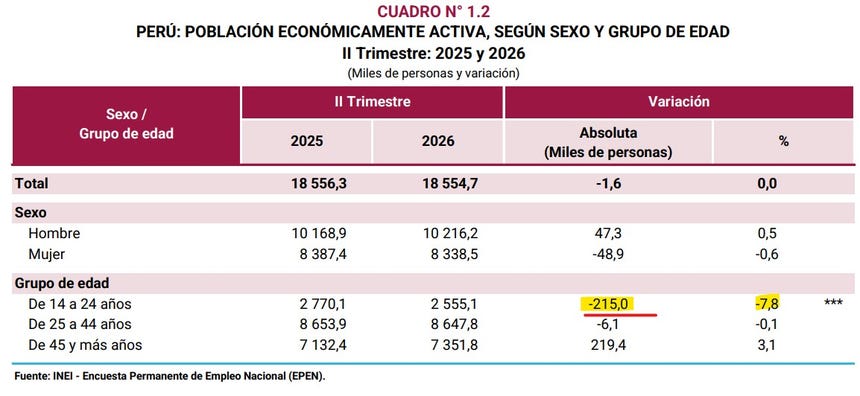
The second quarter of 2026 revealed a grim reality for those entering their professional lives. The Economically Active Population (PEA)—defined as those who are either employed or actively seeking work—for individuals under 25 fell by 7.8% compared to the same period in 2025. This reduction of 215,000 individuals is classified by the INEI as "highly significant."
While the general labor market has shown signs of recovery in other age brackets, the youth demographic is moving in the opposite direction. Specifically, the number of employed youth under 25 dropped by 73,000 (a 3% reduction). In stark contrast, employment for those aged 25 to 44 grew by 80,700, and for those over 45, it surged by 308,200. This disparity highlights a clear trend: as companies recover from economic shocks, they are prioritizing experienced, older workers over the "risky" investment of training a newcomer.
A Chronology of Declining Opportunity
This is not merely a temporary dip; it is the continuation of a trend that has been intensifying for years. Economists tracking the sector note that the decline in youth employment predates the pandemic.
- Pre-2019: The labor market was already showing signs of saturation for young entrants, with structural barriers preventing them from securing quality roles.
- 2020–2023: The global economic crisis, compounded by local political and environmental shocks (such as El Niño), forced businesses to tighten their belts. In this environment, "entry-level" roles were often the first to be cut or frozen.
- 2024–2026: We are currently witnessing a consolidation of these negative trends. The "exit" of young people from the labor force—those who simply stop looking for work—has become as concerning as the lack of job openings themselves.
According to Miguel Jaramillo, an expert in labor market research, 20% of the youth labor supply has effectively evaporated from the market compared to seven years ago.
Why Youth Are Being Sidelined
The reasons behind this exodus are multifaceted, involving a disconnect between what the educational system provides and what the private sector requires.
The Mismatch of Skills
Paola Herrera, senior economist at the Peruvian Institute of Economics (IPE), points to a systemic failure in alignment. Many young graduates find that the career paths they invested years in are not currently in demand. Furthermore, the lack of "soft skills"—the ability to learn, follow instructions, and maintain professional discipline—has become a major friction point.
Jaramillo highlights that many firms are willing to provide technical training, but they cannot provide the foundational education that is currently lacking. "Many young people leave the school system without the ability to understand a simple text or perform basic mathematical calculations," he explains. When a company looks for a candidate to train, they are often deterred by the need to remediate basic literacy and numeracy skills before technical onboarding can even begin.
The Burden of Formalization
The cost of entry into the formal economy is arguably the highest barrier for the youth. In Peru, the sheer complexity and expense of formal contracts—mandated by thousands of pages of labor regulations, minimum wage requirements, and social benefit packages—make hiring an inexperienced young person a high-risk financial decision for small and medium-sized enterprises (SMEs).
"The more expensive it becomes to hire formally, the harder it is for a young person without experience to get their foot in the door," Jaramillo argues. This creates a "perverse incentive" where businesses either opt for older, more seasoned workers or remain in the shadows of the informal economy.
The Growing Shadow of Illegal Economies
Perhaps the most alarming implication of this trend is the potential for youth to be absorbed by illegal activities. When legitimate employment is elusive, stagnant, or poorly paid, criminal networks offer a predatory alternative.
"It is possible that some young people find it easier to drift into petty theft, where there is no set schedule or boss," Jaramillo warns. This dynamic is increasingly evident in regions where illegal mining and other illicit trades are thriving. These criminal entities act as a "shadow employer," providing immediate, albeit dangerous and immoral, income for youth who have been rejected by the formal market. Herrera concurs, noting that these organizations often offer higher immediate returns than a low-paying, entry-level legal job, trapping young people in cycles of criminality that are difficult to escape.
The Reality of Informal Work
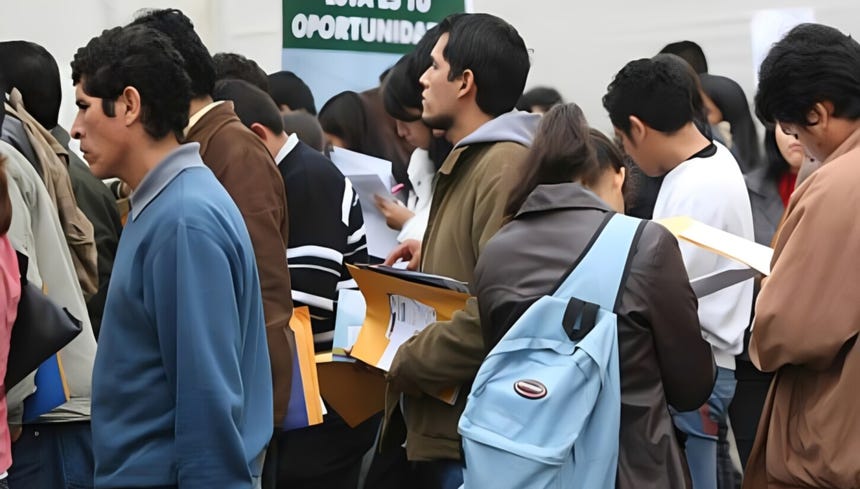
The statistics on informality are sobering: 84% of employed youth (aged 14–24) work in the informal sector. This is the highest rate among all age groups. While the figure has seen a marginal improvement from 85.4% the previous year, it remains a staggering reality.
Informality for the youth means:
- Lower Wages: Lack of collective bargaining or legal wage protections.
- Reduced Hours: Often leading to underemployment.
- Lack of Security: No access to health insurance, pension funds, or job stability.
This systemic informality perpetuates a cycle of poverty, as young workers are unable to build the professional history required to transition into higher-productivity sectors.
Policy Implications and The Path Forward
The demographic clock is ticking. As Peru’s population begins to age, the relative weight of the youth cohort will decrease. The current window of opportunity to boost the productivity of the next generation is closing.
Recommendations from Experts:
- Simplification of Labor Laws: Jaramillo advocates for a significant reduction in the complexity of labor regulations. By making the rules clearer and less burdensome for SMEs, the state could lower the cost of hiring and encourage formalization.
- Educational Reform: There is a pressing need for a better connection between academia and the private sector. Universities and technical institutes must be held accountable for the marketability of their graduates.
- Focus on Productivity: Policies must move beyond just "creating jobs" to creating productive jobs. This involves investing in training programs that bridge the gap between school and the modern workplace.
"We are in one of the last decades where we will have a sufficient youth population to effectively apply policies for better employability," Herrera warns. If the state fails to act, the combination of economic stagnation and the expansion of illegal economies will not only harm the individual prospects of millions of young Peruvians but will also erode the long-term stability and security of the entire nation.
The crisis is not just about the numbers; it is about the future of a country that is failing to integrate its most valuable resource: its youth.