Executive Summary: A Return to Barbadillo
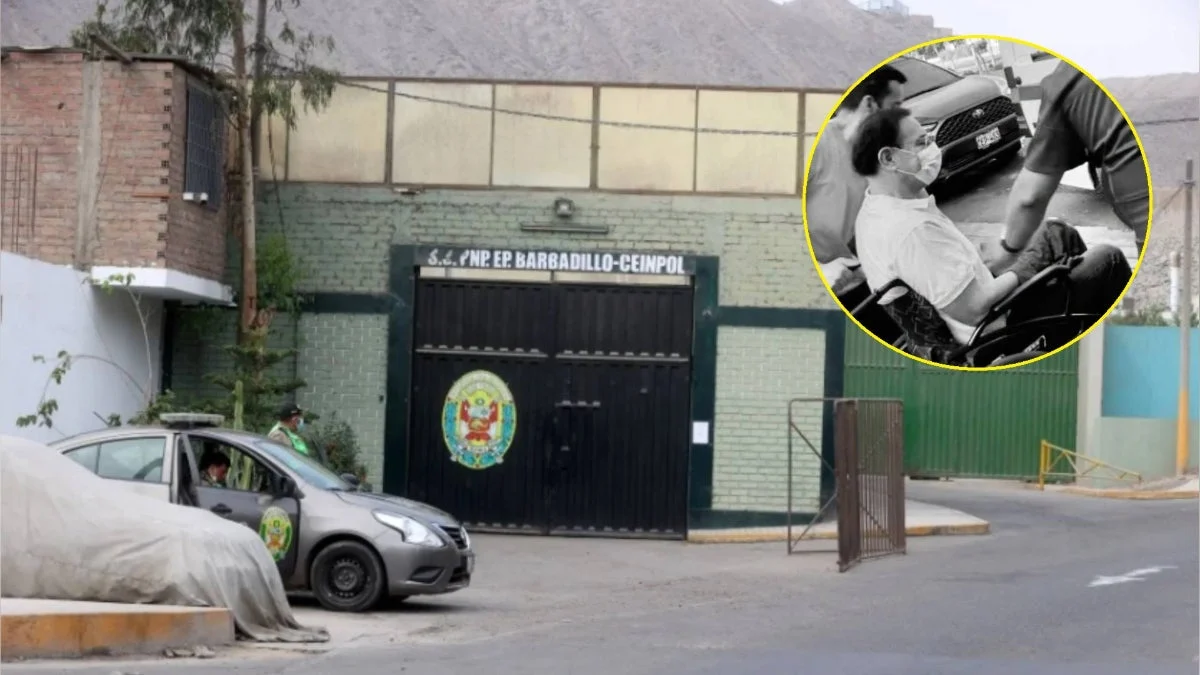
Former Peruvian President Martín Vizcarra has returned to the Barbadillo prison facility in Ate, Lima, following an urgent medical transfer to address persistent renal complications. The former head of state, who has been incarcerated since November 2023, confirmed his return via social media, expressing gratitude to his supporters and family for their concern during his brief hospitalization.
The health crisis highlights the precarious conditions of high-profile detainees in Peru and coincides with a critical juncture in Vizcarra’s legal defense. With a significant appellate hearing scheduled for August 20, the intersection of his medical vulnerability and his ongoing battle to overturn a 14-year prison sentence has intensified the national conversation regarding judicial due process and the health rights of inmates.
Chronology of Medical and Legal Events
To understand the current state of affairs, it is essential to trace the developments from the onset of the legal proceedings to the most recent health emergency.
- November 2023: Martín Vizcarra is transferred to the Barbadillo prison facility following a lower court ruling that found him guilty of bribery in connection with public infrastructure projects.
- January 2024: During his imprisonment, Vizcarra experiences a severe renal episode. According to medical reports, this incident caused significant damage to his left kidney, leaving it with only 10% functionality.
- August 12, 2024: Defense attorney Erwin Siccha formally announces that Vizcarra requires emergency medical intervention, stating that his renal issues are "severely affecting his overall health."
- Mid-August 2024: Vizcarra is transported to a specialized medical center for evaluation and treatment.
- August 15, 2024 (Approx.): The former president is discharged and returned to the custody of the National Penitentiary Institute (INPE) at Barbadillo.
- August 20, 2024: Scheduled appellate hearing to review the 14-year sentence handed down in the cases of the Lomas de Ilo and Hospital Regional de Moquegua projects.
The Medical Reality: Chronic Renal Failure
The clinical situation facing the former president is not merely a temporary ailment but a chronic, life-altering condition. Vizcarra has publicly disclosed the severity of his organ failure to provide context for the necessity of his periodic transfers.
The 10% Capacity Threshold
According to the statements provided by the former president, the damage to his left kidney—sustained while in custody—has left the organ functioning at a mere 10% of its normal capacity. Medically, this places the patient in a stage of chronic kidney disease that requires stringent, consistent monitoring.
"I am forced to verify my renal function periodically," Vizcarra stated in a digital dispatch to his followers. The necessity for these transfers is driven by the risk of total organ failure or complications that could lead to sepsis or other systemic issues. For a prisoner, this implies a constant dependency on the judicial system and the prison authorities to grant permission for medical leave, creating a precarious balance between security protocols and the constitutional right to health.
Legal Context: The Shadow of the "Lomas de Ilo" Case
The political and legal gravity of Vizcarra’s situation cannot be overstated. His conviction in the Lomas de Ilo and Hospital Regional de Moquegua cases—both projects initiated during his tenure as regional governor—serves as the cornerstone of the prosecution’s argument.
The Charges and the Conviction
The judiciary found Vizcarra guilty of the crime of bribery (cohecho), alleging that he accepted illicit payments in exchange for steering construction contracts to specific entities. The prosecution’s case was largely built on the testimonies of collaborators—individuals who have admitted their involvement in corruption schemes and provided information in exchange for reduced sentences.
The Defense’s Argument: A "Political Persecution"
The defense team, led by attorneys such as Erwin Siccha, maintains that the verdict was a result of a flawed legal process. They argue that the lower court relied excessively on the testimonies of "confessed criminals" without sufficient corroborating physical evidence.
Mario Vizcarra, the former president’s brother, has become a vocal surrogate in the public sphere. Speaking from the exterior of the Barbadillo prison, he emphasized that the appellate stage represents a "second chance" for justice to prevail. He argues that there are substantial elements of the case—evidence that was either overlooked or dismissed by the initial court—that will finally demonstrate the former president’s innocence.
Implications for the Peruvian Judiciary
The case of Martín Vizcarra serves as a litmus test for the Peruvian judicial system, particularly in how it handles cases involving former heads of state and high-level officials accused of corruption.
The Debate on Preventive Detention and Sentencing
The fact that Vizcarra is seeking to overturn a 14-year sentence while suffering from a serious chronic illness brings to the forefront the broader debate regarding the humane treatment of detainees. Critics of the judiciary argue that prolonged incarceration of individuals with severe health conditions—especially when the appeals process is ongoing—borders on human rights violations. Conversely, proponents of the current judicial path argue that the severity of the corruption charges, which involved public funds meant for essential infrastructure, warrants strict adherence to the sentencing guidelines regardless of the defendant’s health status.
The Role of Public Perception
The former president’s ability to communicate via social media while incarcerated has allowed him to maintain a narrative of resilience and political victimization. By positioning himself as a victim of a "political witch hunt," Vizcarra seeks to rally public support ahead of the August 20 hearing. This strategy is designed to pressure the appellate judges to take a more critical look at the lower court’s decision, hoping that a more thorough review will result in his exoneration or at least a significant reduction in his sentence.
Future Outlook: The Appellate Hearing
As the date for the appellate hearing approaches, all eyes are on the judiciary. The outcome will have profound implications for the Peruvian political landscape.
- If the sentence is upheld: Vizcarra will remain in the Barbadillo facility, likely leading to further legal challenges regarding his access to specialized medical care and potential motions for house arrest due to health reasons.
- If the sentence is overturned or reduced: This would represent a significant victory for the defense and could potentially lead to the immediate release of the former president, depending on the specifics of the appellate ruling.
The defense remains "optimistic," as stated by Mario Vizcarra. They are banking on the premise that the appellate court will identify procedural errors or evidentiary gaps that the initial trial court ignored. The defense believes that the "political persecution" narrative will gain traction once the appellate judges strip away the emotional weight of the initial, high-profile conviction.
Conclusion: A Delicate Balance
Martín Vizcarra’s situation is a complex tapestry of medical necessity, legal struggle, and political maneuvering. While the former president struggles with a failing kidney that requires constant medical attention, his legal team prepares for what they deem the most important battle of his life.
The Barbadillo prison, which has housed several former presidents, remains the backdrop for this ongoing drama. Whether the judicial system will prioritize the former president’s health or strictly adhere to the established penal path remains to be seen. As the August 20 hearing approaches, the case continues to underscore the volatile nature of Peruvian politics, where the line between legal accountability and political conflict remains permanently blurred. The medical records of the former president have now become a central element in his legal defense, forcing the courts to weigh the demands of justice against the basic human rights of a man who once occupied the highest office in the nation.