By Editorial Desk
The Peruvian government is accelerating its efforts to fortify the nation’s infrastructure and emergency response capabilities as the threat of the El Niño phenomenon looms large. With meteorologists and climate experts warning of potentially intense rainfall between December 2023 and April 2024, the administration of President Dina Boluarte is pulling out all the stops to ensure that the country is not caught unprepared.
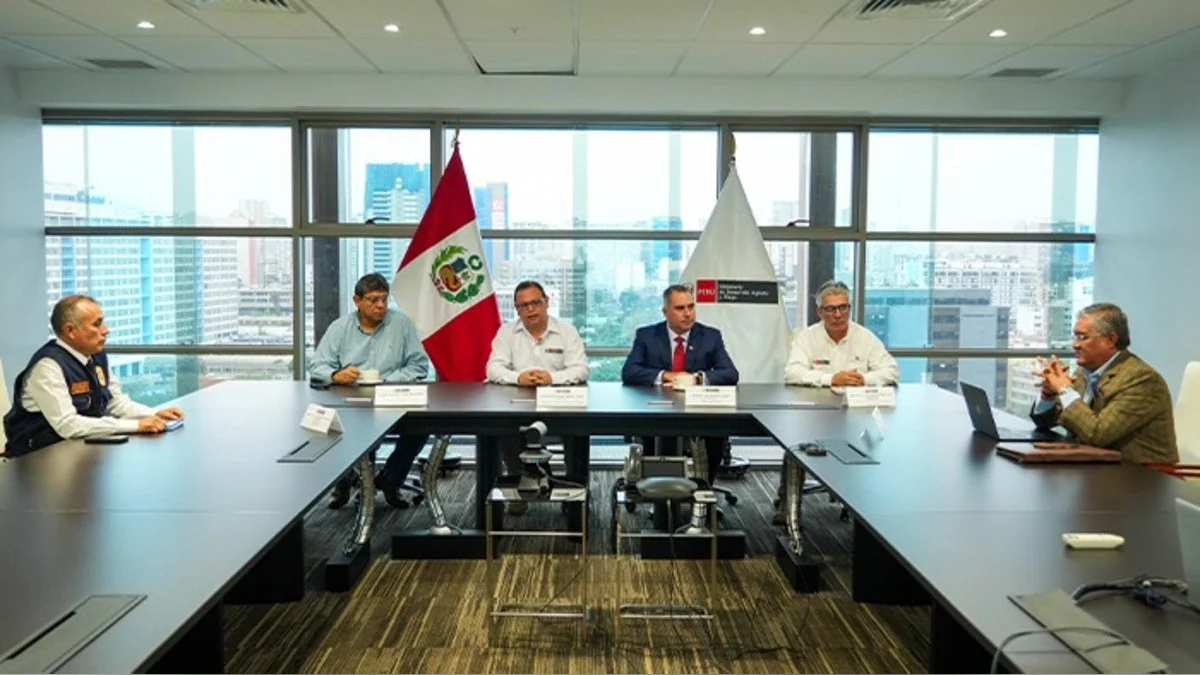
At the center of this strategy is the Ministry of Agrarian Development and Irrigation (MIDAGRI), which has identified a significant financial bottleneck. Minister Marco Vinelli recently disclosed that approximately S/ 1.5 billion—remnants of a specific budget allocation for disaster relief—remains unspent. To unlock these funds and facilitate a rapid response, the Executive is finalizing a critical emergency decree aimed at empowering regional and municipal governments to bypass bureaucratic hurdles and directly invest in risk mitigation.
Main Facts: The Financial Injection and Legislative Pivot
The core of the government’s announcement lies in the flexibility of the national budget. Currently, there is a dedicated fund known as "Budget Line 068," specifically earmarked for emergency and disaster response. According to Minister Vinelli, the total allocation for this fund stands at S/ 3.2 billion. However, as of mid-year, less than 50% of these resources had been utilized by local and regional authorities.
The upcoming emergency decree is designed to serve as a legal catalyst. While regional and local authorities already possess the legal framework to act under the current state of emergency, many have been constrained by rigid budgetary rules that prevent them from shifting funds between accounts to meet urgent, site-specific needs. The new decree will grant these entities the autonomy to reallocate their existing budgets specifically toward El Niño prevention and mitigation projects.
The government’s primary goal is to shift the focus from reactive emergency spending to proactive risk reduction. This includes the massive desilting of riverbeds, the installation of flood defenses, and the procurement of logistical supplies to ensure that, should flooding occur, the impact on human life and private property is minimized.
Chronology: A Race Against the Calendar
The timeline for these interventions is tight. The government is operating under the sobering reality that the most severe weather patterns associated with El Niño typically manifest between December and the following April.
- Phase One (Immediate Action): The government has already initiated works in the northern regions of Piura, Lambayeque, and Tumbes, which are historically the most vulnerable to the torrential rains associated with the phenomenon.
- Phase Two (Strategic Expansion): Following the initial successes in the north, the focus is scheduled to expand to La Libertad, Áncash, and Lima by the coming week.
- Phase Three (Administrative Finalization): Within the next 48 to 72 hours, the Ministry of Economy and Finance (MEF) is expected to publish the emergency decree, alongside several supreme decrees that will formalize the release of supplemental financial resources.
- Phase Four (The Peak Period): From December 2023 through March/April 2024, the government plans to transition from "preventive works" to "active emergency response," utilizing the supplies and defenses established in the previous months.
Supporting Data: Mapping the Vulnerability
The scale of the threat is documented in precise detail. The National Water Authority (ANA), which has been appointed as the Technical Secretariat for the newly established National Commission for the Management of El Niño Risks, has identified approximately 1,900 "critical points" across the country.
These critical points are locations where riverbanks are fragile, drainage systems are clogged, or infrastructure is insufficient to handle extreme water volume. Minister Vinelli confirmed that the current government intervention plan specifically targets 536 of these critical points, spanning the geography from Tumbes in the extreme north to Arequipa in the south.
The Breakdown of Identified Risks:
- Total National Critical Points: ~1,900.
- Currently Prioritized Interventions: 536 points.
- Unaddressed or Secondary Risks: Two-thirds of the total points remain outside the immediate scope of the current state-funded project, highlighting the necessity for a multi-stakeholder approach.
To address the remaining two-thirds of these critical points, the government is actively seeking to integrate the private sector. The strategy involves creating a "Public-Private Synergy" model where corporations are invited to invest in or adopt specific points of medium to low danger, thereby lightening the load on the national budget while ensuring more comprehensive coverage.
Official Responses and Administrative Structure
The creation of the National Commission for the Management of El Niño Risks marks a shift toward a more centralized, high-level coordination. The Commission is a multidisciplinary body composed of the Ministries of Agrarian Development and Irrigation (MIDAGRI), Defense, Economy and Finance, and Housing, Construction and Sanitation.
The National Institute of Civil Defense (INDECI) and the ANA are the operational pillars of this group. The ANA has been tasked with the Technical Secretariat, a role that gives them the authority to dictate where interventions are most needed based on hydrological data.
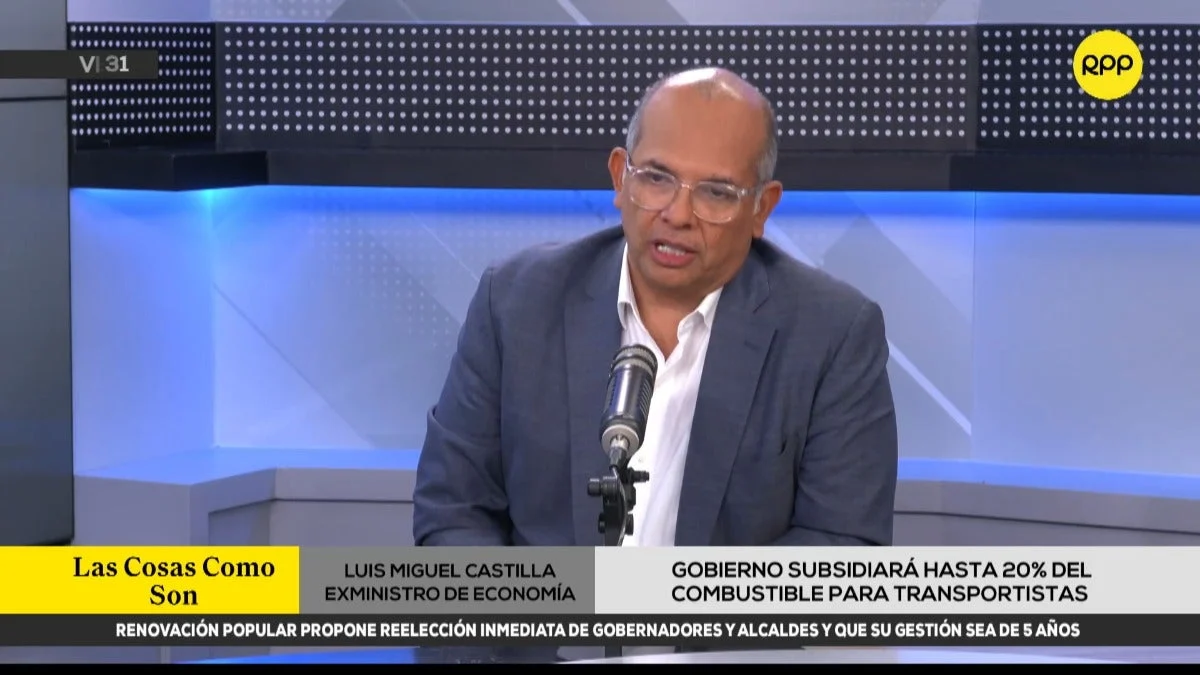
"We are in an emergency," Minister Vinelli emphasized during his interview with RPP. "The state of emergency is current and valid. That provides the legal framework for authorities to activate their protocols and execute their budgets. Our role at the central government level is to accompany them, remove the administrative obstacles, and provide the technical oversight necessary to ensure the work is done correctly."
Implications: Building Resilience and Future-Proofing
The implications of this initiative extend far beyond the immediate threat of El Niño. By mandating the clearing of rivers and the construction of permanent defenses, the government is attempting to move away from the "reconstruction cycle" that has plagued Peru for decades. Often, the country spends millions on emergency repairs only to see them destroyed by the next season’s rains.
Socio-Economic Implications
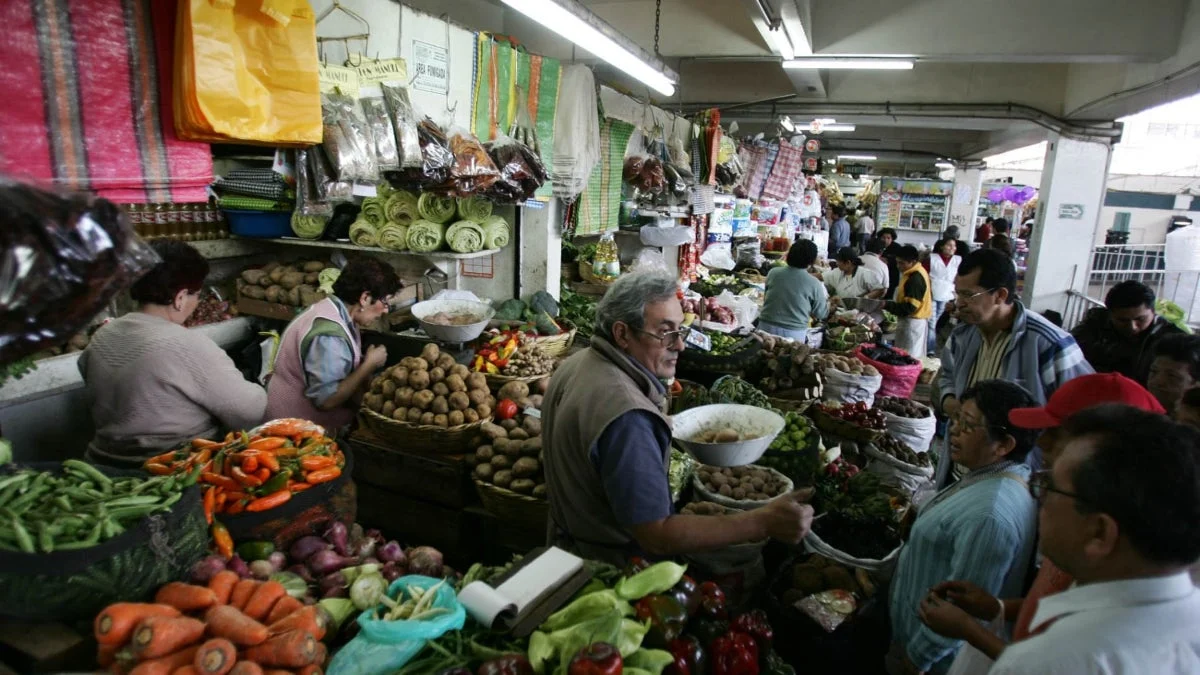
- Food Security: By protecting agricultural lands in the north—the country’s breadbasket—the government aims to prevent the inflationary spikes in food prices that usually follow severe weather events.
- Infrastructure Protection: The protection of private and public infrastructure, including schools, hospitals, and highways, is paramount to maintaining national economic stability.
- Private Sector Engagement: The call for the private sector to assist with water, food, and logistics suggests a shift toward a more collaborative national defense strategy. Companies are being encouraged to see their participation as part of their Corporate Social Responsibility (CSR) and as a way to protect their own supply chains.
The Long-Term Vision
The decision to formalize the role of the ANA as the Technical Secretariat suggests that the government wants to ground disaster risk management in science. By using hydrological data to dictate investment rather than political pressure, the administration hopes to create a more resilient national landscape.
However, the success of this plan rests entirely on the execution capacity of local governments. While the Executive can provide the funding and the legal "green light," the actual digging, cleaning, and reinforcing must occur at the municipal level. The pressure is now on mayors and regional governors to utilize the forthcoming emergency decree efficiently.
As December approaches, the eyes of the nation are fixed on the 536 points of intervention. The government’s message is clear: the money is there, the legal barriers are being removed, and the technical plans are finalized. The challenge that remains is one of speed and coordination. Whether these interventions will be enough to blunt the impact of El Niño remains a critical question, but the mobilization of S/ 1.5 billion represents a significant and necessary step toward national protection.