The aviation landscape in central Peru is on the cusp of a significant transformation. The Corporación Peruana de Aeropuertos y Aviación Comercial (CORPAC) has officially initiated the environmental and social engagement phase for the comprehensive modernization of the Alférez FAP David Figueroa Fernandini Airport, located in the Huánuco region. This project, backed by an investment of approximately S/ 20 million, aims to elevate the facility’s operational capacity, enhance passenger experience, and reinforce safety protocols, signaling a new era for regional connectivity.
Main Facts: A Hub for Growth
The project is not merely a renovation; it is a strategic intervention designed to modernize infrastructure that has struggled to keep pace with the increasing demand for air travel in the central highlands. The core of the plan involves a substantial expansion of the passenger terminal, which will see its footprint increase from 642 square meters to a more functional 1,000 square meters.
Beyond the terminal, the project addresses critical operational components:
- Tower Modernization: An upgrade to the air traffic control tower to meet modern safety and visibility standards.
- Infrastructure Efficiency: Expansion and optimization of the parking area to accommodate increased vehicular traffic.
- Safety Upgrades: A complete strengthening of the Salvamento y Extinción de Incendios (Rescue and Firefighting) department, ensuring the facility meets international safety regulations.
These improvements are intended to support the airport’s current role as a lifeline for the region’s 800,000 inhabitants. With a runway spanning 2,500 meters and a current volume of approximately 30 weekly flights, the airport serves as the primary gateway between Huánuco and the capital, Lima. By optimizing these facilities, CORPAC expects to facilitate smoother travel for both business travelers and the growing influx of tourists visiting the region’s unique destinations.
The Path to Modernization: A Chronological Overview
The journey toward this upgrade has been defined by careful institutional coordination and long-term planning. The following timeline outlines the evolution of the project:

- May 2025: A landmark cooperation agreement was signed between the regional government of Huánuco and the General Directorate of Civil Aviation (DGAC) of the Ministry of Transport and Communications (MTC) alongside CORPAC. This agreement set the legal and operational framework for the intervention.
- January 8, 2026: The project reached a significant milestone with the formal signing of the design and construction contract with the Consorcio Aeroconstrucción. This selection marked the transition from administrative planning to concrete engineering efforts.
- August 2026: CORPAC conducted a public hearing at the Huánuco Chamber of Commerce. This session was dedicated to presenting the Environmental Adequacy and Management Program (PAMA), a mandatory requirement to ensure the project adheres to strict environmental standards.
- Present Day: The project is now moving toward the execution phase, with a scheduled completion timeline of 360 days.
Official Responses and Stakeholder Engagement
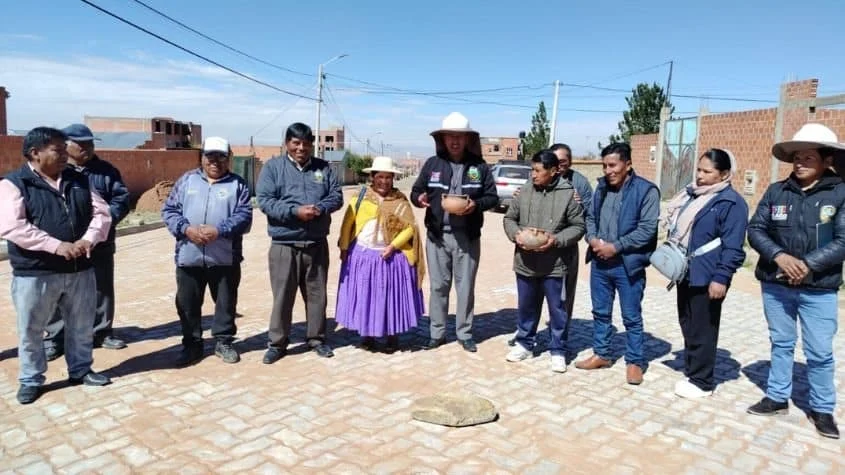
The public hearing held on August 14th served as a platform for transparency. Representatives from CORPAC, including the President of the Board of Directors, Luis Esquivel Torres, faced community leaders, local authorities, and citizens to address the project’s impact.
"The modernization will be executed over a 360-day calendar period," stated Esquivel Torres. He emphasized that the primary operational objective is to ensure "zero disruption" to current flight schedules. Maintaining continuous service is a top priority, ensuring that the movement of passengers and cargo remains fluid throughout the construction phase.
During the interactive session, attendees raised questions regarding potential noise pollution, traffic congestion during construction, and the long-term environmental footprint of the expanded facility. Specialists from the project team provided detailed technical responses, explaining that the PAMA was specifically designed to mitigate these impacts through controlled debris management, dust suppression techniques, and noise-dampening construction methods. The willingness of CORPAC to engage in this dialogue has been viewed by local observers as a positive step toward maintaining public trust throughout the construction timeline.
Strategic Implications: Why Huánuco Matters
The decision to invest S/ 20 million into the David Figueroa Fernandini Airport is rooted in the strategic necessity of connecting the Andean region to the global economy.
Economic Connectivity
Huánuco is a region of immense agricultural and tourism potential. Efficient air transport is the backbone of the "last mile" logistics required to bring high-value local products to national and international markets. By expanding the terminal, the airport will be better equipped to handle the logistical demands of a growing economy.

Tourism Infrastructure
Tourism is a key pillar of the Huánuco economy. The current limitations of the airport—specifically regarding terminal space—have long been identified as a bottleneck for tour operators. A larger, more modern terminal allows for better passenger throughput, reducing wait times and providing a more welcoming environment for visitors. The modernization is expected to improve the overall "first impression" of the region for those arriving by air.
Safety and Operational Resilience
Aviation safety is non-negotiable. The upgrades to the Rescue and Firefighting area are not just about meeting regulatory compliance; they are about regional risk management. In an era of climate unpredictability and increasing flight frequency, having state-of-the-art emergency infrastructure is essential to ensuring that the airport remains an operational asset rather than a liability during extreme weather events or operational emergencies.
Technical Execution and Future Outlook
The partnership between the regional government and the central authorities highlights a shift toward decentralized infrastructure management. By leveraging the local government’s involvement, the project ensures that the specific needs of the Huánuco population are integrated into the design phase.
The Consorcio Aeroconstrucción faces the challenge of working within an active airport environment. Construction in such settings requires meticulous logistics. The plan involves phased construction, where work zones are isolated to prevent interference with runway activities. This "surgical" approach to construction is a hallmark of modern airport engineering, ensuring that while the walls are being expanded and the towers updated, the heartbeat of the regional economy—the flights—continues without delay.
Conclusion: A Benchmark for Regional Development
The modernization of the Alférez FAP David Figueroa Fernandini Airport is more than a construction project; it is a catalyst for regional progress. As the 360-day clock begins to tick, the stakeholders remain focused on delivering a facility that is safer, more efficient, and capable of serving the needs of the Huánuco region for decades to come.

As the project progresses, the eyes of the aviation sector will remain on the effectiveness of the PAMA implementation and the ability of the construction consortium to meet its deadlines without compromising safety. If successful, this model of cooperation between CORPAC, the Ministry of Transport, and the regional government could serve as a blueprint for future airport upgrades across Peru, proving that with careful planning and transparent public engagement, regional infrastructure can indeed become a world-class gateway.
The people of Huánuco, long reliant on this vital link to the rest of the country, now have a clear roadmap toward a facility that reflects the region’s growing stature and economic ambition. As the terminal expands, so too does the potential for Huánuco to soar.