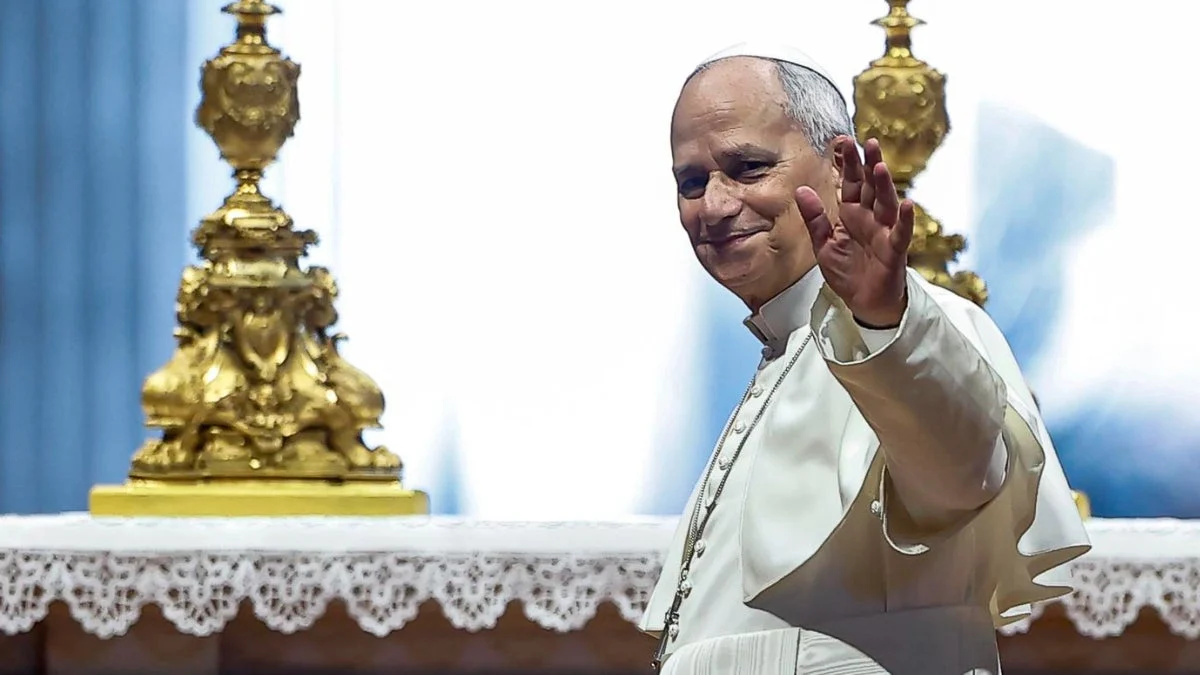
LIMA, Peru – In a significant move signaling the magnitude of the upcoming papal visit, the administration of President Keiko Fujimori has officially declared the arrival of Pope Leo XIV to Peru as a matter of "National Interest." The decree, published this Friday in the official gazette El Peruano, sets the framework for an extensive national mobilization to welcome the Pontiff, whose deep personal ties to the Andean nation are expected to define the character of his apostolic journey.
The visit, scheduled for November 11 through 17, 2026, marks a watershed moment in the country’s modern history. For the Peruvian faithful, the return of Leo XIV—who served as the Bishop of Chiclayo between 2015 and 2023—is being viewed not merely as a diplomatic or religious visit, but as a homecoming of a spiritual leader who once walked the streets of Lambayeque.
The Framework of the Visit: Official Coordination
The declaration of national interest is more than a symbolic gesture; it is a legal directive that mandates the mobilization of state resources to ensure the success of the visit. To manage the complexities of such a high-profile international event, the government has established the "Extraordinary High-Level Commission."
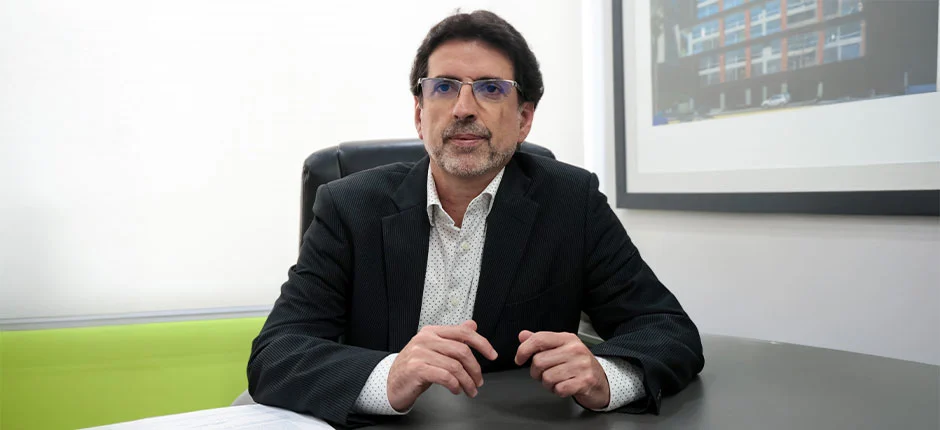
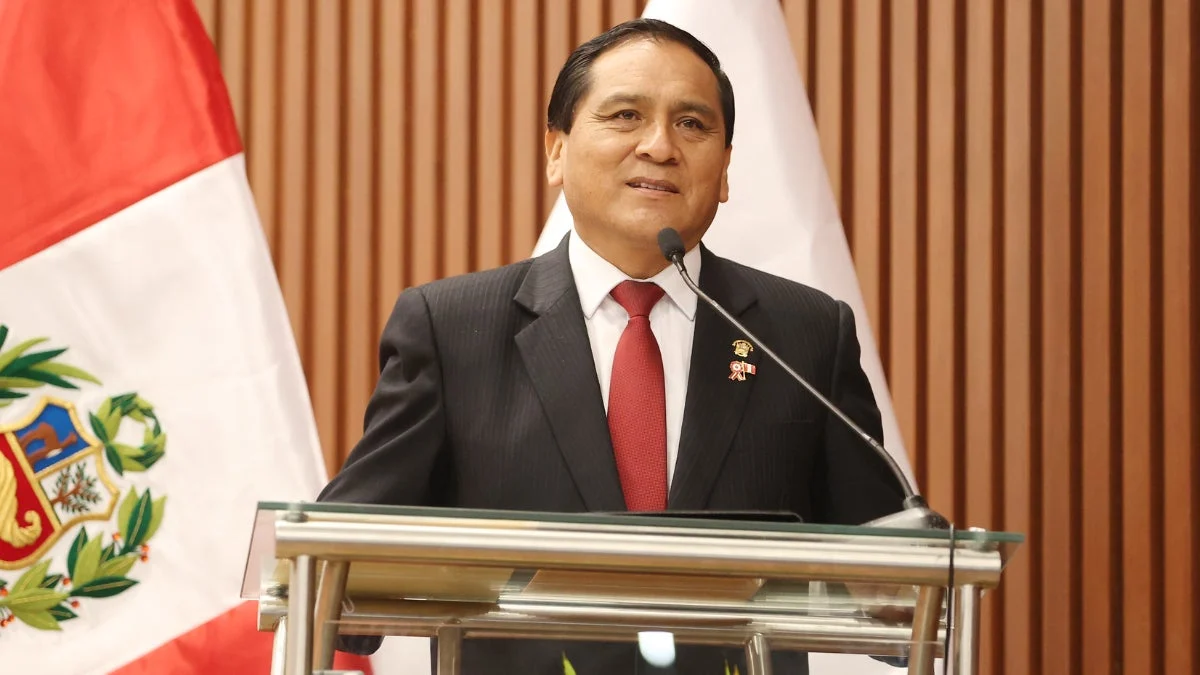
Presided over by the Minister of Foreign Affairs, Carlos Espá, the commission acts as the primary governing body for logistics, security, and diplomatic protocol. "The government is fully committed to ensuring that this visit is an absolute success," Minister Espá stated during a press conference at the Government Palace. "We view this journey as a balm for the Peruvian people, a moment of national unity that transcends political divides."
The commission is composed of various cabinet ministers, ensuring that the Ministries of Interior, Health, Transportation, and Tourism work in tandem. Furthermore, the Technical Secretariat of the commission has been empowered to coordinate directly with regional and local governments in the cities included in the papal itinerary: Lima, Chiclayo, Cusco, and Pucallpa.
Chronology and Itinerary: A Journey Across the Regions
The Apostolic Journey of Pope Leo XIV is designed to bridge the urban and rural divide of the country, reflecting the Pope’s own pastoral history in Peru.
- November 11: Arrival in Lima. The Pontiff will be received with full state honors at the Jorge Chávez International Airport, followed by a formal greeting at the Government Palace.
- November 12-13: Lima activities, including mass at the Cathedral and meetings with civil society representatives.
- November 14: Departure for Chiclayo. The focus of this visit will be the Pope’s former diocese, where he served for eight years.
- November 15: The centerpiece of the visit—a pilgrimage to Zaña, Lambayeque. Here, the Pope will lead the celebrations marking the 300th anniversary of the canonization of Saint Toribio de Mogrovejo.
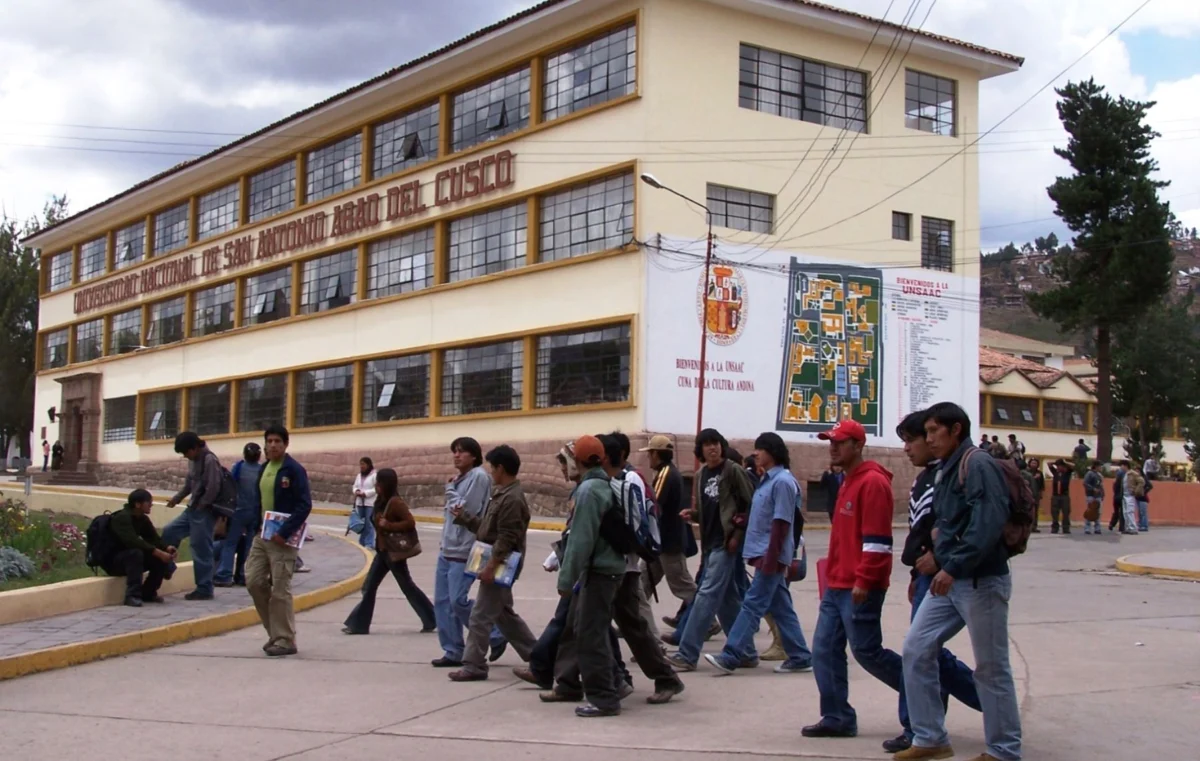
- November 16: Travel to Cusco to engage with the Andean communities and the Church in the highlands, followed by a brief stop in Pucallpa to address the concerns of the Amazonian populations.
- November 17: Farewell ceremony and departure from Peru.
The inclusion of Zaña is particularly significant. Minister Espá noted that the visit to the Lambayeque region represents the "highest point of the visit in the religious sphere," given the historical weight of Saint Toribio de Mogrovejo, the second Archbishop of Lima and a pivotal figure in the evangelization of the Americas.
Supporting Data and Logistical Facilitation
The decree published in El Peruano outlines specific administrative measures to streamline the influx of international visitors, media, and religious delegations. Under the current legislative framework for international events, the government has granted "customs and transit facilities." This ensures that the specialized equipment required for the Papal broadcast, as well as the goods and personnel accompanying the Holy See’s entourage, will be processed with priority.
The logistical challenge is immense. With hundreds of thousands of pilgrims expected to converge on the four host cities, the government is tasked with managing public health protocols, temporary accommodation, and the massive deployment of the National Police to maintain order. Experts suggest that the economic impact of the visit, in terms of tourism and local commerce, could reach record figures, providing a much-needed boost to the national economy in the final quarter of the year.
The Human Element: A "Peruvian Pope"
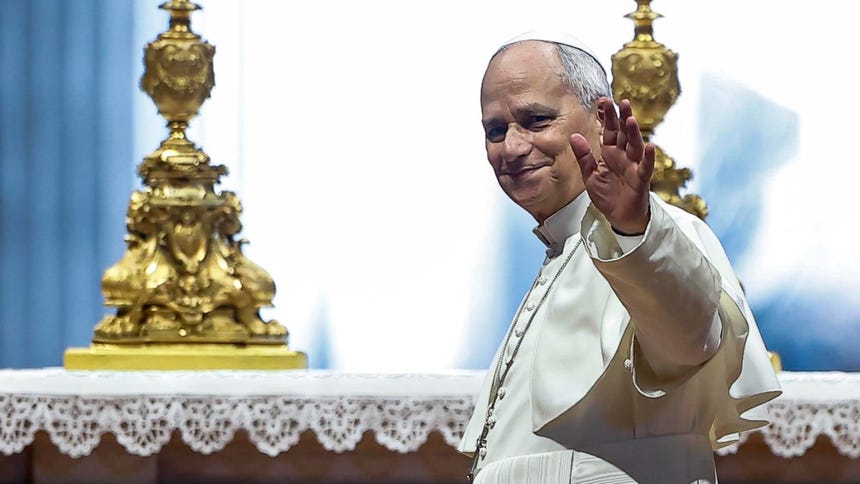
What distinguishes this visit from previous papal trips is the intimate bond between the Pontiff and the Peruvian people. Unlike his predecessors, Pope Leo XIV lived in Peru during his time as the head of the Chiclayo diocese. He speaks the local nuances, understands the social struggles of the northern region, and is intimately familiar with the complexities of the Peruvian Church.
"The entire country is waiting for the arrival of the ‘Peruvian Pope,’" Minister Espá remarked. This sentiment is echoed across the political spectrum. During the Wednesday, August 12, meeting of the Council of Ministers, President Keiko Fujimori emphasized that the visit is "a great piece of news for the entire country." The President’s administration is clearly banking on the visit to serve as a catalyst for national reconciliation and social cohesion.
Implications: Spiritual and Political Significance
The implications of the visit are multifaceted. Religiously, it reasserts the importance of Peru within the Catholic world, particularly as the country celebrates the tercentenary of Saint Toribio de Mogrovejo. The focus on Zaña is an intentional nod to the roots of the faith in the region, aimed at revitalizing religious practice in rural areas.
Politically, the visit provides the Fujimori administration with a platform to demonstrate effective governance. By centralizing the planning under an Extraordinary High-Level Commission, the government is attempting to showcase a disciplined, organized, and cooperative approach to state affairs. If the visit proceeds without logistical hitches, it could provide a significant boost to the administration’s approval ratings.
However, the event also carries the weight of high expectations. As the Pope moves from the political heart of Lima to the spiritual roots in Chiclayo and the diverse landscapes of Cusco and Pucallpa, he will be expected to address the pressing social issues facing modern Peru, including poverty, environmental concerns in the Amazon, and the need for structural justice.
Conclusion: A Nation United in Anticipation
As the date approaches, the mood in Peru is shifting from routine political life to intense preparation. The decree of national interest is the starting gun for what promises to be an extraordinary week. Whether through the lens of faith, culture, or politics, the visit of Pope Leo XIV is being treated as a historic milestone.
The government’s message is clear: Peru is prepared to host the world and welcome back a leader who, though now at the helm of the universal Church, is considered a son of the Peruvian soil. With the official structures now in place, the focus turns to the countdown, as the cities of Lima, Chiclayo, Cusco, and Pucallpa prepare to welcome the man who once served their parishes and is now returning to share in their future.
The successful implementation of the logistics and the anticipated peaceful nature of the visit will likely set the tone for the remainder of the year, leaving a lasting mark on the social fabric of the nation. As the preparations continue, the "National Interest" designation serves as a reminder that for these seven days in November, the eyes of the world will be on Peru, and the nation intends to be ready.