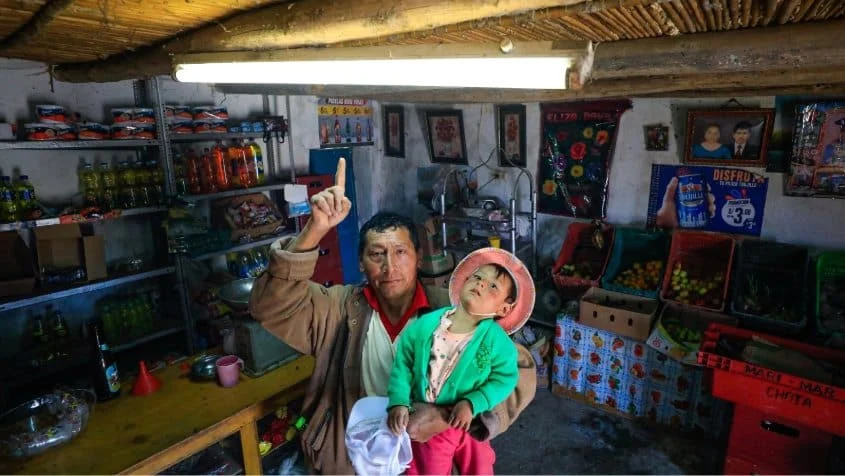
MARISCAL NIETO, MOQUEGUA — In a significant stride toward bridging the energy divide in southern Peru, the Ministry of Energy and Mines (MINEM), through its General Directorate of Rural Electrification (DGER), has officially announced the completion of a transformative electrification project in the Pampas de Clemesí, located in the Moquegua district. This infrastructure milestone brings reliable, modern electrical energy to more than 1,400 residents, marking a pivotal moment for the social and economic development of the region.
The project, which represents a substantial investment in public utility infrastructure, is designed to integrate rural communities into the national power grid, fostering development in a region that has historically struggled with limited access to modern utilities.
Main Facts: Bringing Light to the Pampas
The core of the initiative lies in the technical expansion of the regional distribution network. By installing high-voltage primary networks and localized secondary infrastructure, the MINEM has successfully connected three key localities within the Pampas de Clemesí to a stable power source.
The technical specifications of the project include:
- Primary Network: Implementation of a 33 kV primary distribution line to transmit power efficiently across the rugged terrain of the Mariscal Nieto province.
- Secondary Infrastructure: Construction of secondary networks operating at 380/220 V, specifically designed to ensure safety and reliability for residential and potential commercial consumption.
- Direct Beneficiaries: Over 1,400 citizens now have access to 24/7 electricity, replacing outdated and intermittent energy solutions such as kerosene lamps, batteries, or small, expensive fuel-based generators.
This development is not merely about lighting homes; it is about providing the foundation for technological adoption, improved education, and the modernization of small-scale agricultural and artisanal activities that define the local economy of Moquegua.
A Chronology of Development: From Planning to Power
The road to electrification in Pampas de Clemesí was a multi-year effort that required coordination between local stakeholders, regional authorities, and central government planners.

Phase I: Needs Assessment and Feasibility (2024)
The project began with a comprehensive audit of the energy needs in the Mariscal Nieto province. The DGER identified that while Moquegua is a region rich in natural resources, the rural periphery—specifically the Pampas de Clemesí—remained disconnected from the centralized grid. Technical teams conducted geological and electrical load studies to determine the path of the new power lines.
Phase II: Procurement and Resource Allocation (Early 2025)
Following the approval of the budget, the project moved into the procurement phase. Stringent environmental and social impact assessments were conducted to ensure that the infrastructure would not disrupt the local ecosystem or ancestral lands.
Phase III: Execution and Engineering Challenges (Late 2025 – Mid 2026)
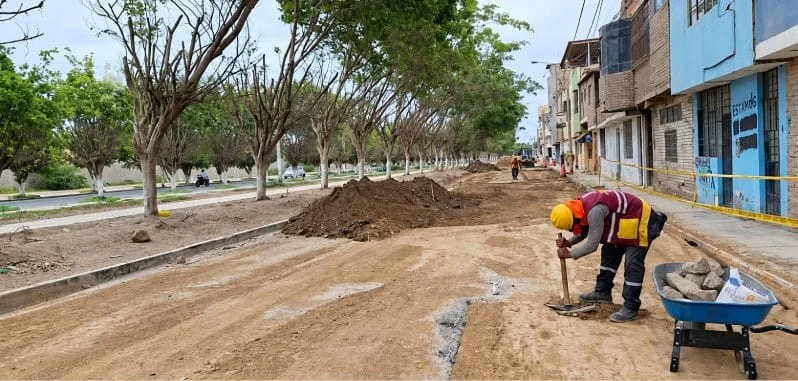
The construction phase involved overcoming the geographical challenges of the Moquegua landscape. Engineering teams worked to install poles, transformers, and cabling across challenging terrain. Despite supply chain fluctuations and logistical hurdles, the project remained on track, culminating in the final connection and testing phase in August 2026.
Phase IV: Official Commissioning (August 2026)
The final systems were energized following rigorous safety inspections. The project is now fully operational, providing stable voltage to the three targeted localities, effectively ending the period of energy poverty for the residents.
Supporting Data: The Impact of Rural Electrification
The impact of this project can be measured through various socio-economic metrics. Rural electrification is globally recognized as a "multiplier effect" catalyst, where every unit of energy provided yields exponential growth in other sectors.
1. Educational Outcomes
With reliable electricity, students in the Pampas de Clemesí can study after sunset. The availability of digital tools, computers, and internet connectivity—all dependent on a stable power supply—will significantly narrow the educational gap between rural students and their urban counterparts in the city of Moquegua.

2. Economic Productivity
The availability of 380/220 V power allows for the use of modern machinery. Local artisans and small farmers, who previously operated using manual labor, can now incorporate electrical pumps for irrigation and electric tools for processing their products. This shift increases the value-added potential of local produce, potentially boosting regional exports and household income.
3. Public Health and Safety
The transition from fuel-based lighting to electric light reduces indoor air pollution, a major cause of respiratory issues in rural households. Furthermore, street lighting—a standard component of such electrification schemes—significantly increases public safety and facilitates community life during the evening hours.
Official Responses: Commitment to Equity
The Ministry of Energy and Mines, led by Minister Guillermo Shinno, has emphasized that this project is part of a broader national strategy to close the energy gap in Peru.
"Our commitment is to leave no one behind," stated Minister Shinno during the project’s review. "The access to electricity is not a luxury; it is a fundamental right that serves as a bridge to equality. By bringing this infrastructure to the Pampas de Clemesí, we are not just installing poles and wires—we are installing hope and future opportunities for 1,400 citizens who have long awaited this moment."
The Ministry further reiterated that the project aligns with the national goal of achieving 100% rural electrification coverage by the end of the decade. The DGER has been tasked with identifying further "pockets of darkness" across the Moquegua region to ensure that the momentum generated by this project continues.
Future Implications: The Path Ahead
The successful electrification of the Pampas de Clemesí serves as a blueprint for future infrastructure projects in Peru. It demonstrates that with the right combination of state-led investment and technical expertise, even the most isolated communities can be integrated into the modern economy.

Scalability and Maintenance
The DGER has confirmed that the maintenance of the new infrastructure will be managed in collaboration with local distribution companies, ensuring that the lines remain operational and that any technical faults are addressed promptly. This sustainable management model is crucial to avoiding the common pitfall of "abandoned infrastructure" often seen in rural development projects.
Towards a Sustainable Energy Mix
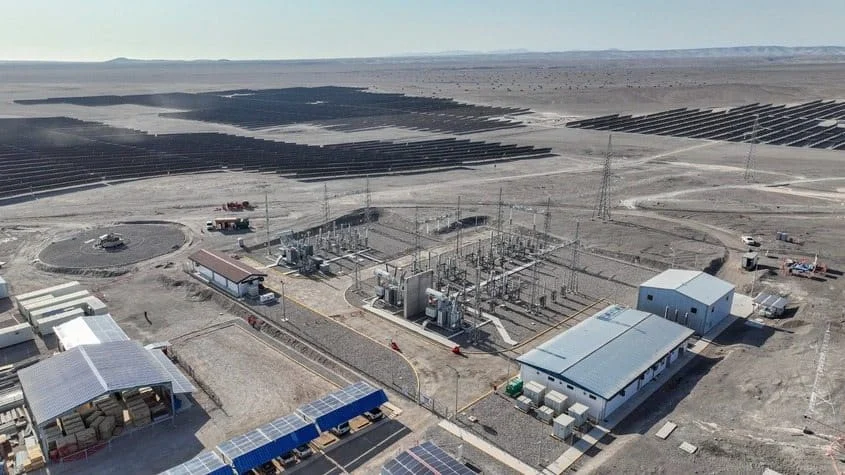
Looking forward, there is potential for the Pampas de Clemesí to transition toward hybrid energy systems. Given Moquegua’s high levels of solar radiation, the Ministry is currently exploring the possibility of integrating solar panels into the existing grid to reduce reliance on non-renewable sources and lower long-term costs for the residents.
Strengthening Regional Integration
As these communities gain access to power, they become more integrated with the urban centers of Mariscal Nieto. This physical and economic connection is expected to stimulate trade, encourage entrepreneurship, and ultimately reduce migration from rural areas to overcrowded urban centers.
Conclusion
The completion of the electrification project in the Pampas de Clemesí is a victory for the residents of Moquegua and a testament to the importance of public infrastructure in driving social change. By providing the essential energy needed for education, business, and health, the Peruvian government has laid the groundwork for a more prosperous future. As the lights turn on across the Pampas, the people of the region are now better equipped than ever to participate in the growth of the nation, proving that progress is indeed possible when the state invests in the potential of its citizens.