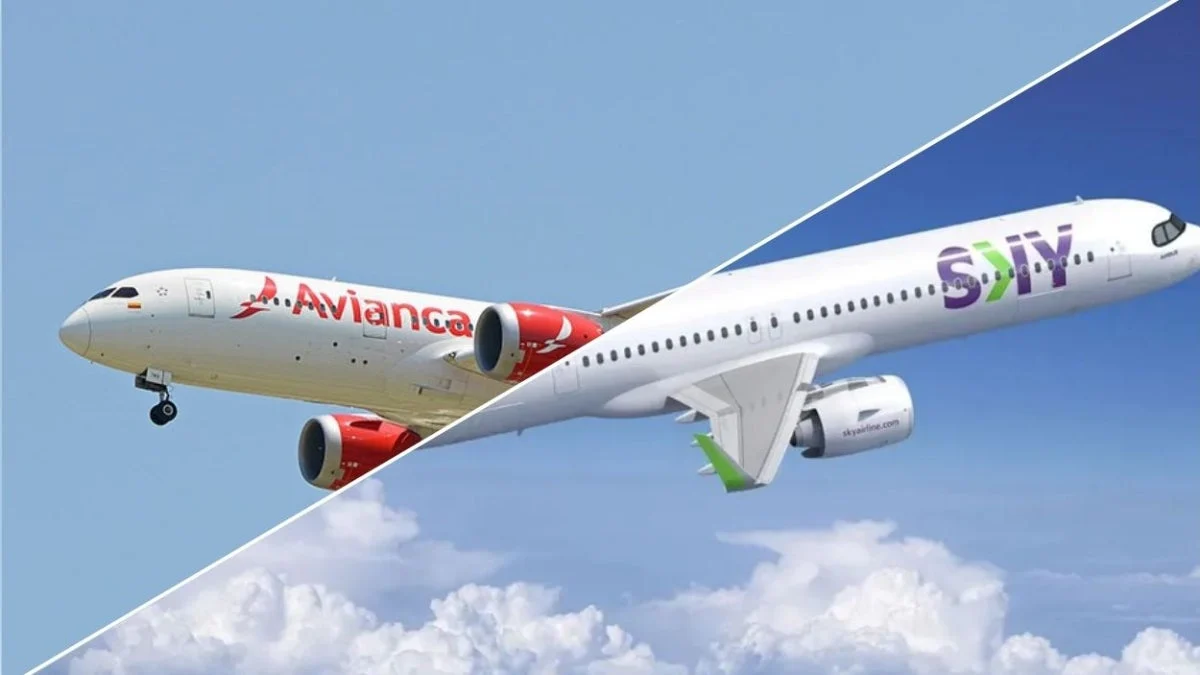
In a landmark decision for the South American aviation sector, the Peruvian competition authority, the National Institute for the Defense of Competition and Intellectual Property (Indecopi), has officially authorized the acquisition of Sky Airline by Abra Group Limited. The transaction, which brings the low-cost carrier under the corporate umbrella of the group that also controls Avianca, marks a pivotal shift in the regional airline landscape.
While the regulatory body determined that the merger would not significantly impede competition in critical corridors such as Lima-Miami and Cusco-Miami, the approval comes with specific, binding conditions aimed at protecting market fluidity and labor mobility.
The Core Verdict: A Strategic Regulatory Green Light
Following an exhaustive "Phase 2" investigation initiated in March 2026, Indecopi’s Commission for the Defense of Free Competition (CLC) concluded that the integration of Sky Airline into the Abra Group does not pose a substantial threat to the competitive dynamics of the Peruvian aviation market.
The evaluation process was rigorous. It scrutinized the structural characteristics of the industry, the competitive closeness between the two entities, and the "barriers to entry" for potential new players. The Commission ultimately found that, despite concerns regarding the concentration of flight paths between Peru and the United States, the market remains robust enough to absorb the merger without resulting in monopolistic practices that would harm consumers.
However, the regulator did identify potential anti-competitive pitfalls hidden within the fine print of the transaction documents. Specifically, the commission zeroed in on non-compete and non-solicitation clauses, which they deemed overly restrictive. By mandating that these clauses be modified to align with international standards of competition law, Indecopi has ensured that the acquisition does not stifle the broader regional market.
Chronology of the Acquisition Process
The journey toward this regulatory approval has been a multi-year effort characterized by meticulous oversight across various South American jurisdictions.
Phase 1: Initiation and Regional Alignment
The move to bring Sky Airline into the Abra Group fold was initially met with scrutiny from regional regulators. The process began with filings in key markets, most notably Chile and Brazil. The Fiscalía Nacional Económica (FNE) in Chile and the Administrative Council for Economic Defense (CADE) in Brazil provided the foundational approvals, setting a precedent that the merger could indeed foster greater regional connectivity.
Phase 2: The Peruvian Investigation
In March 2026, Indecopi escalated the review to a "Phase 2" investigation. This stage is reserved for transactions where initial assessments indicate potential complexity. The investigation focused on whether the combined market power of Avianca (via Abra) and Sky would disadvantage other carriers on high-traffic routes like Lima-Miami.
Phase 3: The Conditional Settlement
Throughout the second half of 2026, negotiations between the Abra Group and Indecopi centered on mitigating risks. By presenting a series of commitments, Abra Group successfully persuaded the CLC that they could operate within the Peruvian market while maintaining fair play. The official resolution, Resolution 203-2026/CLC-INDECOPI, serves as the final legal framework for this integration.
Decoding the Conditions: Why Non-Compete Clauses Matter
A critical aspect of the Indecopi ruling is the specific intervention regarding contractual clauses. Indecopi found that the original agreement between Abra and Sky included restrictive covenants that could have effectively "locked" the market.
Restricting the "Non-Compete" Scope
In legal terms, a non-compete clause prevents a seller or a key executive from entering into a similar business for a specific period. Indecopi argued that the initial terms were too broad, potentially preventing key talent or regional entities from challenging the new entity in the future. The authority has forced a reduction in both the temporal duration and the geographical scope of these agreements.
Protecting Labor Mobility
Similarly, the "non-solicitation" clauses—which prevent companies from hiring employees from the other party—were viewed as a potential mechanism to artificially depress labor competition in the aviation sector. By enforcing limitations on these clauses, Indecopi is protecting the rights of aviation professionals to pursue opportunities within the industry, thereby preventing a concentration of human capital that could limit the growth of smaller competitors.
Implications for the South American Aviation Market
The entry of Sky Airline into the Abra Group portfolio is more than just a corporate merger; it is a structural transformation.
1. Enhanced Regional Connectivity
Sky Airline has long been a dominant force in the "low-cost" segment of the Andes. By aligning with Abra Group, the airline gains access to a broader network, optimized fleet management, and shared operational costs. This is expected to lower ticket prices and increase flight frequencies between major hubs like Lima, Bogota, and Miami.
2. Market Consolidation vs. Consumer Choice
Critics often argue that airline consolidation leads to higher prices. However, the aviation industry, particularly in South America, has faced significant headwinds post-pandemic. The argument presented by the merging parties is that a larger, more efficient group is better equipped to withstand economic volatility and offer a more reliable service to the traveling public.
3. A Precedent for Future Mergers
This is the sixth transaction of this nature to be approved with conditions since the implementation of the Control of Corporate Concentration regime in June 2021. The decision demonstrates that Indecopi is evolving into a sophisticated regulator, capable of balancing the benefits of scale with the necessity of maintaining a competitive environment.
Official Responses and Next Steps
In a formal statement following the announcement, Sky Airline expressed satisfaction with the decision, labeling it an "essential milestone."
"The approval from Indecopi is a testament to the transparency and rigor with which this transaction has been handled," the airline noted. "We are now in the final stretch of the process. Our teams are working diligently to satisfy the specific conditions laid out by the regulator so that we can fully integrate our services and bring the benefits of this partnership to our passengers across Latin America."
Abra Group has also committed to full compliance. The group must now submit proof that the modified non-compete and non-solicitation clauses have been formally integrated into the definitive transaction documents. Failure to adhere to these conditions would, under Peruvian law, result in significant sanctions and could potentially jeopardize the entire acquisition.
Supporting Data and Regulatory Context
To understand the weight of this decision, one must look at the data surrounding the routes in question. The Lima-Miami corridor is one of the most lucrative and highly contested international routes departing from Peru. Before this merger, the competition was already intense, featuring legacy carriers and several low-cost entrants.
Indecopi’s analysis utilized proprietary data regarding:
- Passenger Traffic Volume: Current and projected demand for air travel between Peru and the U.S.
- Slot Availability: The capacity of Lima’s Jorge Chávez International Airport to accommodate new flights.
- Pricing Elasticity: How consumers react to price changes on these routes.
The conclusion that there is no "significant restriction" suggests that the Commission believes the presence of other established international carriers (such as LATAM and American Airlines) provides a sufficient "competitive check" on the Abra-Sky combination.
Conclusion: The Path Forward
The acquisition of Sky Airline by Abra Group is now a reality, albeit one bound by the regulatory guardrails of the Peruvian state. For the average traveler, the immediate impact may be subtle, but the long-term outlook is one of a more integrated, and potentially more efficient, aviation network.
As the industry continues to recover from the shocks of the early 2020s, the ability of companies to consolidate resources while remaining under the watchful eye of competition authorities will be the defining theme of the decade. With Indecopi’s latest ruling, the aviation sector in Peru has received a clear message: consolidation is permitted, but only when it serves the interests of a competitive, fair, and open market.
The final version of the resolution will be made public on the Indecopi website, providing further transparency into the legal reasoning and the specific nature of the modifications made. For now, the aviation world looks toward the official closing of the deal, marking a new chapter for both the Abra Group and the future of low-cost travel in the Americas.