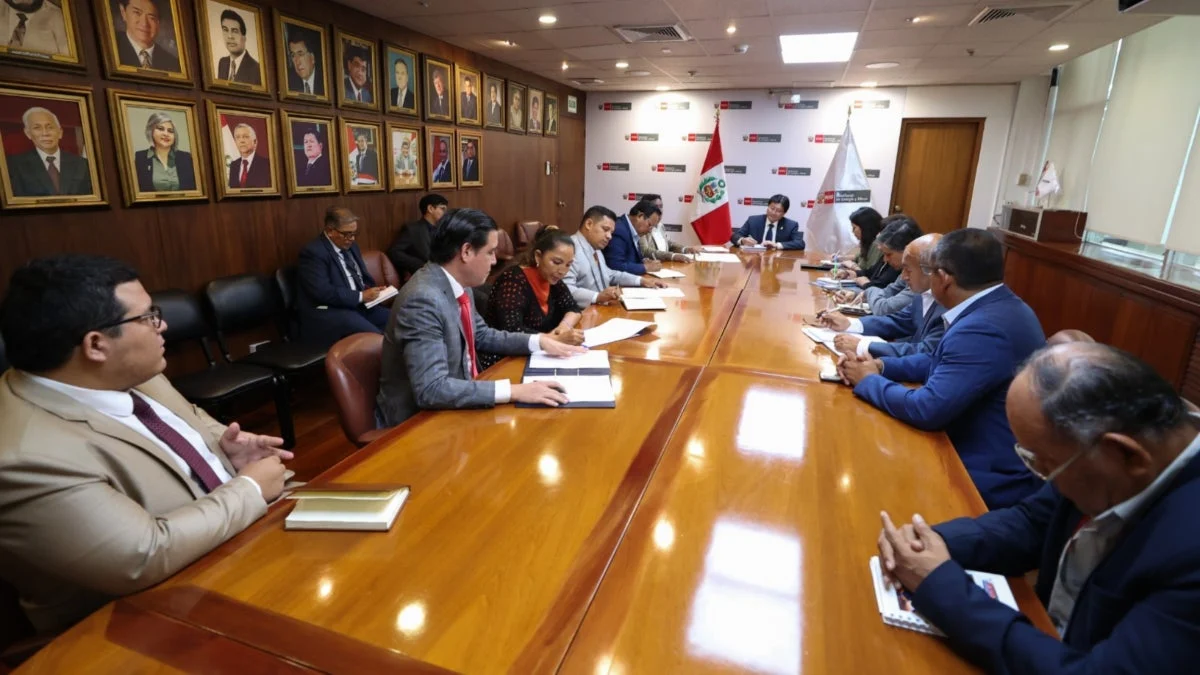
In a significant move aimed at streamlining its operational footprint and bolstering its financial health, the state-owned oil company Petroperú has successfully completed the first stage of its comprehensive asset liquidation program. Under the technical guidance and oversight of the Private Investment Promotion Agency (ProInversión), the company has successfully auctioned off two of its non-strategic real estate assets, marking a pivotal shift in the firm’s long-term restructuring strategy.
The auction, conducted via a sealed-bid process, serves as the inaugural phase of a broader plan to divest from properties that no longer contribute to the company’s core mission of refining, transporting, and commercializing hydrocarbons. By offloading these underutilized assets, Petroperú aims to reduce maintenance costs, improve liquidity, and refocus its capital expenditure on its primary industrial operations.
The Auction Results: Market Appetite for Non-Strategic Assets
The recent auction witnessed the successful sale of two properties that had previously languished as dormant assets within the company’s portfolio. The total value generated from the transaction reached USD 1,179,105.00, a figure that analysts suggest reflects a healthy market interest in prime real estate assets despite the current economic headwinds.
The "Chalet Paillardelle": A Historical Landmark
The most high-profile asset sold was the "Chalet Paillardelle," a property of significant historical value located in the affluent district of San Isidro, Lima. With a starting base price of USD 662,233.08, the property drew competitive interest, eventually being awarded for a final bid of USD 779,100.00. The acquisition of this property by a private investor signals the end of Petroperú’s ownership of a site that, while historically notable, had ceased to serve any functional purpose for the state-run energy giant.
The Ex-Petrocentro Cañete
In a display of strong market demand, the second asset, the former Petrocentro in Cañete, saw its valuation skyrocket during the bidding process. With an initial base price of USD 200,000.00, the property was eventually secured for USD 400,005.00—effectively doubling the expectations set by the valuation team. This result underscores the latent value residing in Petroperú’s vast, nationwide real estate portfolio, which has historically been under-monetized.
Chronology of the Restructuring Process
The road to this auction was not an overnight development; it is the culmination of months of technical analysis, legal review, and strategic planning by both Petroperú and the Ministry of Economy and Finance (MEF).
- Initial Strategic Review (Early 2024): Petroperú identified a surplus of real estate assets, including warehouses, offices, and residential properties, that were deemed non-essential to the company’s core industrial operations.
- Mandate to ProInversión: The government tasked ProInversión with the responsibility of managing the divestment process to ensure transparency, competitive pricing, and adherence to international best practices in public asset management.
- Asset Categorization: Properties were categorized based on their marketability, legal status, and potential for redevelopment, leading to the selection of the first group of four assets for the pilot auction.
- The Sealed-Bid Auction: The official event was conducted under strict procedural guidelines to prevent conflict of interest and ensure a fair valuation of the assets.
- Post-Auction Phase (Current): Following the successful awarding of the bids, the process has entered the administrative phase. This includes the formal signing of purchase agreements, the verification of funds, and the final transfer of property titles.
Supporting Data and Financial Context
The decision to auction these assets is inextricably linked to the broader financial challenges facing Petroperú. In recent years, the company has faced intense scrutiny regarding its debt levels and the operational costs of the Talara Refinery modernization project.
The monetization of assets is a standard corporate strategy for state-owned enterprises (SOEs) undergoing fiscal rehabilitation. By converting illiquid real estate into immediate cash, Petroperú can shore up its balance sheet. While the initial USD 1.17 million raised is a modest figure relative to the company’s massive total debt, the importance of this event lies in the precedent it sets. It demonstrates that the state is willing to take concrete, market-oriented steps to reorganize the company’s patrimony.
Furthermore, the "over-performance" of the assets—selling above the base price—provides a critical benchmark for future auctions. It suggests that the market is willing to pay a premium for Petroperú’s assets if the sales process is perceived as transparent and well-managed by an independent entity like ProInversión.
Official Responses and Stakeholder Perspectives
The government, through the Ministry of Economy and Finance and ProInversión, has framed this event as a hallmark of "professionalized state management."
"ProInversión will continue the process of monetizing other non-strategic real estate assets of Petroperú S.A. as part of the broader patrimonial and operational reorganization," the agency stated in an official release. The agency emphasized that the technical rigor applied to this auction is a requirement for all future divestment efforts, ensuring that state property is managed with the same level of care as private sector assets.
Industry analysts have generally lauded the move. Financial consultants tracking the energy sector noted that the auction provides much-needed signals to the markets that the Peruvian state is serious about reducing the "bloat" within Petroperú. By shedding real estate, the company is effectively trimming its administrative burden, allowing management to focus on its primary mandate: the reliable supply of energy products to the Peruvian market.
Implications for the Future of Petroperú
The success of this first auction carries significant implications for the future trajectory of the oil company.
1. Operational Streamlining
The primary implication is a leaner corporate structure. Petroperú has long been criticized for maintaining assets that distract from its core business. By systematically selling off land and buildings that do not contribute to refining or distribution, the company is moving toward a more efficient operational model.
2. Fiscal Discipline
The government is under pressure to ensure that Petroperú does not remain a constant drain on the national treasury. This monetization program serves as a tangible metric of fiscal discipline. Future auctions are expected to follow, and the ability to continue generating cash from these sales will be closely watched by credit rating agencies and international lenders.
3. Market Confidence
The transparency of the ProInversión-led process is crucial for long-term investor confidence. When state assets are sold through competitive, open auctions rather than private negotiations, it mitigates risks of corruption and ensures that the state receives fair market value. This reinforces the rule of law and the stability of the business environment in Peru.
4. Continued Divestment Pipeline
The auction of these two properties is only the beginning. Sources within the ministry indicate that a larger list of assets is being prepared for upcoming auctions. This pipeline approach suggests that the monetization of non-strategic assets is not a one-off event but a sustained policy commitment.
Conclusion
The auction of the "Chalet Paillardelle" and the former Petrocentro in Cañete marks a definitive turning point for Petroperú. While the assets themselves are relatively minor in the context of the company’s total industrial capacity, the symbolic and structural importance of this event cannot be overstated. By leveraging the expertise of ProInversión to convert dead capital into active financial resources, Petroperú is signaling a transition toward a more accountable, efficient, and market-responsive entity.
As the company proceeds with its reorganization, the success of this initial phase provides a blueprint for future divestments. For the stakeholders of Petroperú and the citizens of Peru, this process represents a necessary step toward stabilizing the national energy sector and ensuring that the state-owned enterprise can operate on a more sustainable financial footing in the years to come.