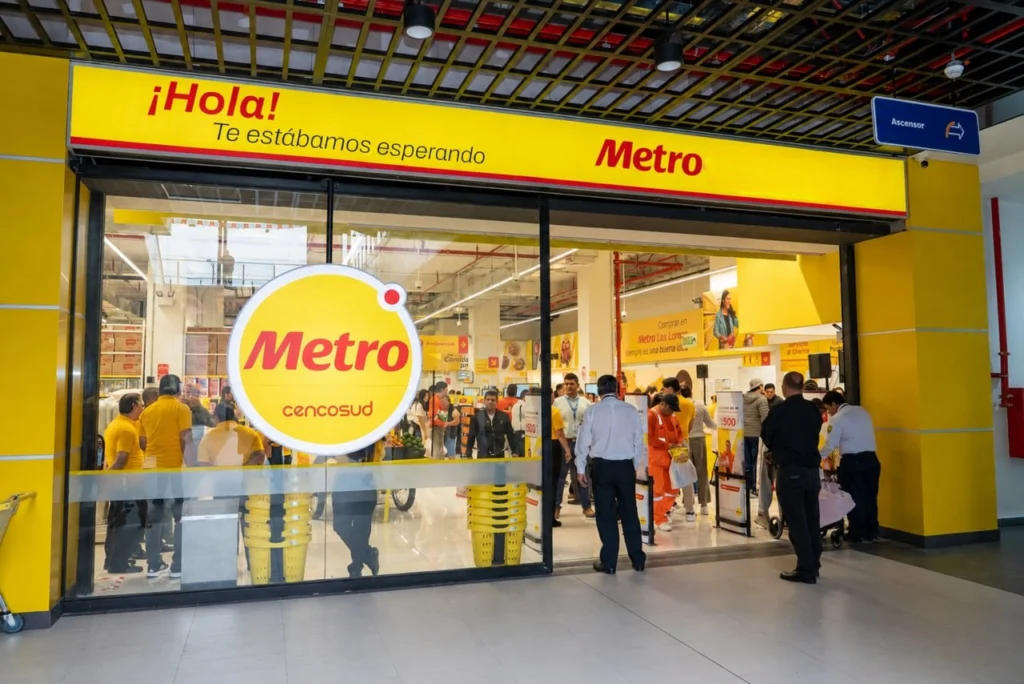
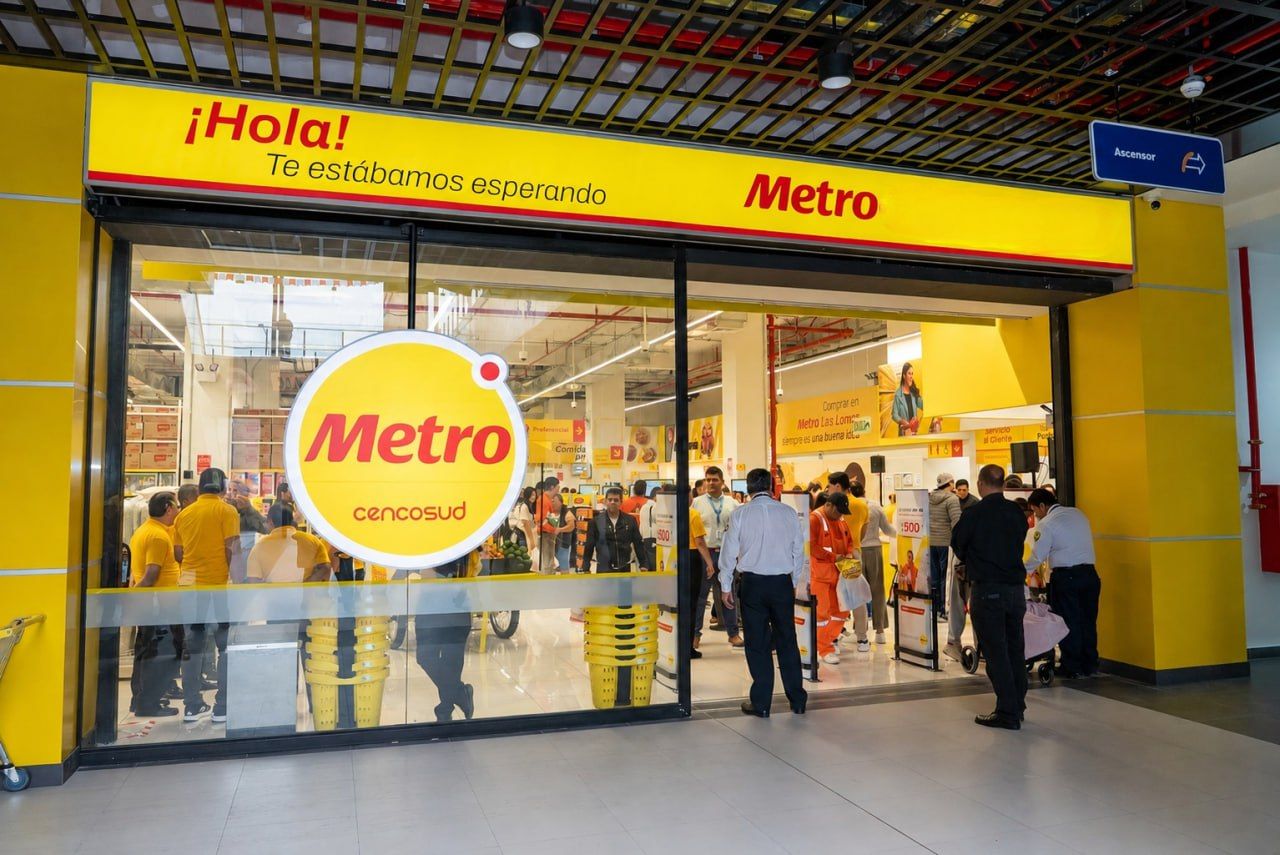
In a strategic move to solidify its dominance in the Peruvian retail sector, Cencosud—the multinational retail giant—has officially inaugurated a new Metro supermarket. This opening marks a significant milestone for the company, bringing its total count of Metro-branded stores in Peru to 69. The new establishment is strategically situated within the Lomas Plaza strip center in the Rímac district, a location chosen specifically to cater to the burgeoning population of the Altos and Lomas del Rímac residential complexes.
This expansion is not merely a quantitative increase in the number of stores; it represents a calculated effort by Cencosud to deepen its market penetration by aligning its physical infrastructure with high-density, rapidly growing urban development projects.
Main Facts: A New Hub for Retail Convenience
The new Metro store in Rímac represents a modern approach to community-based retail. Spanning a significant footprint within the Lomas Plaza development, the supermarket is designed to be a "one-stop shop" for residents of one of the most prominent social housing projects in the country.
The store’s interior is organized to prioritize convenience and efficiency. Key features include:
- Fresh Food Departments: A robust selection of fresh produce, including locally sourced fruits and vegetables, and a high-quality meat section.
- Prepared Foods and Bakery: Dedicated areas for ready-to-eat meals and artisanal bakery products, catering to the busy lifestyles of urban families.
- Sustainable Infrastructure: Reflecting Cencosud’s commitment to ESG (Environmental, Social, and Governance) goals, the store is equipped with 100% LED lighting, high-efficiency refrigeration systems, and advanced water-saving technology, significantly reducing the carbon footprint compared to legacy retail formats.
By integrating these features, Cencosud is positioning the new Metro as an essential service provider that blends accessibility with modern retail standards.
Chronology: The Evolution of Cencosud’s Peruvian Strategy
Cencosud’s presence in Peru has been characterized by consistent, long-term investment. To understand the significance of this 69th opening, one must look at the company’s trajectory in the region:
- Early Market Entry: Cencosud entered the Peruvian market with a clear objective of becoming a leader in the supermarket segment. Through a combination of organic growth and strategic acquisitions, they quickly established the Metro brand as a household name synonymous with accessibility and price-conscious shopping.
- Portfolio Diversification: Over the last decade, the company has expanded beyond traditional supermarkets, exploring smaller formats and strip centers. The integration of Metro into the Lomas Plaza project in Rímac is the culmination of this strategy, moving away from large, isolated hypermarkets toward retail hubs integrated directly into residential developments.
- Strategic Consolidation (2023–2024): Following a period of global economic volatility, Cencosud focused on operational efficiency. The opening of the Rímac store signifies a return to aggressive expansion, focusing on underserved residential areas where the demand for modern retail is high.
- Current Milestone: The launch of the 69th store in 2024 reinforces the company’s confidence in the Peruvian economy. This event follows recent internal initiatives to streamline supply chains and optimize store layouts, ensuring that each new opening contributes positively to the company’s EBITDA.
Supporting Data: Economic and Social Impact
The retail sector in Peru is a primary driver of employment and local economic development. Cencosud’s latest opening provides several tangible benefits to the Rímac community:
Employment Generation
The creation of new positions at the Metro store is a vital boost to the local labor market. Beyond the direct hiring of store staff, the project stimulates indirect employment in the surrounding service ecosystem, including logistics, security, and cleaning services.
Urban Development
The Lomas Plaza strip center is a cornerstone of the Lomas del Rímac development. By placing a major retailer at the center of this project, Cencosud helps stabilize the area’s economic ecosystem. Statistics from urban planning sectors indicate that the arrival of a major supermarket chain in a developing residential zone typically increases property values and attracts secondary commercial entities, such as pharmacies, cafes, and service centers, creating a "multiplier effect" for the local economy.
Sustainability Metrics
Cencosud has reported that the shift to LED lighting and eco-friendly refrigeration is part of a broader corporate initiative to reduce electricity consumption by 15–20% per store compared to 2015 benchmarks. In a country where energy efficiency is becoming increasingly important for operational cost management, these infrastructure choices are as much a fiscal necessity as they are an environmental one.
Official Responses and Corporate Vision
Fernando Ureta Vicuña, Country Manager for Cencosud Peru, provided insight into the motivation behind this expansion during the ribbon-cutting ceremony.
"The opening of Metro Las Lomas reflects our confidence in the future of Peru and our commitment to continue growing alongside its communities," Ureta stated. He emphasized that the company’s strategy is rooted in a "customer-centric" philosophy. "We want to be closer to families, offering them a modern, convenient, and accessible shopping experience. Our goal is not just to sell products, but to serve as a cornerstone for local development, job creation, and the fulfillment of our purpose to serve in every moment."
This official stance highlights that Cencosud is actively moving away from the "big box" mentality toward a more localized, community-integrated approach. The focus on "extraordinary service" indicates a pivot toward customer loyalty as a primary competitive advantage in a market increasingly saturated by discount retailers and digital delivery platforms.
Implications for the Future of Peruvian Retail
The opening of the 69th Metro store holds several implications for the broader Peruvian retail landscape:
1. The Rise of the Strip Center Model
The success of the Lomas Plaza partnership suggests that the future of supermarket growth in Peru lies in hybrid developments. Retailers are increasingly seeking to be "anchors" in mixed-use developments rather than standalone entities. This minimizes the risk associated with finding viable real estate and maximizes foot traffic by being situated exactly where consumers live.
2. Heightened Competition
Cencosud’s continued expansion forces competitors, such as Supermercados Peruanos (Plaza Vea) and Falabella (Tottus), to reassess their own expansion strategies. With Cencosud also accelerating its "Don Salva" small-format stores, the retail giant is effectively attacking both ends of the market: the large-format community hub (Metro) and the neighborhood discount convenience store (Don Salva).
3. Digital and Physical Synergy
While the focus is on a physical store, the integration of modern inventory management systems in the new Rímac location suggests that this store will also function as a fulfillment node for Cencosud’s digital platforms. The ability to handle "click-and-collect" orders and local deliveries from the store floor is a standard requirement for modern retail, and the new Rímac branch is built to accommodate these omnichannel demands.
4. Economic Resilience
Despite inflationary pressures and shifting consumer habits in Peru, the retail sector remains a barometer for middle-class growth. Cencosud’s decision to open a large-format store in a social housing hub suggests that the company identifies a resilient middle-class consumer base in the Rímac district, capable of sustaining long-term growth.
Conclusion
The launch of the 69th Metro supermarket is a testament to Cencosud’s strategic agility. By prioritizing location, sustainability, and community integration, the company is not only expanding its physical footprint but also strengthening its brand equity within the Peruvian market. As the Lomas Plaza location begins operations, it serves as a blueprint for how large retailers can harmonize their corporate growth objectives with the infrastructural needs of a developing, modernizing urban population.
For the residents of Rímac, the new store represents more than just a place to shop; it is an indicator of the area’s ongoing economic development and a promise of improved access to quality goods and employment opportunities. For Cencosud, it is another step toward maintaining its status as a foundational pillar of the Peruvian retail economy.