Executive Summary: A Record-Breaking Tenure
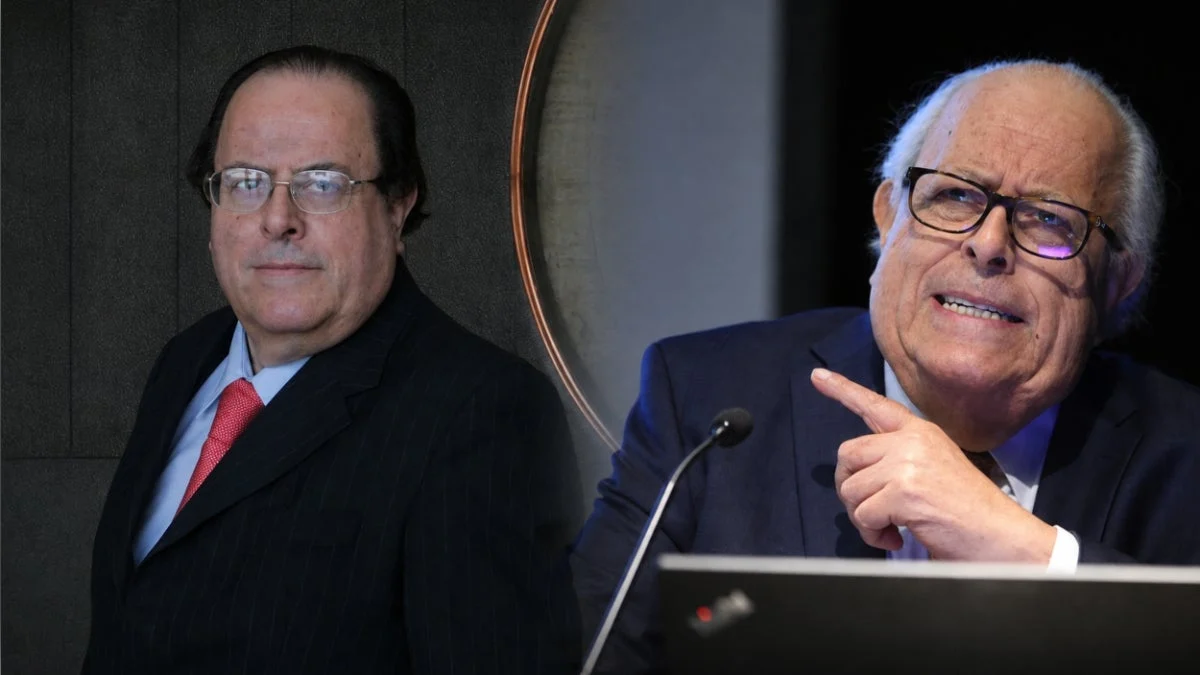
In a move that underscores the Peruvian government’s commitment to institutional stability, Julio Velarde has been officially confirmed for a fifth consecutive term as the Governor of the Central Reserve Bank of Peru (BCRP). This appointment secures his position until 2031, effectively positioning him to complete 25 years at the helm of the nation’s most prestigious financial institution.
For a nation that has weathered significant political turbulence over the last two decades, Velarde’s continuity serves as a vital anchor for international investors and domestic markets alike. However, as the 74-year-old economist begins his new mandate, he faces a multifaceted macroeconomic landscape defined by stubborn inflationary pressures, the looming threat of climate-driven supply shocks, and a global geopolitical environment that continues to strain energy costs.
The Chronology: Two Decades of Institutional Resilience
Julio Velarde’s journey with the BCRP began in September 2006, when he was appointed by then-President Alan García. Since that time, he has become a symbol of technical independence, surviving and steering the economy through a dizzying array of presidential administrations, ranging from Ollanta Humala and Pedro Pablo Kuczynski to Pedro Castillo and the current administration of Keiko Fujimori.
A Timeline of Crisis Management:
- 2006–2010: Velarde navigates the Peruvian economy through the global financial crisis of 2008–2009, maintaining credit flow despite external turmoil.
- 2011–2015: Managing the tail-end of the commodity boom while establishing the BCRP’s reputation as one of the world’s most proactive inflation-targeting central banks.
- 2016–2020: Guiding the financial system through the COVID-19 pandemic, implementing unprecedented liquidity measures to prevent a systemic collapse.
- 2021–2025: Steering the ship through the global post-pandemic inflationary surge and domestic political instability.
- 2026–2031: A new chapter focusing on restoring price stability and navigating the potential impacts of the El Niño phenomenon.
If he completes this term, Velarde will set an unprecedented record in the history of the Peruvian central bank, marking a quarter-century of continuous leadership.
Supporting Data: The Inflationary Challenge
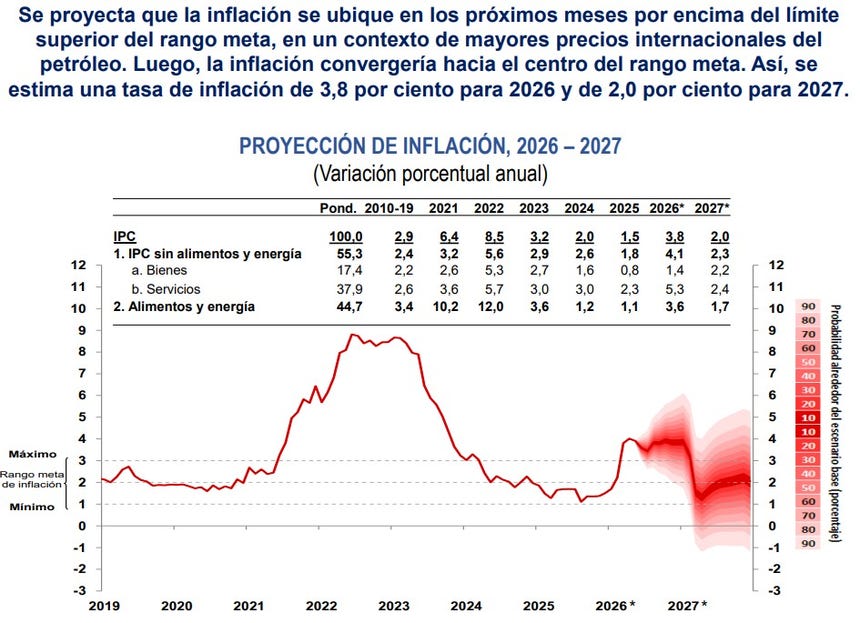
The primary mandate of the BCRP is to preserve price stability, keeping inflation within a target range of 1% to 3%. Currently, this goal is under significant pressure. As of mid-2026, the year-on-year inflation rate sits at 4.1%, with core inflation—which excludes volatile food and energy prices—reaching 4.6%.
Key Indicators:
- Inflation Forecast: The BCRP projects inflation to close 2026 at approximately 3.8%, with a gradual return to the 2% target not expected until 2027.
- Expectations: Market expectations for inflation 12 months out have breached the ceiling of the target range, currently sitting at 3.01%.
- The "Tax on the Poor": Velarde has frequently emphasized that high inflation functions as an "impuesto a los pobres" (a tax on the poor), as it disproportionately erodes the purchasing power of the most vulnerable segments of the population.
The surge in prices is largely attributed to supply-side shocks. Geopolitical tensions, particularly the ongoing conflict involving the United States and Iran, have kept global oil prices elevated. This has created a cascading effect, driving up transportation costs and logistics, which eventually pass through to the final prices of consumer goods and services.
Policy Stance: The "Wait and See" Strategy
In response to these pressures, the BCRP’s board has maintained the reference interest rate at 4.25% for 12 consecutive months as of August 2026. This "cost of money" remains a critical tool for the institution.
By keeping rates at this level, Velarde is attempting to balance the need to curb inflationary expectations without inadvertently stifling the nascent economic recovery. During the selection process earlier this year, Velarde hinted that the prospect of improved macroeconomic management and a potential recovery in the economy were the primary factors in his decision to accept another term. He openly criticized the lack of consistent macroeconomic management in the preceding five years, signaling that his new term would focus on rebuilding fiscal and monetary discipline.
The Looming Shadow of El Niño
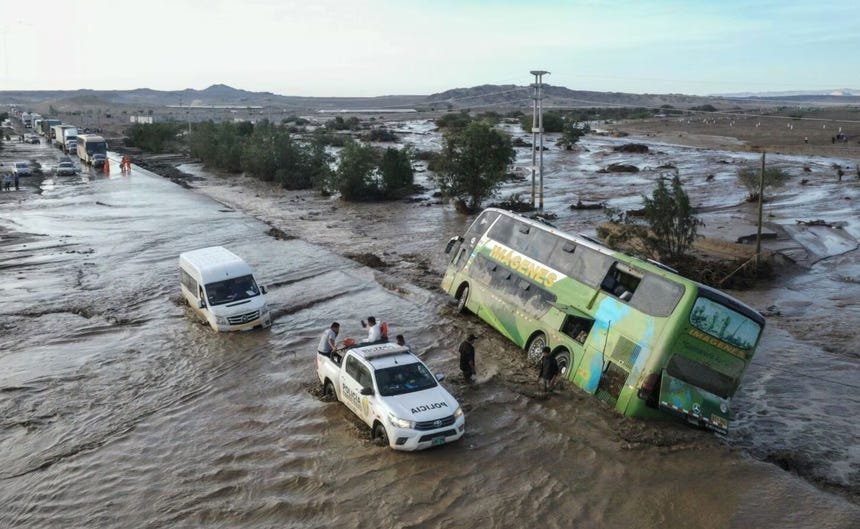
Beyond monetary policy, Velarde faces a significant exogenous threat: the El Niño phenomenon. The BCRP’s June inflation report incorporated a "strong" Coastal El Niño scenario into its baseline projections.

This climate event presents a dual challenge for the central bank:
- Supply-Side Shocks: A strong El Niño is expected to disrupt agricultural production and fishing sectors, potentially causing local food prices to spike and further complicating the effort to return to the 2% target.
- Economic Drag: While the BCRP projects a record trade surplus of US$49.393 billion for 2026, it warns that this figure is likely to contract in 2027 as climate-related disruptions impact exports.
Velarde must, therefore, maintain a policy stance that is flexible enough to manage both a potential cooling of production and the persistent pressure on the consumer price index.
Official Perspectives and Implications
The decision to retain Velarde is viewed by the international financial community as a "safety signal." His presence is associated with the credibility of the Sol, Peru’s currency, which has remained one of the most stable in Latin America despite the country’s volatile political history.
The Institutional Implications:
- Credibility: By keeping a central banker with global recognition, the government aims to keep credit ratings stable and maintain the confidence of foreign institutional investors.
- Independence: The challenge for the next five years will be the protection of the BCRP’s autonomy. In a political environment that often seeks populist solutions to economic problems, Velarde acts as a institutional firewall.
- Structural Reforms: While monetary policy is his domain, Velarde’s continued leadership implies a push for structural reforms that foster productivity. As he noted in previous public appearances, the growth of the last five years was stifled by administrative inefficiency and a lack of clear economic direction.
Conclusion: The Road Ahead
Julio Velarde’s fifth term is not merely a continuation of the status quo; it is a transition into a new, high-stakes era for Peru. With the inflation target missed for several consecutive months and the climate outlook darkening, the margin for error is razor-thin.
However, his track record suggests a pragmatist who understands that economic stability is the bedrock of democracy. As he eyes his 25th anniversary at the bank, the "architect of the Sol" faces perhaps his most difficult task yet: guiding the economy through a period of high global tension and domestic climate risk, while ensuring that the gains made in poverty reduction over the last two decades are not undone by the erosion of the currency’s value.
For the people of Peru, the message of the 2026-2031 mandate is clear: the country’s monetary policy remains in the hands of a veteran who prioritizes technical accuracy over political convenience, a necessary, if difficult, path for the years to come.