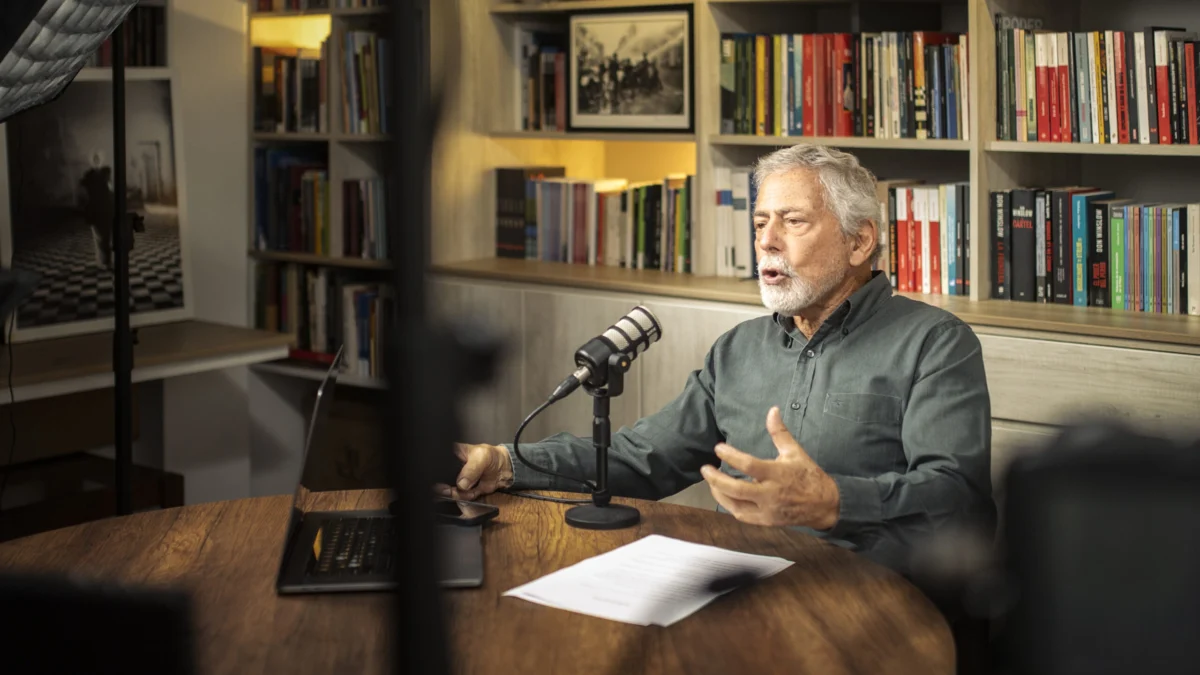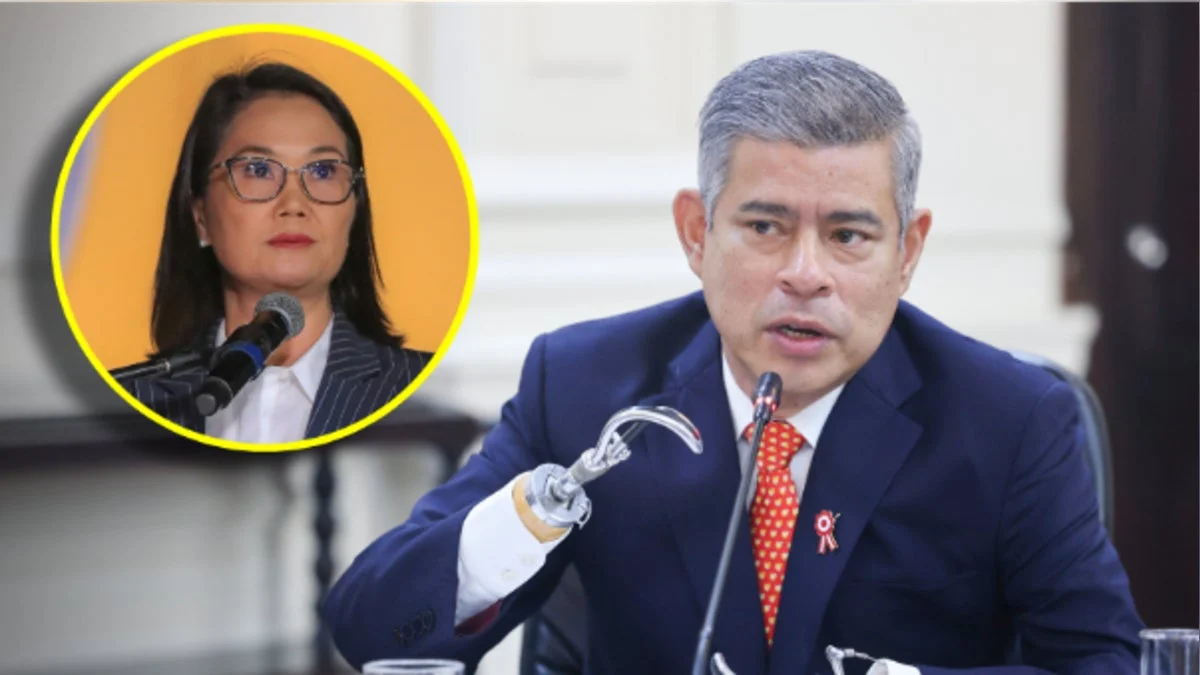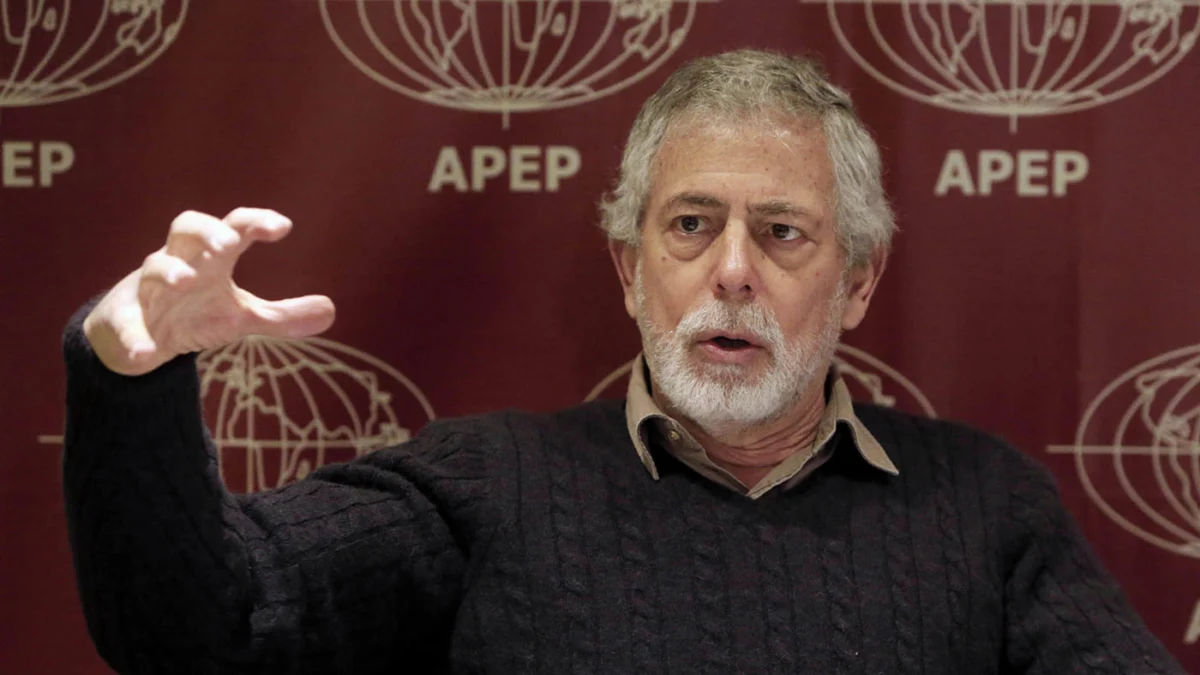
This article is a reproduction and expansion of the analysis originally published by Carlos Dada, director of the Salvadoran investigative outlet El Faro, on July 23, regarding the orchestrated attacks against Peruvian journalist Gustavo Gorriti.
The oldest trick in the playbook of the corrupt is as predictable as it is malicious: when caught in the act, invert the narrative and turn the accusing finger toward those who exposed you. In Peru, this strategy has evolved from mere political rhetoric into a systematic, state-sponsored apparatus of intimidation aimed at dismantling the country’s most rigorous investigative journalism.
The latest developments in the campaign against Gustavo Gorriti, founder and director of IDL-Reporteros, mark a dangerous escalation. For the first time, a congressional commission has formally recommended the criminalization of a journalist for the "crime" of investigating and exposing the local tentacles of the Odebrecht-Lava Jato corruption scandal. While the accusations are legally hollow and procedurally viciated, they represent a chilling shift in how power operates in Lima: the transition from attacking the press in the media to weaponizing the legislature to destroy it.
The Target: A Legacy of Courage
Gustavo Gorriti is not a novice in the face of state-sponsored hostility. Recognized internationally as a World Press Freedom Hero by the International Press Institute, Gorriti has spent over four decades exposing the deepest fissures of power in Latin America. His career is a testament to the resilience of the press in the face of authoritarianism.
During the 1990s, Gorriti was kidnapped by a military commando acting under the direct orders of then-President Alberto Fujimori. His near-disappearance became a defining moment in the human rights struggles of the era, eventually serving as a key pillar in the prosecution that led to Fujimori’s 25-year prison sentence. That Gorriti—having survived the darkest years of the Fujimori regime—is once again the target of the same political movement speaks volumes about the persistence of the actors involved. Alongside his managing editor, Romina Mella, and the team at IDL-Reporteros, Gorriti has maintained a standard of excellence that has consistently rattled the foundations of the Peruvian political establishment.
Chronology of an Orchestrated Campaign
1. The Exposure: Uncovering the Odebrecht Network
The current crusade against IDL-Reporteros began when the team meticulously mapped the web of corruption surrounding the Brazilian construction giant Odebrecht in Peru. Their findings implicated a broad spectrum of the political elite, including the inner circle of former President Alan García and the congressional bloc led by Keiko Fujimori. By documenting how public contracts were manipulated for personal gain, the team triggered a series of judicial investigations that threatened to dismantle the impunity enjoyed by the political class for decades.
2. The Weaponization of the Congress
The Peruvian Congress, which has been the primary bastion for Keiko Fujimori’s political movement for over a decade, reacted with institutional hostility. Utilizing their legislative majority, Fujimori’s allies transformed the halls of Congress into a tribunal against the press. The objective: to discredit the investigations by attacking the investigators.
The turning point occurred with the emergence of Jaime Villanueva, a former advisor to the Attorney General’s Office. Following his arrest in a separate corruption probe, Villanueva sought a plea deal, offering testimony that accused Gorriti and key special prosecutors of conspiring against Fujimori and her allies. Despite the lack of evidence—and the fact that his claims have been systematically debunked—the "Villanueva narrative" became the foundational myth used by the legislative commission to call for criminal proceedings against the journalists.
3. The Muñante Commission and the Formal Assault
The charge to criminalize Gorriti is currently led by Deputy Alejandro Muñante, a member of the Renovación Popular party. The party’s leader, Rafael López Aliaga—the former Mayor of Lima—has been a vocal antagonist, utilizing public platforms to launch aggressive insults against Gorriti and, in several instances, explicitly calling for his death. This legislative push, characterized as "ideological falsehood" and "trafficking of influence," is a thin veil for a broader effort to silence the only entity capable of holding these figures accountable.
Supporting Data: The Anatomy of a Smear
In 2024, the Latin American Center for Investigative Journalism (CLIP) published an extensive report documenting the architecture behind the attacks on IDL-Reporteros. The investigation revealed that the harassment is not a series of isolated events but a coordinated ecosystem.
The findings highlight a "triad" of aggression:
- The Media Arm: Programs on Willax TV, owned by businessman Erasmo Wong (who is himself implicated in the corruption probes uncovered by IDL), serve as the primary source for disinformation.
- The Political Arm: Congressional allies of Fujimori and López Aliaga amplify these falsehoods, turning them into official parliamentary requests for "investigations" into the journalists.
- The Street Arm: Coordinated groups of "trolls" and physical protesters are deployed to the offices of IDL-Reporteros and the private residence of Gustavo Gorriti, creating an environment of perpetual fear and insecurity for the staff.
Implications: A Test for the Incoming Executive
As Keiko Fujimori prepares to assume the presidency, the political landscape in Peru stands at a precarious juncture. Following a contentious and tight election, Fujimori has attempted to pivot her rhetoric, promising a "government of unity" composed of technocrats rather than party militants.
However, the international community and human rights organizations are watching closely. The true test of her administration’s commitment to democratic norms will not be found in her speeches, but in her actions regarding the state’s relationship with the press. The cessation of hostilities against Gorriti, Mella, and IDL-Reporteros is the litmus test for whether her government will respect the rule of law or continue the authoritarian trajectory of her political predecessors.
The Broader Context: Journalism as the Final Barrier
The struggle in Peru is a microcosm of a regional trend in Latin America, where democratic institutions are being eroded from within by those who hold power. When journalists are treated as criminals, the democratic contract is effectively severed.
The solidarity expressed by hundreds of journalists worldwide for the IDL-Reporteros team is a recognition that the attack on Gorriti is an attack on the public’s right to know. As history has demonstrated—and as the Fujimori family should know better than anyone—corruption may yield short-term power, but it rarely survives the scrutiny of a free and fearless press.
Those who seek to silence the truth are always situated on the opposite side of history from those who champion justice. As the new administration takes the helm in Lima, it faces a fundamental choice: to govern in the shadows or to allow the light of independent journalism to shine on the institutions it intends to lead. For the sake of Peru’s future, one hopes for the latter, though the history of the current political class suggests a difficult road ahead. The world remains watching, and the documentation of these abuses continues, ensuring that no act of repression goes unrecorded.