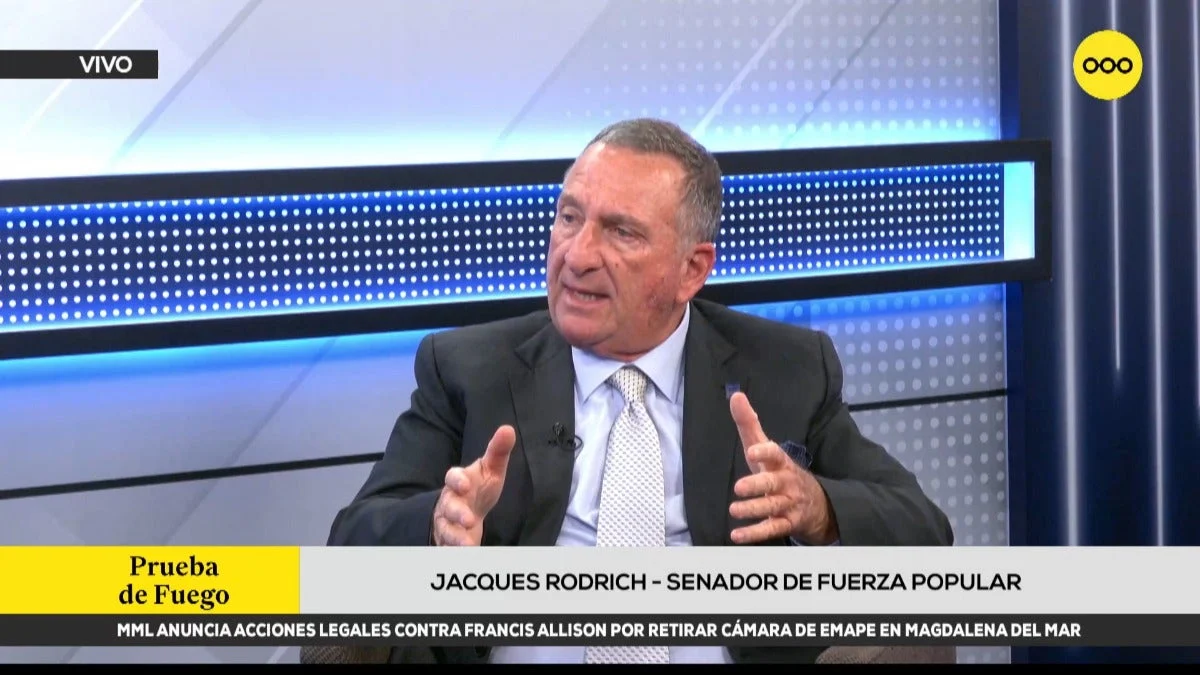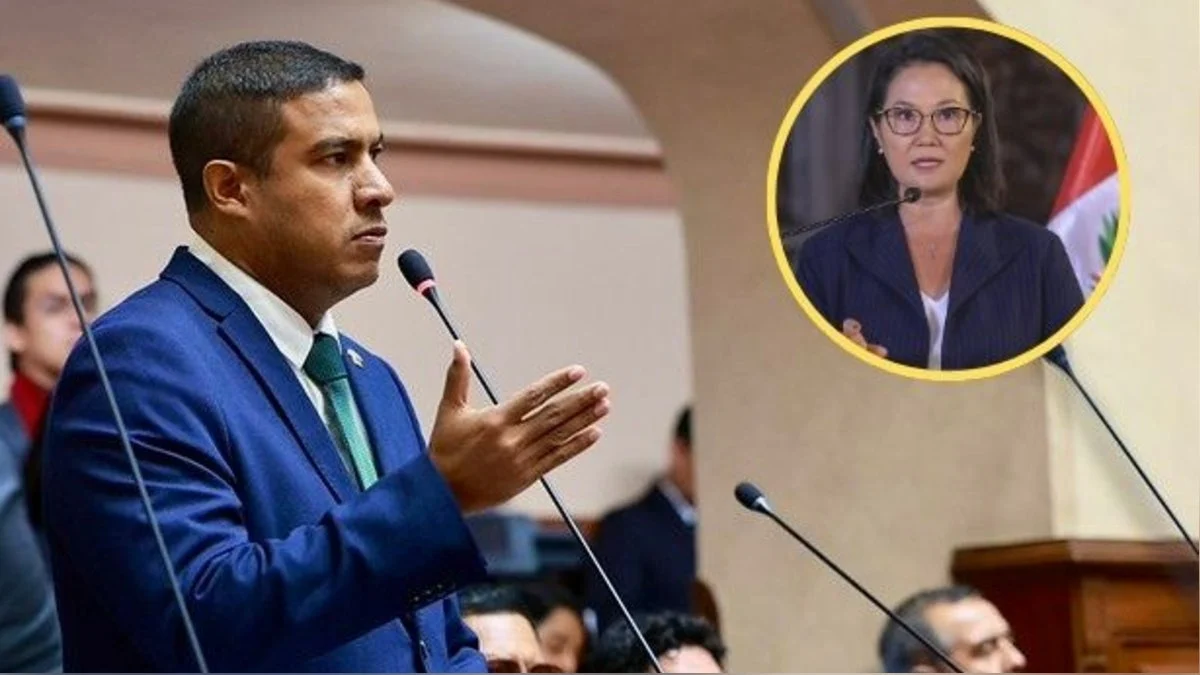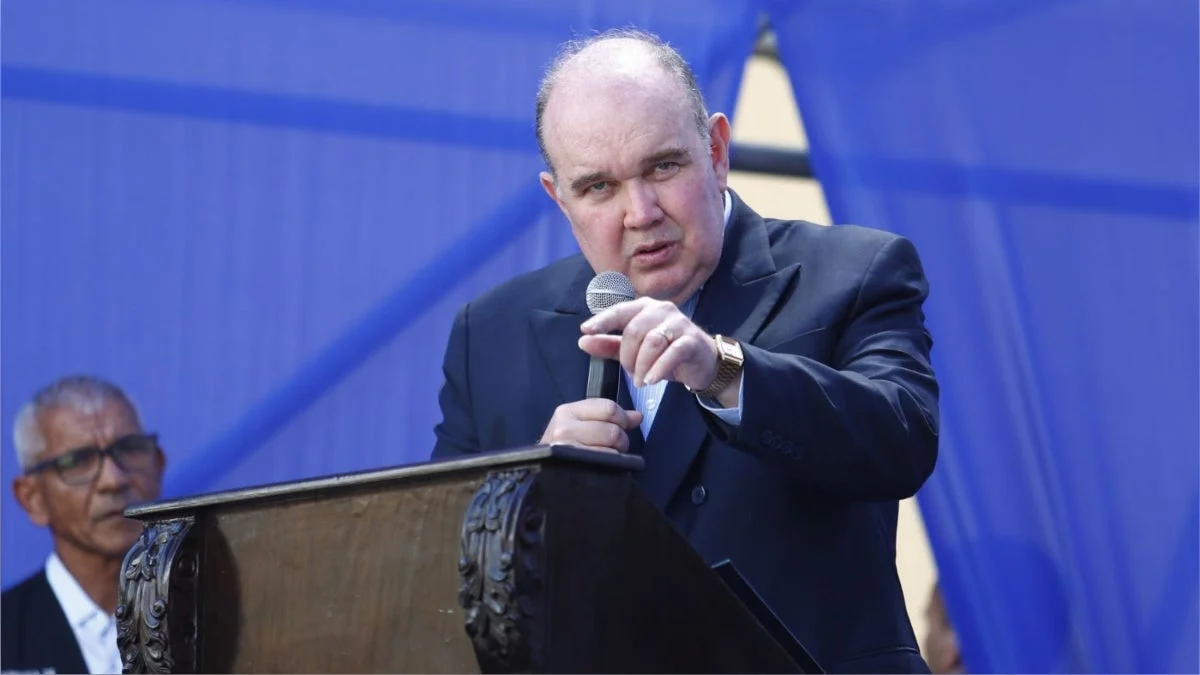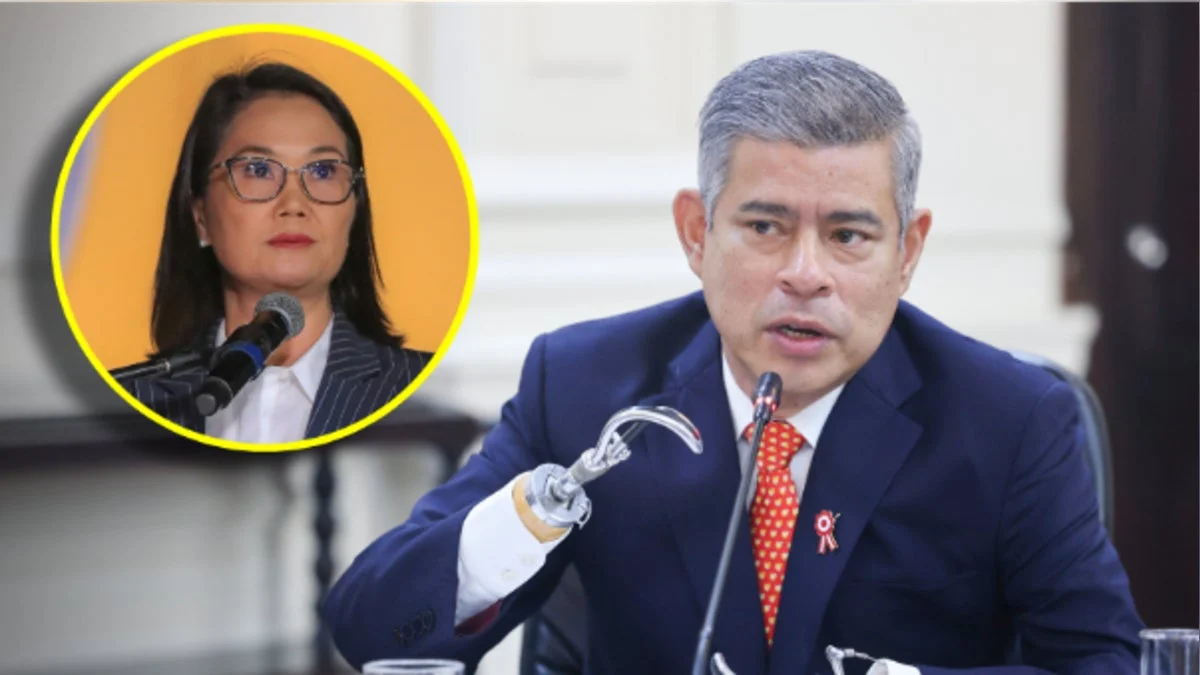
In a week marked by intense media scrutiny and political maneuvering, the President of the Council of Ministers (PCM), Luis Galarreta, has emerged as the primary voice of the Executive branch to deflect a series of controversies. From alleged proximity to foreign businessmen under legal investigation to questions surrounding the hiring practices of his spouse, Galarreta has adopted a defiant stance, framing the criticism as a coordinated attempt to destabilize the administration of President Keiko Fujimori.
As the government seeks to solidify its agenda, the Prime Minister’s recent declarations serve as a crucial window into the current state of the Executive, revealing a administration struggling to balance policy implementation with the persistent weight of investigative journalism and internal friction.
1. Main Facts: The Nexus of Controversy
The current political storm centers on three distinct but converging issues: the alleged influence of Argentine businessman Damián Valenzuela within the Presidential circle, the professional activities of María Alzamora Carrillo (Galarreta’s wife) within the legislative branch, and rumors of deep-seated "factions" within the Cabinet.
Reports from the weekly publication Hildebrandt en sus Trece have alleged that Damián Valenzuela, a director at Latin America Invest, has maintained an inappropriately close proximity to President Keiko Fujimori. The reports highlight coincidental sightings at a private spa in the district of Santa Catalina, as well as Valenzuela’s presence at high-profile government events, including the July 28th presidential inauguration and the subsequent state dinner.
Simultaneously, La Encerrona has brought public attention to the employment of María Alzamora Carrillo, the Prime Minister’s wife, in the office of congresswoman Ana Patiño. The controversy centers on the perception of nepotism and the optics of having high-ranking officials’ family members embedded within the parliamentary structure, even if Galarreta asserts that no formal legal barriers were breached.
2. Chronology of Events
To understand the current tension, one must look at the timeline of events that have led to the current state of public inquiry:
- Pre-2024: María Alzamora Carrillo establishes a long-term professional relationship with the legislative sphere, having worked with Dr. Hildebrandt and later collaborating with then-congresswoman Ana Patiño.
- July 28, 2024: The inauguration of President Keiko Fujimori takes place. Reports confirm the presence of Damián Valenzuela at official ceremonies and the gala, raising questions regarding his access to the inner circle.
- Early September 2024: Investigative outlets begin publishing findings regarding Valenzuela’s legal history in the United States, specifically citing five civil suits in Florida related to allegations of fraud.
- Mid-September 2024: The media shifts focus to the professional career of the Prime Minister’s wife, questioning the independence of her current role in the Congressional office of Ana Patiño.
- Present Week: Prime Minister Galarreta launches a public media offensive, granting interviews to outlets like Perú21 to categorize the allegations as "invented" and "novelas" (soaps operas) designed to undermine the Fujimori administration.
3. Supporting Data and Legal Context
The scrutiny surrounding Damián Valenzuela is not merely political; it is tethered to a documented legal history. According to international court records, Valenzuela Mayer is a defendant in five separate civil lawsuits within the Florida court system. These claims, lodged by both corporate entities and private individuals, center on allegations of financial fraud.
While the Executive branch maintains that Valenzuela has no formal contract or official capacity within the government, the optics of such a figure appearing at the seat of power has provided fodder for critics. Galarreta has admitted to meeting Valenzuela on four separate occasions, describing them as brief, circumstantial encounters rather than policy-defining consultations.
Regarding the hiring of María Alzamora Carrillo, the official defense rests on the argument of "legal compliance." Galarreta argues that his wife’s employment predates his current tenure as Prime Minister and that she possesses the technical qualifications—including experience at the Ministry of Agrarian Development and Irrigation (Midagri)—to merit her position. He maintains that because he is currently on leave from his seat in the Andean Parliament, there is no conflict of interest under existing Peruvian labor regulations for public servants.
4. Official Responses and the "Galarretista" Myth
Prime Minister Galarreta has been explicit in his rejection of the "factions" narrative. Rumors have persisted that the Cabinet is divided between loyalists of the President of the Senate, Miguel "Miki" Torres, and those aligned with the Prime Minister himself.
The "Brotherhood" Defense
Galarreta addressed these rumors with a sense of informal camaraderie, referring to Torres as a "younger brother." He expressed amusement at the term "Galarretismo," comparing it to historical factions in parties like the APRA. "There is no Galarretismo," he insisted. "There is only a government led by President Keiko Fujimori."
Clarification on Ministerial Autonomy
The Prime Minister also sought to clarify recent public disagreements between cabinet members, specifically regarding the future of the Lugar de la Memoria (LUM). When Minister of Justice Ernesto Álvarez and Minister of Culture Alberto Beingolea offered conflicting views on the LUM’s administration, the media interpreted this as a sign of internal weakness. Galarreta countered by emphasizing that the Cabinet is not a "convent or a barracks." He clarified that while he expects ministers to remain disciplined regarding their specific portfolios, the expression of individual opinion is part of a healthy, functioning political cabinet.
5. Implications for the Fujimori Administration
The implications of these controversies are multi-layered:
A. Governance vs. Optics: The administration is currently fighting a war on two fronts: one for substantive policy success and one for public perception. By dismissing valid questions about access and nepotism as "invented," the administration risks appearing detached from the public’s demand for transparency.
B. The "Sarratea" Parallel: The Prime Minister’s specific mention of the "Sarratea" case—referring to the clandestine meetings that plagued the administration of Pedro Castillo—highlights the government’s sensitivity to being compared to its predecessor. By framing the current allegations as a "Sarratea-style" smear campaign, Galarreta is attempting to remind the public of the corruption scandals that characterized the previous government, effectively asking the public to judge the current administration on its relative merits.
C. The Stability of the Cabinet: Despite Galarreta’s public affirmations of unity, the pressure remains high. The administration’s reliance on "technical compliance" (legal requirements for hiring) rather than "ethical optics" is a strategy that may hold in the short term but could lead to long-term political attrition if the opposition continues to link these minor scandals to broader issues of governance.
D. Legislative Relations: The fact that the Prime Minister’s wife remains employed within the legislative wing of the President’s party creates a continuous feedback loop of controversy. As long as the Executive and Legislative branches are viewed as overly intertwined through personal and professional networks, the opposition will continue to seek evidence of undue influence.
Conclusion
As Luis Galarreta continues his tenure, the challenge for the Executive will be to move past the cycle of reactive denials. Whether the administration can successfully pivot to its core legislative and economic agenda depends on its ability to minimize the distractions posed by private-sector associations and questions of professional appointments. For now, the Prime Minister remains steadfast: the government, he asserts, is here to work, not to fall prey to what he characterizes as manufactured political theater.