By Political Correspondent Desk
The inauguration of the new bicameral Congress has ushered in a period of intense legislative scrutiny, as the Executive branch prepares to request broad powers to legislate on various national issues. However, the path forward appears fraught with political obstacles. Senator Jaime Delgado, representing the Ahora Nación party, has emerged as a key voice of caution, warning the administration that the scope and presentation of their legislative agenda will be the primary determinants of its success—or failure—within the parliamentary chambers.
The Core Conflict: Breadth vs. Precision
The central tension revolves around the Executive branch’s intent to seek "delegated legislative powers." In the Peruvian political system, this is a mechanism that allows the government to issue decrees with the force of law without immediate congressional debate.
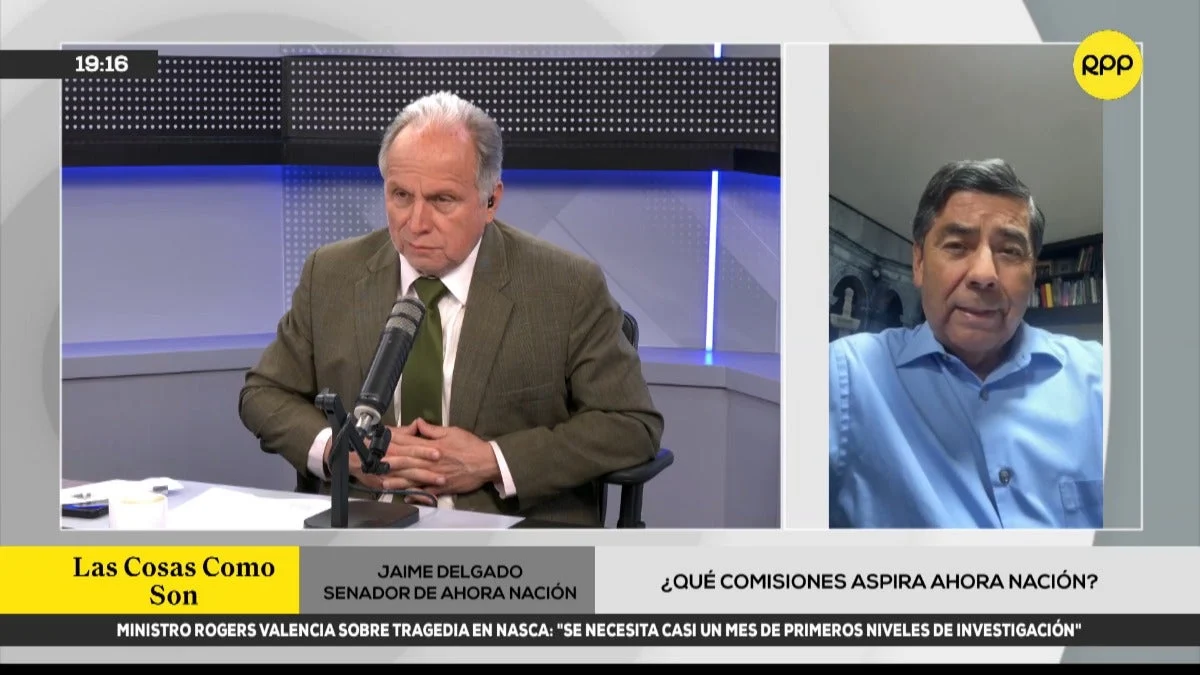
Senator Jaime Delgado, speaking on the RPP program Las Cosas Como Son, articulated a firm position: the Congress is not in the business of issuing "blank checks." According to Delgado, the government’s current draft—which has been circulating in media circles—is far too expansive.
"If the Executive presents a massive ‘bedsheet’ of a proposal, I believe it will significantly hinder its approval," Delgado stated. "The responsibility lies with the Executive. If they want a rapid delegation of powers, they must keep the requests very specific and predictable. We do not want surprises, and we certainly do not want to provide blank checks."
Delgado’s stance is indicative of a broader sentiment among legislative leaders who argue that if the government’s proposed reforms are extensive, they should be processed through the standard legislative route—projects submitted for open debate—rather than bypassed through delegated decrees.
Chronology of the Request and Bureaucratic Delays
The timeline for this legislative maneuver has been marked by a series of internal administrative hurdles. The request, which was initially expected to be tabled shortly after the new congressional session began, has faced delays.
Keiko Fujimori, a pivotal figure in the current political landscape, provided clarity on these delays during a recent visit to the Piura region. According to Fujimori, the Executive is currently navigating the final stages of appointing viceministers, a process that has been slowed by bureaucratic bottlenecks.
Key Milestones:
- Early Week: Reports surfaced regarding the comprehensive nature of the Executive’s proposed legislative package, prompting initial concerns from opposition and centrist blocs.
- Monday: Senator Jaime Delgado publicly cautioned the government against an "overly ambitious" request, calling for a more surgical approach to legislative reform.
- Monday Afternoon: Keiko Fujimori confirmed that the formal presentation of the request is now slated for the following week, citing the need to finalize ministerial team appointments.
- Upcoming (Tuesday): A crucial meeting of the Board of Spokespersons (Junta de Portavoces) is scheduled to determine the structural composition of the new congressional commissions and the distribution of leadership roles.
Fujimori expressed confidence that once the new viceministers are fully installed, the Executive will be prepared to formally sustain the request before the bicameral legislature. "We have had some delays in the appointments of viceministers, but I am sure these bureaucratic hurdles will be resolved in the coming hours or days," she noted.
Supporting Data: The Legislative Framework
The request for powers is not merely a procedural step; it is a fundamental test of the relationship between the Executive and the Legislative branches under the new bicameral structure. In a bicameral system, the process of legislative oversight is theoretically more robust, as laws must pass through two chambers (the Senate and the Chamber of Deputies), potentially diluting the influence of any single party.
The concerns raised by Senator Delgado highlight three specific areas of institutional friction:
- Predictability: The Executive is being asked to clearly define the areas where they require authority (e.g., tax reform, public security, or economic stimulus) rather than presenting a blanket request.
- Urgency vs. Necessity: The Senator acknowledged that there are "urgent and necessary" matters that require swift action. He proposed that for less critical issues, the government should submit standard bills with an "urgency character" tag, allowing for expedited debate without the need for full legislative delegation.
- Accountability: By limiting the scope of delegated powers, the Congress maintains its constitutional duty of oversight, ensuring that any executive decree remains within the scope of the delegated authority.
Official Responses and Political Maneuvering
The reaction to the impending request has been polarized. While the government maintains that these powers are essential to address the country’s economic and security challenges, the opposition and centrist parties are adopting a "wait and see" approach.
The Stance of Ahora Nación
Senator Delgado’s commentary suggests that Ahora Nación will serve as a pragmatic watchdog. Their insistence on "very specific" and "very restricted" requests is designed to prevent the Executive from legislating on controversial matters that might otherwise be rejected in a full congressional vote.
The Executive’s Position
The government, represented by the administration’s allies, argues that the current economic climate requires decisive action. The transition to a bicameral system has added layers of administrative complexity, and the government is under pressure to show results quickly. For the Executive, the delegation of powers is a tool of efficiency, intended to cut through the red tape that often stalls progress in a divided legislature.
Implications: A Test for the Bicameral System
The upcoming week will serve as a litmus test for the new bicameral Congress. The interaction between the Board of Spokespersons and the Executive will define the tone for the remainder of the legislative year.
Potential Outcomes:
- Scenario A: The Collaborative Path. The Executive trims the request to address only the most critical, non-controversial issues. The Congress approves the request with specific constraints, demonstrating a functional balance of power.
- Scenario B: The Confrontational Path. The Executive persists with a broad request. The Congress, led by skepticism from parties like Ahora Nación, rejects the request or forces a series of grueling, public committee hearings that effectively dismantle the administration’s proposal.
- Scenario C: The Compromise. A middle ground is reached where the most urgent items are granted via delegation, while the more complex reforms are diverted into the standard, two-chamber legislative process.
The Role of the Board of Spokespersons
Tuesday’s meeting will be vital. By defining the leadership of the congressional committees, the spokespersons are essentially deciding who will hold the "gatekeeping" power over the Executive’s bills. If the committees are chaired by figures who share Senator Delgado’s skepticism, the Executive will face a much more difficult path than they anticipated.
Conclusion: The Road Ahead
As the political class in Peru pivots toward the formal introduction of the legislative package, the message from the legislature is clear: the era of unchecked executive action is being met with a more sophisticated, institutionalized resistance.
The government’s ability to secure these powers will depend on its willingness to negotiate and its capacity to recognize the new, more demanding requirements of a bicameral system. For Senator Jaime Delgado and his colleagues, the goal is not to paralyze the government, but to ensure that the legislative process remains transparent, predictable, and firmly rooted in democratic oversight.
With the formal presentation set for next week, the political actors are currently engaged in a high-stakes game of posturing. The question remains whether the administration will opt for a strategic retreat on the scope of their proposal, or if they will double down, risking a direct confrontation with a Congress that is clearly signaling it intends to use its new bicameral authority to its fullest extent.