CAJAMARCA, PERU – In a defiant display of grassroots mobilization, the highlands of Cajamarca have once again become the epicenter of a national struggle over water sovereignty. On June 2, 2017, the province of San Pablo and communities spanning four major watersheds officially inaugurated the "Guardians of the 284 Lagoons of Alto Perú." This formation of community-led environmental sentinels represents a desperate, yet strategic, effort to protect the fragile wetland ecosystems of Alto Perú from the creeping influence of large-scale mining interests, specifically the Yanacocha conglomerate.
The move marks a significant escalation in the ongoing regional tension regarding the exploitation of high-altitude water resources, signaling that for the people of Cajamarca, water is not merely a commodity—it is a life-sustaining infrastructure that cannot be negotiated.
The Catalyst: A Looming Judicial Shadow
The impetus for the creation of these specialized brigades stems from deep-seated distrust toward the Peruvian judicial system. Specifically, local communities are bracing for a controversial ruling from the Constitutional Tribunal (TC).
The concern centers on whether the TC will grant Yanacocha legal clearance to conduct mining operations in the sensitive Alto Perú zone. Tensions were further inflamed by allegations of a conflict of interest involving Magistrate José Luis Sardón. Investigations by local advocacy groups and the Committee for the Conservation and Tourism of the Lagoons of Alto Perú suggest that Sardón’s professional history—specifically his decade-long tenure at the NGO Reflexión Democrática, an organization chaired by Yanacocha’s owner, Roque Benavides—renders him unfit to preside over the case.
For the residents, this is not just a legal dispute; it is perceived as an institutionalized attempt to bypass local opposition by leveraging judicial influence. The fear is that a favorable ruling for the mining company will set a precedent that prioritizes corporate extraction over the constitutional right to a clean and sustainable environment.
Chronology of the Resistance
The formation of the Guardians is the latest chapter in a long history of environmental activism in the Cajamarca region:
- April 2017: Initial reports surface regarding the potential for a biased TC ruling. Community leaders begin organizing public awareness campaigns to denounce the perceived lack of impartiality in the judicial process.
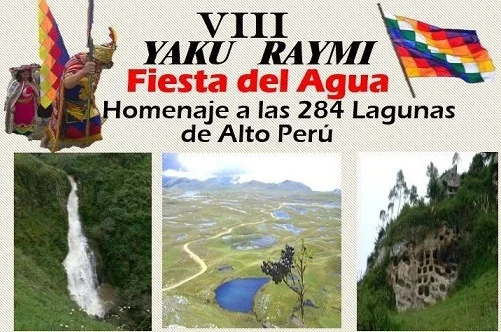
- June 2, 2017: The VIII Yaku Raymi (Festival of the Water) commences. This cultural event serves as both a celebration of water and a solemn declaration of intent to protect the ecosystem.
- June 3, 2017: The official swearing-in ceremony takes place. Guardians representing the Llaucano, Marañón, Cajamarquino, and Jequetepeque watersheds pledge to adopt the same rigorous fiscalization and preservation tactics successfully employed during the earlier, high-profile conflicts over the Conga project.
- Post-2017 Outlook: The organizational structure shifts to a permanent vigil. The Guardians, under the guidance of the Federation of Rondas of the Cajamarca Region, establish a rotating schedule to monitor the 284 lagoons, effectively creating a "human shield" against encroaching development.
Supporting Data: Why Alto Perú Matters
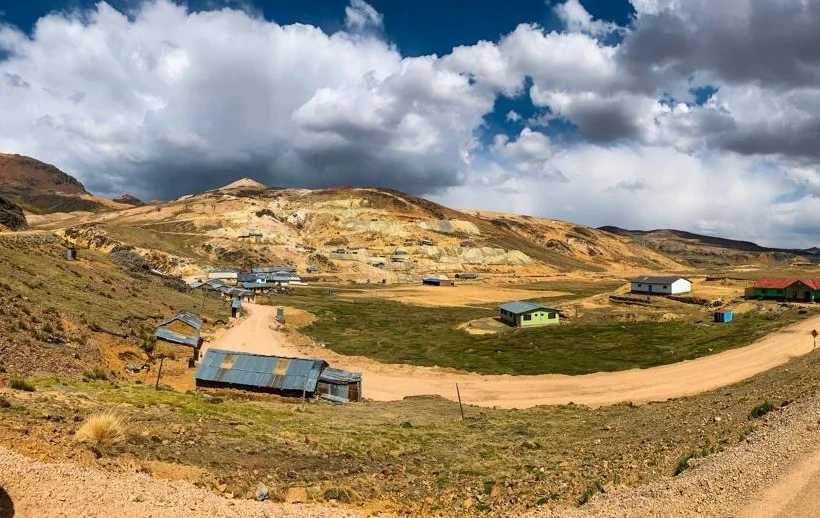
The Alto Perú wetlands are not merely stagnant bodies of water; they are critical "water towers" for the entire region. These 284 lagoons serve as natural sponges that regulate the hydrological cycle of the Jequetepeque basin.
According to hydrological assessments provided by the local Committee for Conservation, the region provides essential irrigation for downstream agricultural communities that support thousands of families. The contamination of these headwaters would trigger a domino effect, leading to the collapse of local agriculture and the poisoning of water sources that serve the broader population of Cajamarca.
Furthermore, the environmental demand is clear: the communities are petitioning for the lagoons to be designated as a Ramsar Site—a wetland of international importance under the Convention on Wetlands. Such a designation would mandate a higher level of international protection and acknowledge the area’s critical role in global climate resilience. Additionally, local student-led initiatives are pushing to transform the region into a "World Hydrological Observatory," shifting the narrative from extraction to scientific study and sustainable ecotourism.

Official Responses and Organizational Stances
The Committee Interinstitucional para la Conservación y Turismo Lagunas de Alto Perú y Anexos de la Cuenca del Jequetepeque has been the primary voice of the opposition. Their official communication is uncompromising:
- Direct Action: The committee has formally warned that any ruling favoring the mining company will result in a "second regional or provincial strike."
- Institutional Sanctions: The President of the Constitutional Tribunal has been warned that he will be declared persona non grata if the ruling is perceived as biased or harmful to the environment.
- Unified Front: The integration of the Rondas Campesinas—the legendary rural patrol groups of Peru—into the management of the Guardians ensures that the resistance has the logistical capacity and grassroots legitimacy to maintain long-term surveillance.
Yanacocha, conversely, has historically maintained that their operations adhere to national mining regulations and that they prioritize social responsibility. However, the disconnect between the company’s corporate communications and the lived reality of the people in the highlands remains the primary driver of the conflict. The mining company views these lagoons as potential areas for mineral expansion, whereas the community views them as non-negotiable ancestral heritage.
Implications: A Looming Social Crisis
The situation in Alto Perú is a microcosm of the "extractive vs. protective" dichotomy that plagues many resource-rich developing nations. The implications of this standoff are severe:
1. The Risk of Conflict
The committee has explicitly stated that a pro-mining verdict would generate a "terrible social conflict." Given the history of civil unrest in Cajamarca, this is not an idle threat. The scarcity of clean water is already the primary grievance in the region, and any perceived threat to the remaining healthy water sources acts as a catalyst for widespread protest.
2. The Credibility of the Judiciary
The controversy surrounding Magistrate Sardón highlights a deeper crisis of confidence in Peru’s democratic institutions. When citizens feel they cannot rely on the judicial system to act as a neutral arbiter, they turn to "extra-legal" methods—such as the formation of civilian "Guardians"—to enforce their rights. This risks a cycle of polarization where the state is increasingly seen as a tool of corporate interests rather than a protector of the public good.
3. A Precedent for Global Environmental Governance
If the local communities succeed in securing Ramsar status or establishing an international observatory, it would represent a landmark victory for local autonomy in environmental management. It would demonstrate that small, rural communities can effectively leverage international conventions to protect their lands from the global machinery of large-scale extraction.
Conclusion: The Persistence of the Guardians
As the sun sets over the highlands of San Pablo, the Guardians of the 284 Lagoons remain on alert. Their commitment is rooted in a fundamental belief that the "fiesta of the water" is a celebration of a right that is currently under siege.
The struggle of the people of Cajamarca is a testament to the resilience of human communities when faced with the potential destruction of their most vital resource. Whether through the watchful eyes of the Rondas or the intellectual rigor of proposed international observatories, the message from Alto Perú is clear: the water is not for sale, and the Guardians will remain as long as the lagoons are threatened.
As the Constitutional Tribunal prepares its next move, all eyes remain fixed on the highlands—waiting to see if the law will serve the interests of the few, or the survival of the many.