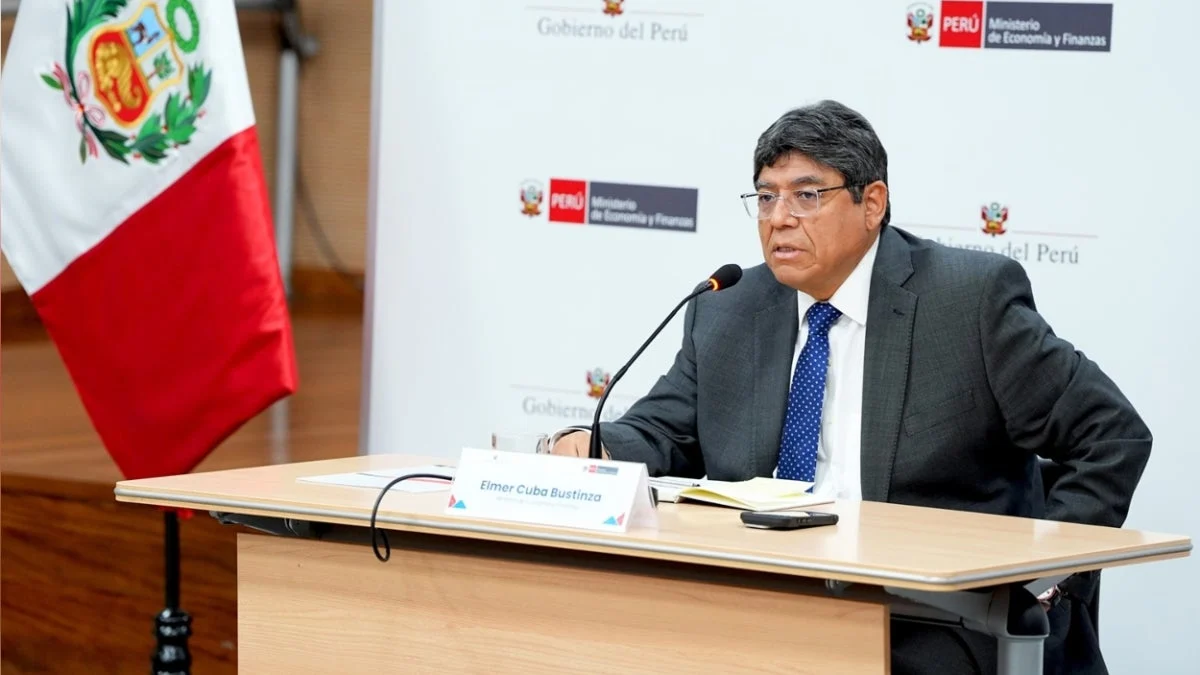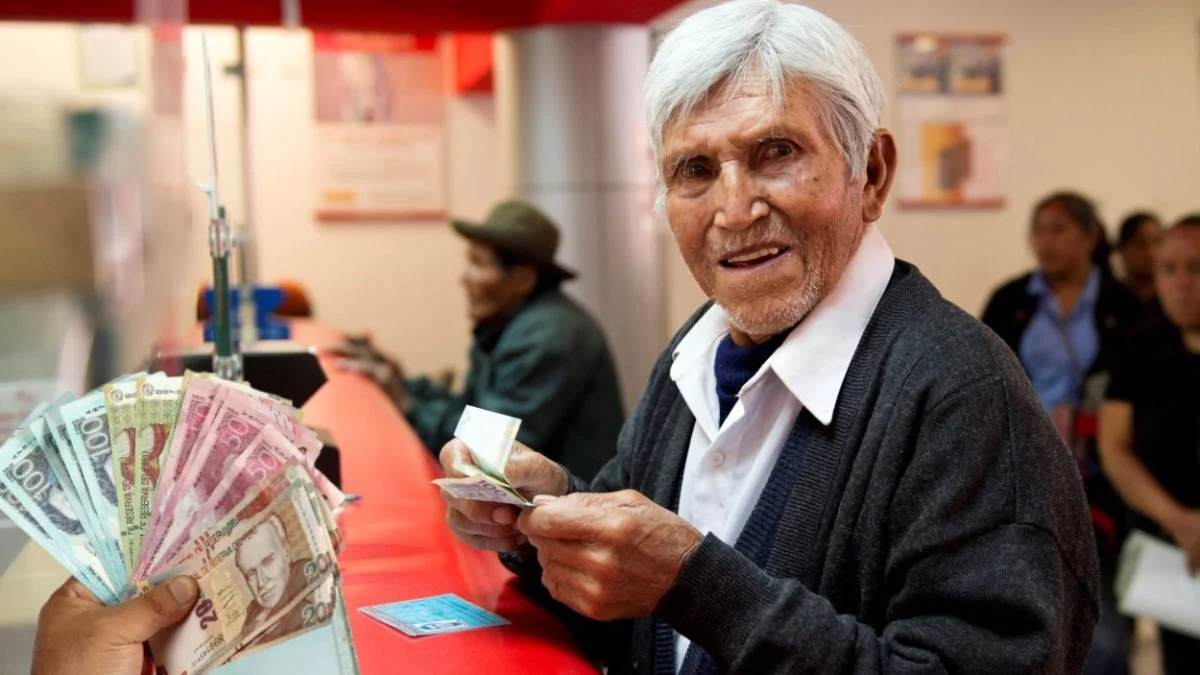
In a move signaling a definitive shift in administrative policy, the administration of President Keiko Fujimori has unveiled a draft project seeking legislative powers from Congress to execute a "great reform of the civil service." Central to this ambitious legislative package is a proposal to rationalize the state’s massive payroll through the introduction of economic incentives for public servants who voluntarily choose to resign. This initiative, which aims to consolidate the fragmented nature of public employment, represents one of the most significant efforts in recent decades to restructure the Peruvian state apparatus.
The Core Objective: Efficiency and Fiscal Sustainability
The government’s proposal, currently under review as part of a request for delegated powers, is built upon the premise that the current public sector framework is unsustainable. With multiple, overlapping labor regimes, the state faces significant challenges in human resource management, salary disparities, and administrative efficiency.
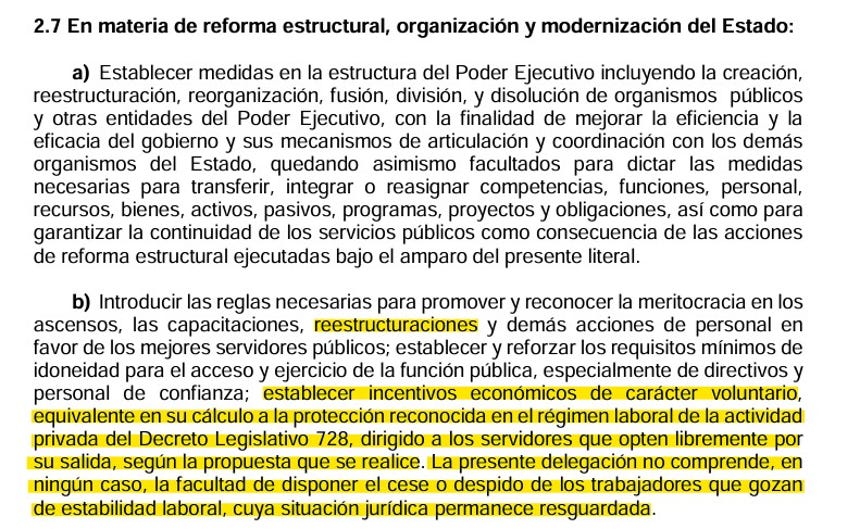
The primary mechanism proposed to address these issues is a voluntary exit program. By offering economic incentives modeled after the private sector’s severance protections—specifically those outlined in Legislative Decree 728—the government hopes to encourage the voluntary departure of public employees. According to the draft document, the initiative is not intended to trigger mandatory layoffs of those with permanent contracts; rather, it aims to "sincerar" (realign) the number of positions to match the actual functional requirements of public entities.
Chronology of the Reform Effort
The push for this reform follows closely on the heels of President Fujimori’s inaugural Address to the Nation, where she outlined a roadmap for administrative modernization.
- Initial Policy Signals: Immediately upon taking office, the administration identified the "fragmented labor landscape" as a primary hurdle to effective governance.
- The Drafting Phase: Throughout the early weeks of the administration, the Ministry of Economy and the Presidency of the Council of Ministers collaborated on a draft project that would grant the executive the authority to legislate on civil service matters.
- The Legislative Request: The government is currently preparing to present this formal request to Congress, seeking to bypass lengthy legislative debates for individual measures in favor of a broad, cross-cutting reform package.
- Public Scrutiny: As word of the draft spread, labor unions and legal experts began raising questions regarding the voluntariness of the proposed exits, citing historical precedents from the 1990s where similar programs were marred by legal challenges and allegations of "disguised" layoffs.
Understanding the "Voluntary" Incentive Mechanism
To understand the financial implications, one must look at how the state calculates these potential payouts. Legal experts, including labor law specialist Willman Meléndez, have clarified that the government intends to use the private sector’s "indemnización por despido" (dismissal indemnity) as a benchmark.
In the private sector, this indemnity generally equates to one and a half months of salary for every year of service, with a cumulative cap of 12 months’ pay. While the government emphasizes that this is merely a "calculation base" rather than an admission of dismissal, the methodology provides a clear financial target for employees considering a departure.
The Debate Over "Voluntariness"
The central point of contention remains the definition of "voluntary." Critics argue that if the government faces immense pressure to reduce the payroll, the environment in which these "offers" are made may feel coercive. Experts recall the mass layoffs of the 1990s, where many employees felt forced into signing resignation agreements under the threat of impending organizational dissolution or job elimination.

"The critical aspect here is the true nature of the voluntariness," says Meléndez. "We must ensure that the worker has the time, the legal counsel, and the clear understanding of their rights before making a decision. If the process is rushed, it risks being labeled as a series of forced exits disguised as negotiations."
A Landscape of Fragmented Labor Regimes
The motivation for this reform stems from the reality that the Peruvian state is not a single employer, but a collection of disparate labor systems. Currently, public servants are governed by a bewildering array of frameworks, including:
- Legislative Decree 276: The classic administrative career law.
- Legislative Decree 728: Typically applied to private-sector workers but also used in specific state enterprises.
- Contratación Administrativa de Servicios (CAS): A temporary, often precarious contract model that has become the default for many state employees.
- The Civil Service Law (Law 30057): An ambitious, merit-based regime that has struggled with partial and inconsistent implementation over the years.
This coexistence leads to situations where two employees in the same ministry, performing nearly identical tasks, earn vastly different salaries and operate under different benefits packages. The government contends that this "heterogeneity" is a major source of fiscal waste and internal inequality.
Official Responses and Expert Perspectives
While the executive branch frames the reform as a necessary step toward meritocracy and sustainability, labor advocates and legal experts have adopted a more cautious tone.
The government’s official stance is that the reform is aimed at creating a "modern, efficient, and professional" public service. They argue that by cleaning up the payroll and moving toward a single, unified labor regime, the state will be better positioned to attract talent and reward high-performing individuals.
However, independent analysts point to the systemic risks. "The problem is not just the number of employees," notes a policy analyst. "The problem is the lack of a clear, unified structure. Simply paying people to leave might help in the short term, but if it is not accompanied by a robust plan to implement the Civil Service Law properly, the state will eventually end up in the same position, with new hires entering through various informal routes."
Implications for the Future of Public Service
The implications of this potential legislation are far-reaching. If passed, the government will have the legal authority to trigger a massive turnover of personnel.
1. Fiscal Implications
The immediate cost of paying out voluntary exit incentives will be significant. The government must ensure that the long-term savings from a reduced, more efficient workforce outweigh the upfront cost of the buyouts.
2. Legal and Judicial Risks
The history of labor reforms in Peru is littered with judicial challenges. If the government fails to implement the process with absolute transparency, it risks a wave of lawsuits from employees who argue that their exit was not truly voluntary. This could create a massive liability for the state, potentially nullifying the fiscal gains intended by the reform.
3. Impact on Service Delivery
For the average citizen, the primary concern is whether this reform will result in better services. A transition period of this magnitude often results in administrative paralysis. If the government loses key experienced personnel during the reorganization, there is a risk that the quality of public services could decline before it improves.
4. The Path Toward Unity
The recommendation from many legal experts is to stop creating new, temporary patches and instead fully commit to the implementation of the existing Civil Service Law. "It is the most logical path," says Meléndez. "The law already incorporates the logic of meritocracy, balanced budgets, and standardized benefits. Rather than inventing a new system, the administration should focus on the heavy lifting required to make the current Civil Service Law the true, single regime for the entire nation."
Conclusion: A Balancing Act
As the Fujimori administration prepares to take its case to Congress, it faces a delicate balancing act. The promise of a leaner, more professional government is highly attractive to voters and taxpayers concerned about public spending. However, the methods used to achieve this must adhere to the principles of labor rights and due process.
The success of this reform will ultimately depend on whether the government views this as a purely numerical exercise in payroll reduction or as a comprehensive effort to build a sustainable, merit-based institution. By focusing on voluntary, well-compensated exits and a clear roadmap toward a unified labor regime, the state has an opportunity to redefine the relationship between the government and its employees. Conversely, if the process is handled with a "one-size-fits-all" approach that disregards individual rights, the government risks repeating the mistakes of the past, leading to years of litigation and institutional instability.
For now, the eyes of the public, labor unions, and international observers are firmly fixed on the forthcoming legislative request, awaiting the specific details that will determine whether this "great reform" will truly modernize the Peruvian state or merely disrupt it.