In a significant pivot for Peru’s social protection landscape, the government led by President Keiko Fujimori has officially unveiled its 2027 Public Budget proposal, marking a decisive shift toward strengthening the state’s commitment to its most vulnerable citizens. At the heart of this fiscal plan is a landmark decision to double the bi-monthly pension for the country’s poorest seniors, raising the subsidy from S/350 to S/700. This move represents not merely an adjustment for inflation, but a structural realignment of the social safety net intended to provide a dignified baseline for over 824,000 elderly Peruvians living in extreme poverty.
The announcement, which stems from the president’s inaugural address on July 28, highlights a government intent on consolidating social policy as a cornerstone of its administration. As the Ministry of Economy and Finance (MEF) prepares to defend this budget before the national Congress, the debate over the country’s financial priorities has intensified, particularly given the concurrent rise in investments earmarked for military infrastructure.
A Chronology of Policy Evolution
To understand the magnitude of this change, one must look at the recent trajectory of "Pensión 65." The program, designed as a non-contributory pension scheme for adults aged 65 and over who lack a traditional pension plan, has undergone several iterations over the past few years.
- 2025 Benchmarks: The program saw a significant expansion in reach, achieving a coverage rate of 80.4% among the target demographic. This served as the foundation for the current administration’s desire to broaden the net.
- 2026 Adjustments: The current year saw a modest increase of S/100, bringing the bi-monthly payment to the current S/350. This served as a stop-gap measure while the administration conducted a deeper review of fiscal sustainability.
- July 2026 (The Presidential Promise): During her first address to the nation, President Fujimori signaled that the current levels of social support were insufficient to address the rising cost of living, explicitly committing to a 100% increase in the benefit.
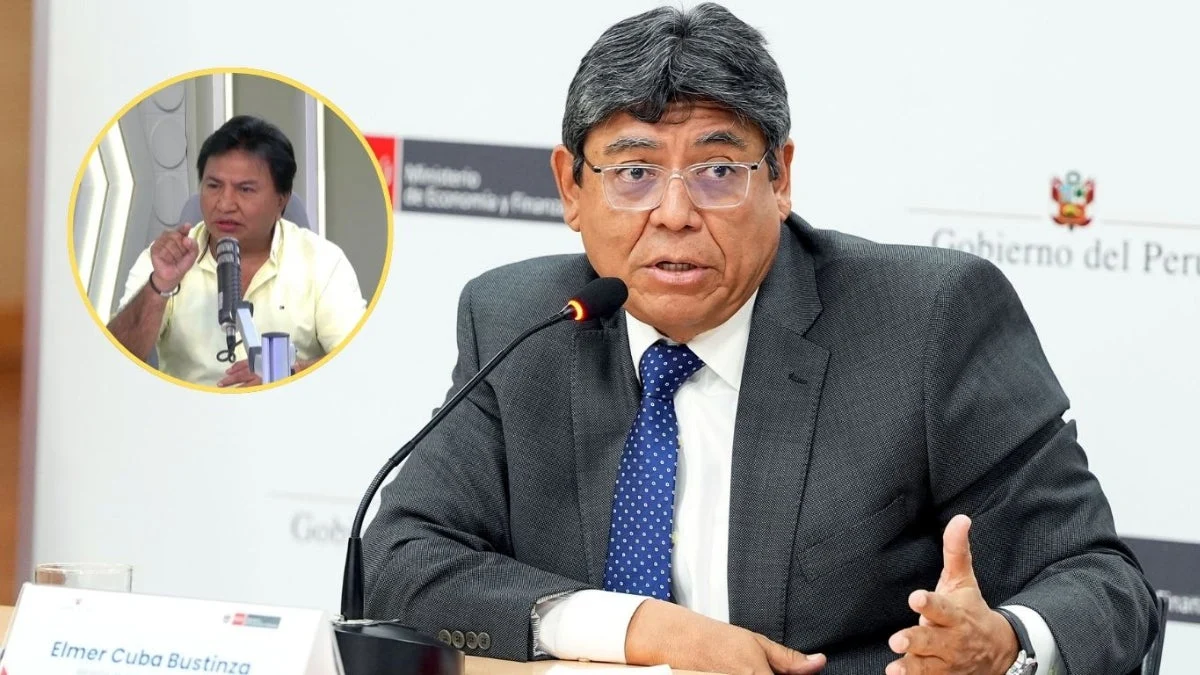
- Late 2026 (The 2027 Budget Proposal): The Ministry of Economy, led by Minister Elmer Cuba, formally submitted the 2027 budget to Congress, cementing the S/700 figure as a core policy objective for the coming fiscal year.
Supporting Data: The Fiscal Weight of Social Protection
The financial implications of this policy are substantial. The government has earmarked S/3.530 billion for the 2027 fiscal year to cover the costs of Pensión 65, a massive leap from the S/1.305 billion allocated in 2026. This allocation represents roughly 38% of the total budget assigned to the "Social Protection" function, signaling that the administration views this program as the primary vehicle for poverty alleviation.
Demographic Reality
Minister Elmer Cuba has pointed to the shifting demographic landscape of Peru as the primary driver for this spending. Data indicates that 20% of the Peruvian population is now over the age of 65. With this demographic cohort growing, the pressure on social security systems—both contributory and non-contributory—has reached a critical juncture.
Coverage Objectives
The government is not just increasing the amount of the subsidy; it is aggressively targeting the expansion of the program’s reach. The current goal is to transition from an 80.4% coverage rate to an ambitious 88.9% by the end of 2027. This effectively means that nearly nine out of every ten seniors living in extreme poverty across the country will be brought under the umbrella of the state’s financial protection.
Official Responses and Strategic Priorities
The proposal has ignited a complex debate within the halls of Congress. While there is broad consensus on the need to support the elderly, the allocation of resources has drawn scrutiny. Critics of the 2027 budget have pointed to the government’s decision to simultaneously increase military infrastructure investment, questioning whether the fiscal space allows for such a dual expansion of state spending.
Minister Elmer Cuba has defended the budget by characterizing it as a "balanced roadmap." He notes that by tightening the administration of public spending and reviewing existing laws that involve recurring fiscal costs, the government can afford both national security upgrades and a robust expansion of the social safety net. "The priority," the MEF stated in a recent press briefing, "is to ensure that the most vulnerable do not fall through the cracks during a period of necessary economic and infrastructural modernization."
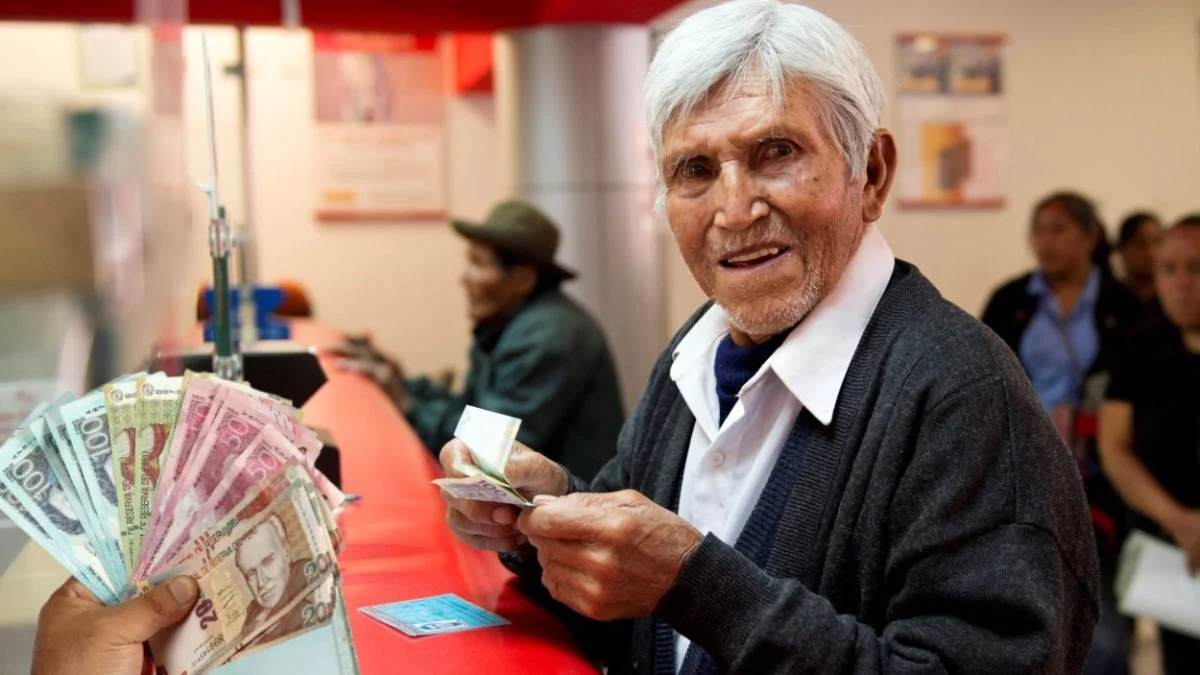
The Ministry of Development and Social Inclusion (MIDIS) remains the primary executing agency. Their focus remains on the logistical challenge of distributing these funds to rural and often inaccessible regions. Currently, the MIDIS manages a bi-monthly payment schedule executed through the Banco de la Nación, utilizing a network of "Multired" agents and ATMs. With over 740,000 beneficiaries now using debit cards for their transactions, the government aims to modernize the distribution process further to minimize the administrative overhead of manual cash transfers.
The Socio-Economic Implications: Beyond the Numbers
The impact of doubling the pension cannot be overstated for the recipients. For a senior living in extreme poverty, an increase from S/350 to S/700 bi-monthly is a transformative shift in purchasing power.
Essential Consumption
Economists monitoring the project note that the funds are almost exclusively directed toward "essential consumption." This includes:
- Nutritional Stability: Access to basic food baskets that have seen price volatility in recent months.
- Healthcare Access: Covering out-of-pocket costs for essential medications that are not always available through the public health system.
- Utility Maintenance: Ensuring that those living in urban poverty can maintain access to water and electricity.
The Macroeconomic Perspective
From a broader perspective, the injection of liquidity into the hands of the most impoverished segments of the population acts as a natural economic stimulus. These funds are immediately recirculated into local markets, supporting small-scale vendors and local economies. However, analysts warn that the government must ensure this increased spending does not trigger localized inflation in rural areas where the supply of basic goods may be inelastic.
Challenges Ahead: Implementation and Sustainability
While the policy is popular, its long-term success hinges on three critical factors:
- Fiscal Discipline: The ability of the Fujimori administration to keep its promise depends on the successful implementation of its tax and expenditure reforms. If economic growth slows, the burden of this massive social transfer could create a significant deficit.
- Administrative Efficiency: Reaching the final 11% of the elderly population—the "hard-to-reach" demographic living in remote Andean or Amazonian regions—will require significantly more effort than maintaining the current list of beneficiaries.
- Political Consensus: With the budget currently in the hands of the Legislative branch, the administration must navigate a potentially fractious Congress. The juxtaposition of social spending and military spending provides a convenient wedge for political opposition to stall or amend the budget.
Conclusion
The 2027 budget proposal for Pensión 65 is a bold statement of intent. By doubling the biennial subsidy, the Keiko Fujimori administration is betting that a direct investment in the elderly is the most effective way to address the systemic inequalities that have plagued the nation’s poorest for decades. As the country moves toward 2027, all eyes will be on whether the state can move beyond the promise of the podium and into the reality of effective, transparent, and consistent delivery of these funds.
The social contract in Peru is being rewritten, and for 824,000 citizens, the stakes could not be higher. If the administration succeeds, it will have set a new benchmark for social responsibility in the region; if it falters, it will have created a fiscal liability that could haunt the country for years to come. For now, the focus remains on the upcoming legislative sessions and the final approval of what is, arguably, the most significant social policy shift in modern Peruvian history.