The global smartphone landscape has long been defined by a duopoly. For over a decade, Samsung and Apple have maintained a firm grip on the premium flagship segment, dictating trends in design, mobile photography, and hardware standards. However, the rise of Xiaomi—a company once known primarily for its aggressive pricing and mid-range dominance—has reached a critical turning point. With the launch of the Xiaomi 17 Ultra, the Chinese tech giant has officially transitioned from a market challenger to a formidable rival in the ultra-premium space.
This device does not merely aim to compete; it attempts to redefine what a "super-flagship" represents, positioning itself squarely against the Samsung Galaxy S26 Ultra and the latest iPhone Pro Max iterations. As the industry watches, the Xiaomi 17 Ultra has become the centerpiece of a strategic pivot that prioritizes technical excellence over accessibility.
The Genesis of the Ultra: A Chronology of Ambition
To understand the weight of the Xiaomi 17 Ultra, one must look at the trajectory of the company’s recent hardware history.
- February 2025: The Xiaomi 17 Ultra makes its global debut. From the outset, the marketing strategy shifted from "value-for-money" to "uncompromising performance," signaling a desire to capture the high-end demographic that typically defaults to Cupertino or Seoul.
- Post-Launch Reception: Following its release, the device garnered significant attention from global tech publications. TechRadar famously labeled it "the best Xiaomi phone to date," setting a new baseline for the brand’s engineering standards.
- Mid-2025 Market Maturation: As the initial hype settled, real-world data began to emerge. Reviews from outlets like Xataka provided a nuanced look at the device’s thermal management and long-term daily utility, confirming that while the phone was a powerhouse, it occupied a complex niche in the market.
- Current Standing: Today, the device serves as the spearhead for Xiaomi’s ecosystem, often bundled with their high-performance tablets to showcase a unified, premium user experience.
Technical Superiority: Breaking Down the Hardware
The Xiaomi 17 Ultra is an exercise in excess and precision. At its heart lies the Snapdragon 8 Elite Gen 5 processor, a silicon powerhouse that puts the device on par with the most advanced mobile computers currently on the market.
The Leica Collaboration
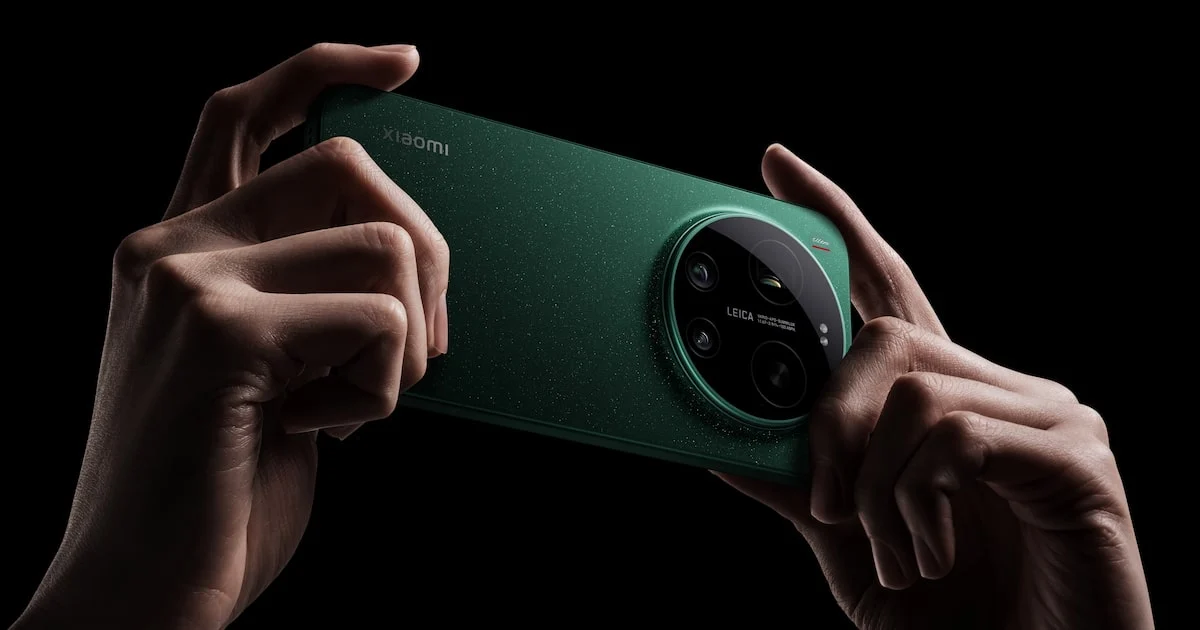
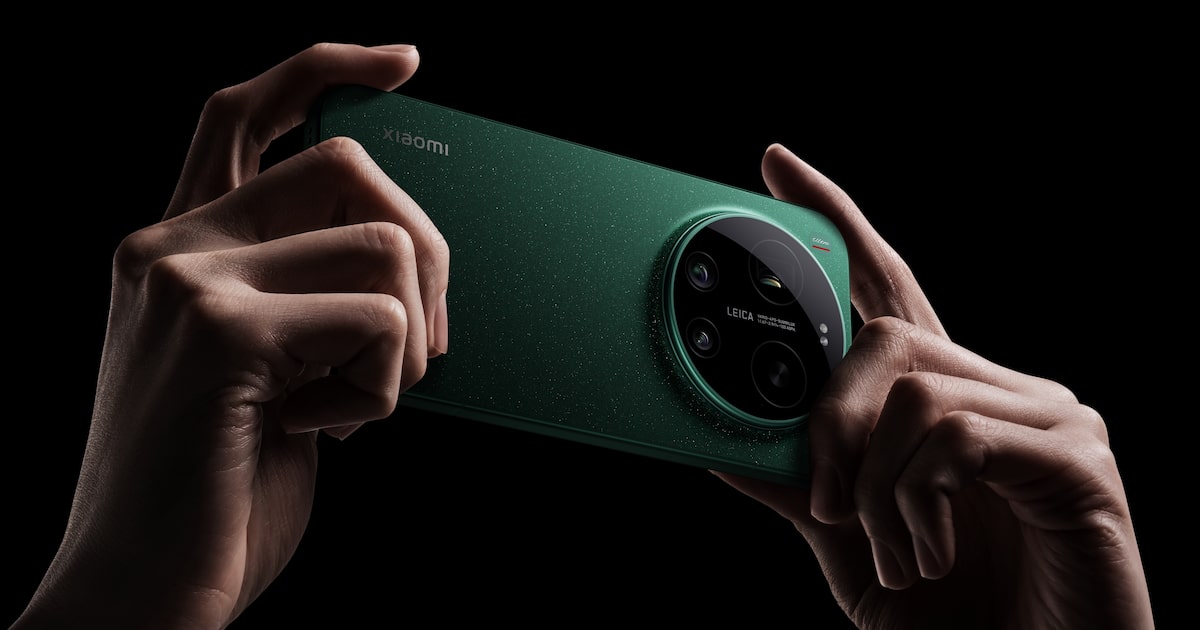
The defining feature of the 17 Ultra is undoubtedly its camera system. Developed in partnership with Leica, the optics represent a masterclass in mobile photography. The system excels in low-light environments, where noise reduction and color science often fail in lesser devices. Furthermore, the inclusion of a specialized telephoto lens capable of reaching 200mm offers professional-grade zoom capabilities that few competitors can match.
Industrial Design
Despite housing a massive camera array, Xiaomi managed to keep the chassis remarkably slim at just 8.29 millimeters. This minimalist approach extends to the display—a high-resolution, high-refresh-rate panel that provides an immersive canvas for content consumption. When paired with the device’s dual-speaker configuration, the 17 Ultra creates a multimedia experience that is, as Xataka noted, "spectacular for media consumption."
Supporting Data: The Cost of Innovation
Entering the ultra-premium segment comes with a steep price tag, and Xiaomi has abandoned its budget-friendly roots to match its rivals in the financial arena.
| Device Model | Starting Price (Approx.) |
|---|---|
| Xiaomi 17 Ultra | $1,700 |
| Samsung Galaxy S26 Ultra | $1,299 |
| iPhone 17 Pro Max | $1,199 |
The pricing strategy is telling. By positioning the 17 Ultra at a premium over both the S26 Ultra and the iPhone 17 Pro Max, Xiaomi is making a bold statement: it believes its hardware is not just comparable, but superior enough to warrant a higher barrier to entry. This is a radical departure for a company that built its reputation on the "democratization of technology."
The Reality Check: Hurdles and "The Thermal Challenge"
No device is perfect, and the Xiaomi 17 Ultra is no exception. While critics have lauded its raw power, the device faces significant scrutiny regarding its long-term reliability and user experience under heavy load.
Thermal Management and Performance
One of the most recurring criticisms, highlighted by Xataka, involves thermal throttling. When pushed to its limits—such as during high-intensity gaming sessions or sustained 4K60 video recording—the device has shown signs of heat management difficulties. This is a common hurdle for ultra-thin, high-performance phones, but at the $1,700 price point, users expect flawless thermal efficiency.
Software and Longevity
TechRadar and other analysts have pointed to the software support lifecycle as a critical area for improvement. While Samsung and Apple have set the gold standard for multi-year OS updates and security patches, Xiaomi is still perceived as trailing in its commitment to software longevity. For a phone that costs as much as a high-end laptop, consumers are increasingly demanding a longer, more reliable software support roadmap.
The Camera Module "Bulk"
While the camera is the device’s greatest strength, Tech Advisor noted that the sheer size of the camera module creates a physical imbalance. It is a "top-heavy" device, which can lead to ergonomic fatigue during prolonged use and makes the phone prone to instability when placed on flat surfaces without a case.
Implications: What Does This Mean for the Market?
The launch of the Xiaomi 17 Ultra is a microcosm of a larger shift in the smartphone industry.
1. The Death of the "Cheap Chinese Phone" Narrative
Xiaomi’s move into the $1,700 bracket effectively closes the chapter on the brand being viewed as a "budget alternative." By challenging Apple and Samsung at the highest price points, Xiaomi is forcing its competitors to innovate faster. If the industry leader can be beaten by a company with superior camera optics or faster charging, the status quo is fundamentally broken.
2. The Ecosystem War
Xiaomi is no longer just selling phones; they are selling an ecosystem. The integration between their high-end tablets, wearables, and the 17 Ultra suggests that the company is aiming for the "Apple-ification" of its user base—creating a locked-in experience where the software synergy between devices justifies the premium price.
3. The Future of Mobile Photography
The 17 Ultra proves that the future of mobile photography lies in the partnership between hardware manufacturers and traditional optical giants like Leica. This sets a trend where future flagship phones will likely be defined less by their processors and more by the quality of the glass and the sophistication of the image processing algorithms.
Conclusion: Is the Price Justified?
The Xiaomi 17 Ultra is a paradoxical device. It is, by all technical metrics, a "beast." It handles high-resolution RAW photo processing and intense 4K video rendering with a grace that few devices can emulate. Its screen is a triumph of display technology, and its industrial design feels like a nod to the future of minimalist tech.
However, the "privilege" of owning this technology comes with significant caveats. The thermal issues, the high cost of entry, and the uncertainty surrounding long-term software support make it a risky investment for the average consumer. For the hardcore tech enthusiast—the demographic that values the latest sensor technology and raw processing power above all else—the 17 Ultra is a dream device. For the casual user, it serves as a powerful reminder that while Xiaomi has arrived at the peak of the mountain, the thin air at the top is reserved for those willing to overlook a few sharp edges.
Ultimately, the Xiaomi 17 Ultra is not just a smartphone; it is a declaration of war. It tells the world that the Chinese tech giant is ready to fight for the throne, even if it means losing the very audience that once helped it grow. Whether this gamble pays off will depend on how quickly Xiaomi can address the thermal and software concerns that currently prevent it from being the undisputed king of the flagship hill.