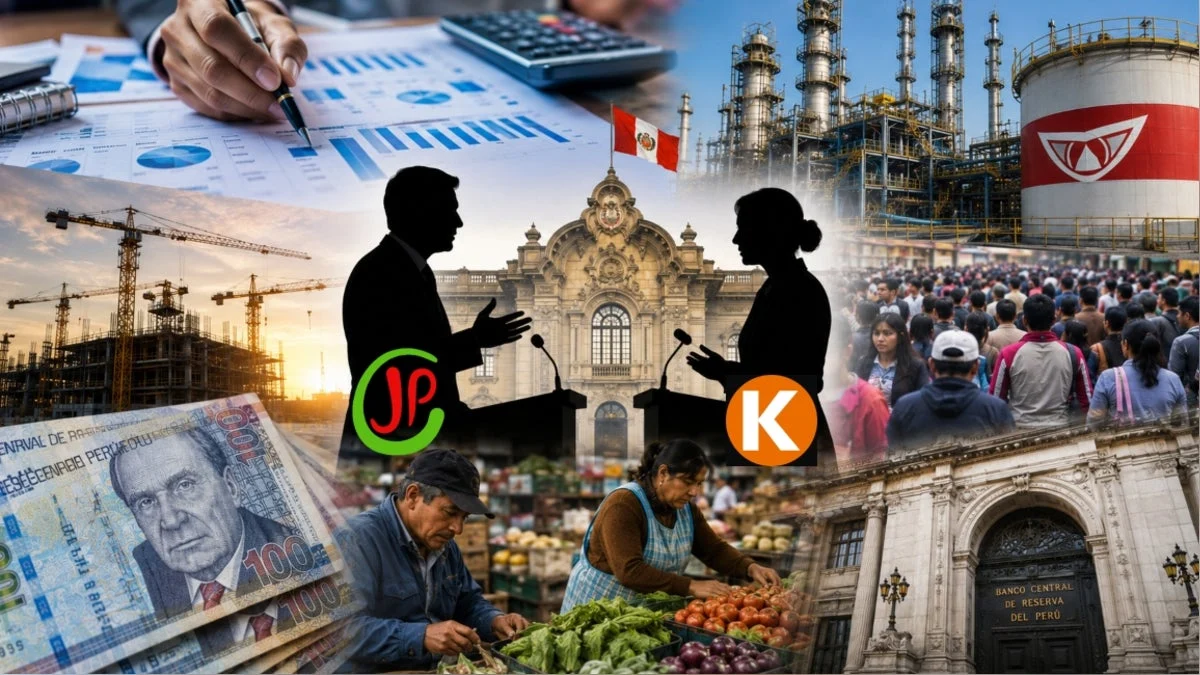
As the second round of Peru’s presidential election approaches, the political tension between Fuerza Popular and Juntos por el Perú has reached a critical juncture. With the official debate organized by the National Jury of Elections (JNE) scheduled for Sunday, May 24, the focus has shifted from populist rhetoric to the harsh realities of fiscal policy, employment, and macroeconomic stability.
Leading economists and financial experts are warning that the upcoming exchange is not merely a formality; it is a decisive moment to determine whether the next administration will safeguard the country’s hard-won economic pillars or succumb to unsustainable spending and institutional erosion.
The Core Mandate: Fiscal Responsibility and Economic Strategy
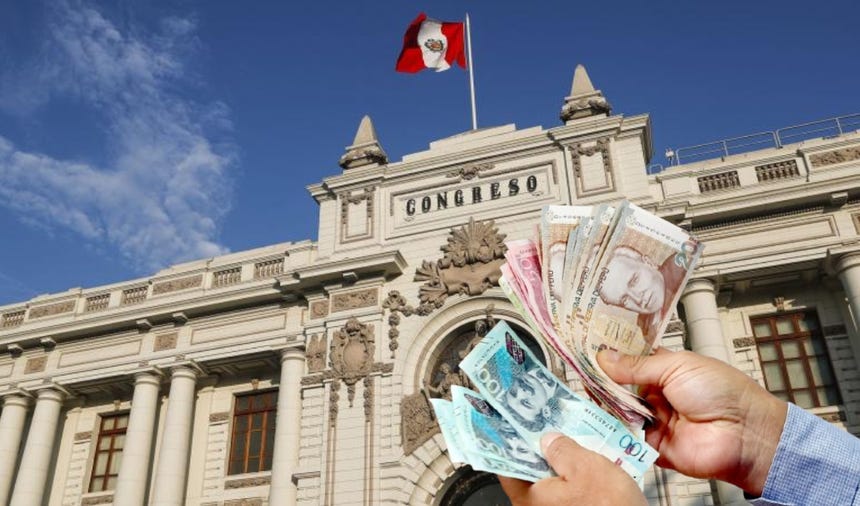
The primary concern among experts is the current state of Peru’s public accounts. The Fiscal Council has issued a stern warning that the nation is effectively "maxing out its credit card." Over the past five years, the legislative branch has passed 101 laws that have collectively cost the national treasury S/35.795 billion. This profligacy has created a structural deficit that the next government must address immediately.
The debate is expected to center on the candidates’ ability to explain how they intend to finance their electoral promises. Luis Arias Minaya, former head of the tax authority (SUNAT), noted that both political factions are aggressively offering increased public spending without providing a coherent financing plan.
"Fuerza Popular is dangling tax benefits, while Juntos por el Perú is pushing for expanded social expenditures," Arias Minaya observed. "Neither side has adequately explained where the money will come from. Both parties must be pressured to commit to a ‘no-expenditure-without-MEF-approval’ rule to prevent further deterioration of the national budget."
Chronology of a Crisis: How We Reached This Point
To understand the urgency of the debate, one must look at the recent timeline of economic management in Peru:
- Pre-Pandemic Era: Peru maintained a fiscal deficit range of roughly 1%, serving as a beacon of stability in the region.
- The 2020-2021 Crisis: The pandemic triggered an unprecedented economic contraction, forcing the state to intervene with massive liquidity injections.
- 2022-2024 (The Legislative Shift): A series of populist laws approved by Congress exacerbated the fiscal burden, leading to the current situation where the deficit target for this year sits at 1.8%.
- Current Climate (2025): With poverty affecting 8.8 million Peruvians (25.7% of the population), the pressure to spend is at an all-time high, yet the margin for maneuver has never been tighter.
- May 24, 2026: The JNE debate serves as the final forum for candidates to define their fiscal roadmap before the runoff election.
Supporting Data: The Indicators at Risk
The economic experts consulted have highlighted several key metrics that will dictate the success or failure of the next administration:
- Fiscal Deficit Targets: The goal is to return to the 1% range by 2027. Experts argue that deviating from this path risks a downgrade in sovereign credit ratings, which would increase the cost of debt servicing.
- Labor Informality: Over 70% of the Peruvian workforce operates in the informal sector. Any policy that imposes rigid, high-cost mandates without accompanying productivity reforms risks pushing more workers into precarious, low-income situations.
- Poverty Distribution: While social programs like Juntos and Pensión 65 were designed for rural poverty, the new reality is a surge in urban poverty that these existing safety nets are ill-equipped to handle.
- Petroperú’s Financial Hole: The state-owned oil company remains a significant drain on the public purse. Economists are calling for a definitive plan on how to stop the company from acting as a "black hole" for national resources.
The Essential Pillar: Autonomy of the BCRP
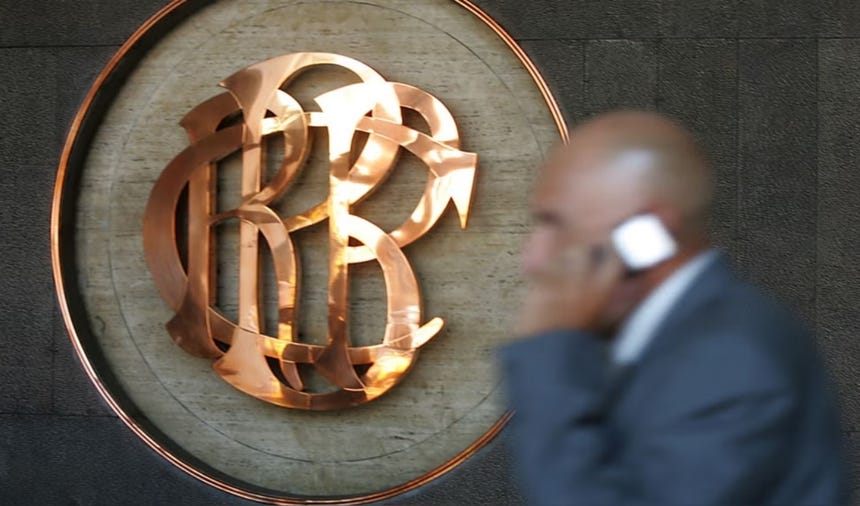
A central theme of the debate—and perhaps the most important for international investor confidence—is the autonomy of the Central Reserve Bank of Peru (BCRP).
The consensus among analysts is that the next president must signal immediate continuity by ratifying Julio Velarde as president of the BCRP. Luis Arias Minaya was explicit in his assessment: "The candidate from the left has given contradictory signals. Both candidates must commit to Velarde’s ratification. What is working well should not be tampered with."
Paola del Carpio, an economist at the Network of Studies for Development (REDES), emphasizes that macroeconomic stability is not a luxury; it is the "floor" upon which development is built. "The management of inflation is not just a technical, distant issue. It affects the poorest people first and most intensely," she warned.
Official Responses and Implications
As the candidates prepare their technical teams, the pressure from the private sector and academic institutions is mounting.
David Tuesta, former Minister of Economy, warns of the dangers of repeating the mistakes of the 1980s. "The question is: where does the money come from without jeopardizing macroeconomic stability or aggressively raising taxes or debt? We know how that story ends when trust is destroyed," Tuesta stated.
Elmer Cuba, an economist from Macroconsult, stressed that the debate must move beyond slogans. He argued that explaining the reduction of the deficit is not just an accounting exercise, but a requirement for restoring long-term growth.
The Path Forward: Productivity vs. Populism
The debate on May 24 will ultimately be a test of political courage.
- For Fuerza Popular: The challenge lies in moving away from traditional pro-business narratives that ignore the structural inequalities of the labor market.
- For Juntos por el Perú: The challenge is to prove that their social agenda can be implemented without triggering the hyper-inflationary or fiscal collapse scenarios that critics fear.
Economists agree that real solutions for the labor market—such as productivity improvements, simplified tax regimes, and vocational training—are far more effective than the "decree-based" solutions often favored by populists. As Paola del Carpio noted, "Combating poverty requires a dynamic labor market that generates formal jobs, not precarious ones. That does not happen by decree."
Conclusion: A Turning Point for Peru
The upcoming debate is a defining moment for the Peruvian electorate. As the nation faces a 25.7% poverty rate and a bloated fiscal deficit, the room for economic experimentation is non-existent.
The electorate is looking for more than just rhetoric; they are looking for a commitment to the institutions that have provided stability for decades—the BCRP, fiscal discipline, and a market-oriented approach to employment. Whether the candidates choose to embrace these principles or continue down the path of short-term political gain will determine the trajectory of the Peruvian economy for the next five years and beyond.
As the clock ticks toward the Sunday debate, the message from the economic community is clear: Stability is not an obstacle to progress; it is the only viable road to achieving it.