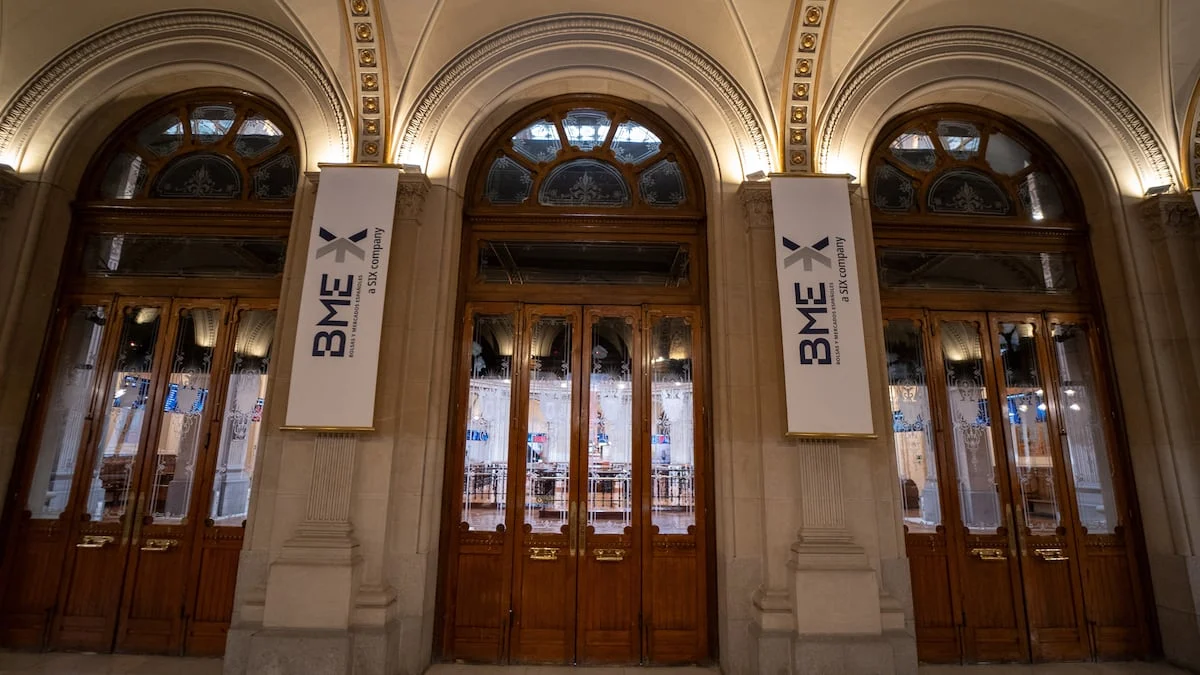
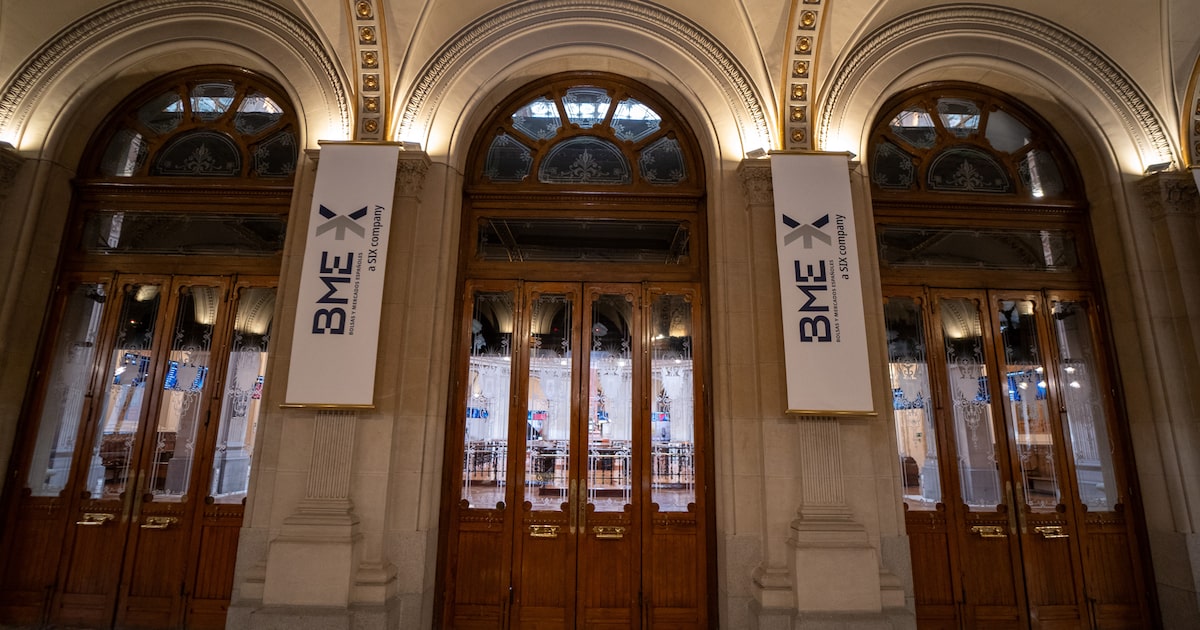
The Ibex 35 concluded Monday’s session with a modest decline, reflecting a broader climate of investor anxiety across European markets. As the index settled at 17,852.5 points—a contraction of 0.21%—the trading floor was characterized by a defensive posture, dictated more by the unpredictable currents of international diplomacy than by domestic economic indicators. The prevailing sentiment was one of "wait and see," as market participants braced for high-stakes geopolitical developments.
The Geopolitical Shadow Over Global Markets
The primary catalyst for the day’s cautious atmosphere was the notable absence of progress in weekend negotiations between the United States and Iran. Investors had spent the previous week pricing in a potential thaw in diplomatic relations, hoping that a de-escalation of tensions would stabilize the energy markets and reduce the risk of supply chain disruptions in the Middle East.
Javier Cabrera, an analyst at XTB, noted that the market had been banking on "more constructive signals" regarding the Washington-Tehran dialogue. When those signals failed to materialize, the market’s speculative bubble regarding a breakthrough burst, forcing a tactical retreat into defensive assets.
Compounding this unease is the upcoming visit of Donald Trump to China. This high-profile diplomatic mission is viewed by global analysts as a potential pivot point for international relations. Markets are currently attempting to calculate the economic fallout of potential trade policy shifts, which could redefine the balance of power between the world’s two largest economies.
A Chronology of the Session
- Morning Opening: The session began with low volatility as traders digested the weekend’s lack of progress on the Iran dossier. Early trading showed a lack of conviction, with indices hovering near the flatline.
- Mid-Day Sentiment Shift: As the European session progressed, negative sentiment intensified. The realization that diplomatic hurdles remained high led to selling pressure, particularly among large-cap stocks.
- The IAG Recovery: Mid-session, the narrative shifted toward corporate-specific news. International Airlines Group (IAG) emerged as a standout, providing a necessary counterbalance to the broader downward trend.
- Late-Session Pressure: Toward the closing bell, the banking sector succumbed to profit-taking, dragging the Ibex 35 down to its final settlement of 17,852.5 points.
Corporate Highlights: Resilience Amidst Uncertainty
While the broader index struggled, individual corporate stories offered a more nuanced view of the market’s health.
IAG’s Strategic Maneuver
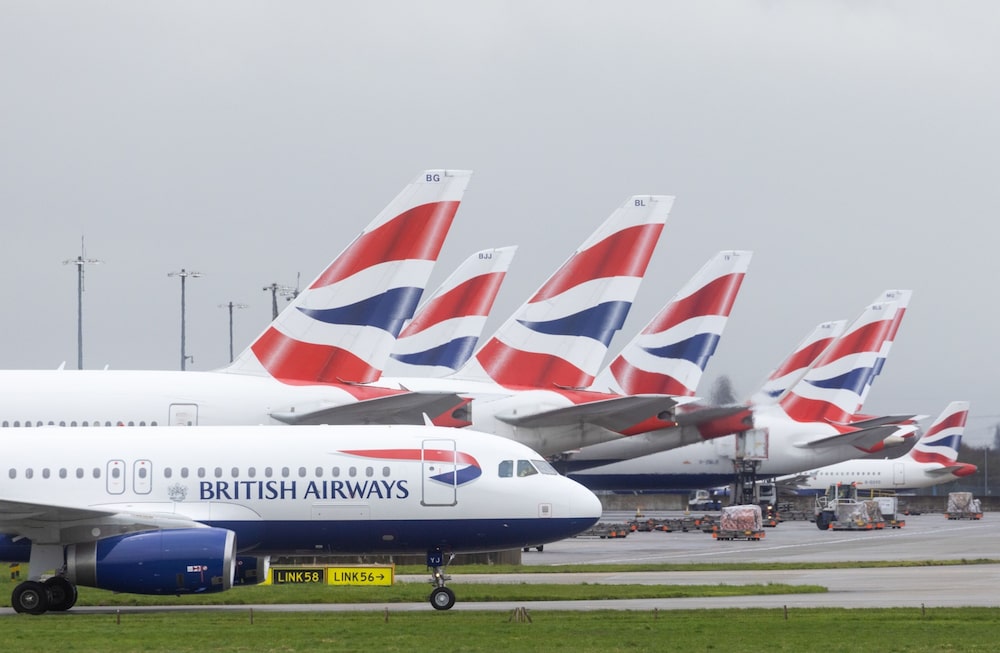
The star performer of the day was undoubtedly International Airlines Group (IAG). The parent company of British Airways and Iberia surged by nearly 6%, effectively wiping out the losses sustained following its recent earnings report. The rally was driven by a strategic announcement: the group confirmed a significant buyback of unsecured convertible bonds due in 2028. Investors lauded the move as a masterstroke in capital management, as it successfully reduces the risk of shareholder dilution and lowers the company’s future debt-servicing costs.
The Acciona Energía Speculation
Acciona Energía also drew significant attention, posting strong gains following reports from the Spanish business daily Expansión. The outlet suggested that the parent company, Acciona, is currently evaluating a potential takeover bid (OPA) for the energy subsidiary. Given that the parent already controls roughly 91% of the capital, analysts pointed out that the barrier to a total buyout is relatively low, making the prospect of a delisting a highly credible scenario.
The Drag of Heavyweights
Conversely, the "Blue Chips" acted as a anchor on the index. Inditex, the fashion retail giant, saw its shares decline by over 2%, a move that carried significant weight given its heavy capitalization. Furthermore, technology and services firms like Amadeus and Indra closed in the red. Perhaps most concerning for market analysts was the complete reversal in the banking sector; the group finished the day in negative territory, effectively stifling any potential for a broad-based rally.
Supporting Data and Energy Security
A critical component of the current market anxiety is the "Strait of Hormuz factor." China’s heavy reliance on this maritime chokepoint—through which roughly 50% of its oil imports pass—remains a major focal point for commodity traders.
However, market analysts are tempering the fear of an immediate energy crisis. According to data tracked by XTB, China currently holds oil reserves sufficient to cover approximately seven months of imports. This strategic buffer provides a margin of safety that prevents the market from reacting to current geopolitical tensions with panic-driven buying, though it does not eliminate the long-term risk of a price spike should the diplomatic impasse with Iran persist.
Implications for Global Indices
The European market, as a whole, showed a synchronized downward trend. While the German DAX demonstrated slightly more resilience than its peers, the continental trend was undeniably negative. Across the Atlantic, Wall Street maintained a more optimistic, albeit cautious, profile. U.S. markets are currently weighing the potential outcomes of the China trip and the long-term implications of an intensified sanctions regime against Iran.
Looking ahead, the market’s gaze is beginning to shift away from the current geopolitical theater and back toward the U.S. corporate earnings calendar. While the current wave of reports is tapering off, there is intense anticipation regarding the upcoming release of NVIDIA’s quarterly results. As the primary engine of the AI-driven rally, NVIDIA’s performance will serve as a bellwether for the entire technology sector and a litmus test for investor appetite for high-growth assets in a period of macro-uncertainty.
Conclusion: Navigating the Geopolitical Fog
The trading session served as a stark reminder of the fragile link between diplomatic stability and equity performance. For the Ibex 35, the combination of a stagnant peace process in the Middle East and the uncertainty surrounding U.S.-China relations has created a "geopolitical fog" that makes long-term positioning difficult.
Investors are clearly caught in a tug-of-war. On one side, corporate actions—like IAG’s bond buyback and potential restructuring within the Acciona group—show that business-specific value creation remains a priority. On the other side, macro-level threats regarding energy security and international trade relations continue to impose a "risk premium" on the entire market.
As the week progresses, all eyes will be on the diplomatic outcomes from the Beijing summit and the broader inflationary signals coming out of the United States. Until the geopolitical climate clears, market participants are likely to maintain a defensive stance, prioritizing liquidity and quality-value stocks over speculative growth, while keeping a watchful eye on the next major catalyst: the upcoming tech earnings cycle.
For those looking to navigate these waters, the prevailing wisdom from analysts remains consistent: diversify against geopolitical shocks, monitor central bank rhetoric closely, and do not overlook the strength of corporate balance sheets, which have thus far proven to be the most reliable shield against the volatility of the global political landscape.