Executive Summary: A Significant Shift in the Currency Market
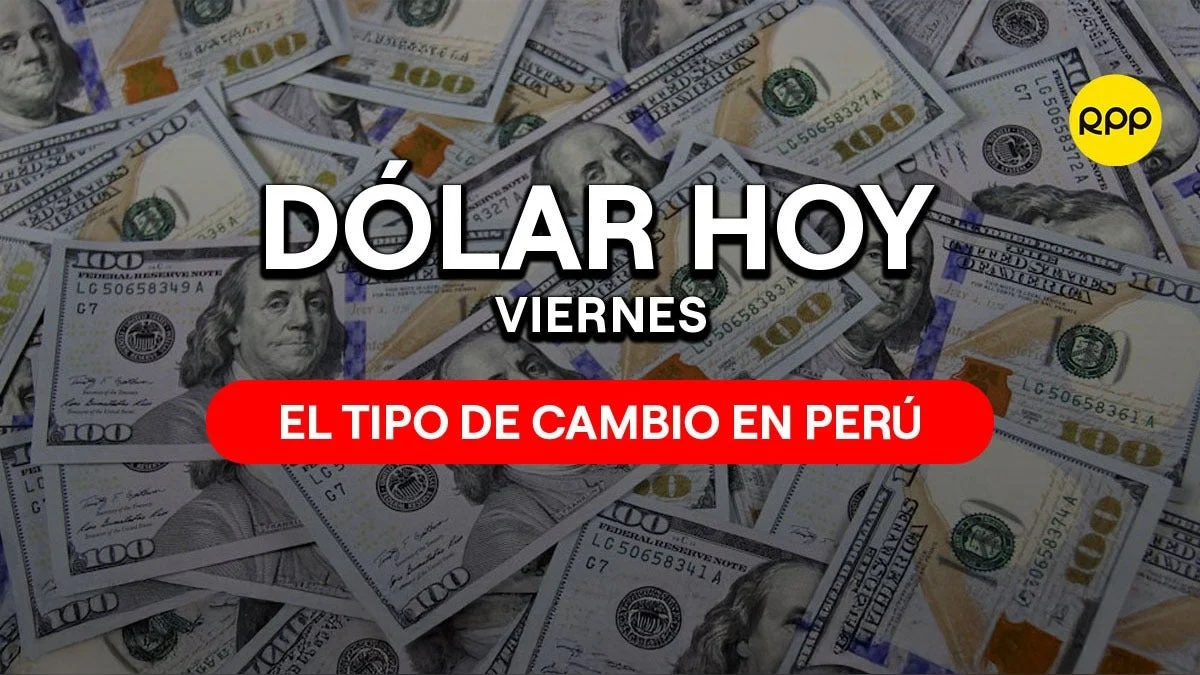
On Friday, May 8th, the Peruvian financial landscape experienced a notable movement in the foreign exchange market. According to the latest data provided by the Central Reserve Bank of Peru (BCRP), the exchange rate closed at S/3.44 per US dollar. This figure represents a decline of 0.66% in the dollar’s value against the local currency.
For the Peruvian economy, this shift is more than just a statistical fluctuation; it is a signal of the sol’s resilience and a development that carries tangible benefits for both households and corporations. As the domestic currency gains purchasing power, the cost of imported goods decreases, offering a temporary reprieve from inflationary pressures. This article explores the mechanics behind this change, the role of the BCRP, and the broader implications for Peru’s economic stability.
Chronology of Market Movements
To understand the current standing of the sol, one must look at the recent trajectory of the foreign exchange market. Throughout the week leading up to May 8th, volatility had been a defining feature of regional currencies.
- Early Week: The exchange rate showed signs of upward pressure, influenced by cautious investor sentiment regarding global trade projections.
- Mid-Week: A consolidation phase began as market participants assessed domestic indicators and the BCRP’s intervention strategies.
- Friday, May 8th: The market reacted to a combination of internal economic signals and international portfolio adjustments, resulting in the closing rate of S/3.44.
This specific movement reflects a broader trend of stabilization that has characterized the Peruvian financial system, even when neighboring economies faced heightened pressure from external fiscal shocks.
The Role of the Central Reserve Bank of Peru (BCRP)
The BCRP serves as the architect of Peru’s monetary stability. Beyond the daily reporting of the exchange rate, the institution’s primary mandate is to preserve the value of the national currency by maintaining inflation within a target range.
Monetary Policy and Inflation Control
The BCRP manages the economy through several levers, most notably the setting of the reference interest rate. By adjusting this rate, the central bank can influence the cost of credit, thereby regulating consumption and investment. When the economy faces inflationary risks, the BCRP tightens monetary conditions; conversely, during periods of sluggish growth, it provides liquidity to stimulate activity.
Safeguarding Against External Shocks
Peru’s open economy makes it susceptible to global volatility, including fluctuations in commodity prices—specifically copper and gold, which are the backbone of the nation’s exports. The BCRP’s active surveillance of the exchange rate acts as a shock absorber. By maintaining high international reserves and engaging in "sterilized intervention" in the FX market, the bank prevents abrupt currency swings that could destabilize local businesses.
Supporting Data: Why the Exchange Rate Matters
The exchange rate is a barometer for the health of an economy. When the sol appreciates (as seen in the 0.66% drop in the dollar price), several direct effects occur:
1. The Import Effect
Peru is a significant importer of consumer electronics, processed foods, and critical pharmaceutical products. A stronger sol means that importers pay fewer units of local currency for the same volume of foreign goods. This reduction in input costs is often passed down to the consumer, leading to a "deflationary" effect on imported goods.
2. Debt Management
Many Peruvian families and small-to-medium enterprises (SMEs) hold debt denominated in dollars. When the dollar weakens, the burden of these debt payments decreases in real terms. This provides a boost to disposable income and allows businesses to reallocate capital toward expansion rather than debt servicing.
3. Purchasing Power
For the average citizen, the price of the dollar directly influences the cost of living. From the cost of fuel (often pegged to international prices) to imported technology, a stable or strong sol keeps the cost of the "basket of goods" within reach for the middle class.
Official Responses and Economic Strategy
The BCRP, under its mandate, maintains a policy of "floating dirty" exchange rates. This means the market determines the price of the dollar, but the bank steps in when it perceives excessive volatility that could threaten macroeconomic stability.
Financial analysts note that the BCRP’s transparency and technical independence have earned it the reputation of being one of the most credible institutions in Latin America. Official reports from the bank emphasize that their primary goal is not to target a specific exchange rate, but rather to ensure that the transition to new levels is orderly and predictable.
By maintaining a rigorous, rules-based approach to monetary policy, the BCRP has successfully anchored inflation expectations, even during periods of global geopolitical uncertainty.
Implications for the Future: A Macro-Micro Analysis
Implications for Households
The immediate benefit of the May 8th exchange rate is a reduction in the inflationary pressure on imported items. Families planning to purchase household appliances or medicine will find that their money goes further than it did just a week prior. However, economists warn that this is a dynamic situation; families should continue to monitor these trends to make informed decisions regarding major expenditures.
Implications for Corporations
For Peruvian companies, particularly those involved in international trade, the current exchange rate environment provides a window of opportunity. Importers can optimize their procurement costs, while domestic manufacturers might find that their local products become more competitive against imports. However, exporters—who receive payments in dollars—must adapt their hedging strategies to ensure that the appreciation of the sol does not excessively erode their profit margins.
Economic Sustainability
Peru’s long-term economic strategy relies on the integration of sound fiscal policy and monetary discipline. The ability of the BCRP to manage the currency effectively has been a cornerstone of the country’s growth over the past two decades. As the nation moves forward, the synergy between government spending, private investment, and central bank policy will remain the primary determinant of stability.
Conclusion: Navigating a Complex Global Landscape
The closing rate of S/3.44 on May 8th is a testament to the ongoing stability of the Peruvian economy. While the 0.66% decline in the dollar is a positive indicator for consumers and local businesses, it is essential to view this through the lens of long-term economic management.
The Central Reserve Bank of Peru continues to play a vital role, not just as an observer, but as a proactive regulator that ensures the sol remains a reliable store of value. For investors, businesses, and citizens alike, understanding the mechanisms behind these fluctuations is not merely an academic exercise—it is a necessary step for navigating a globalized economy.
As we look beyond the immediate data of May 8th, the resilience of the sol serves as a reminder that robust institutional frameworks are the best defense against global volatility. By staying informed on the actions of the BCRP and the underlying economic trends, stakeholders can better position themselves to thrive in an ever-evolving financial environment.
Disclaimer: This report is based on current financial data and institutional reporting. Market conditions are subject to change, and economic forecasts should be treated as estimates rather than certainties.