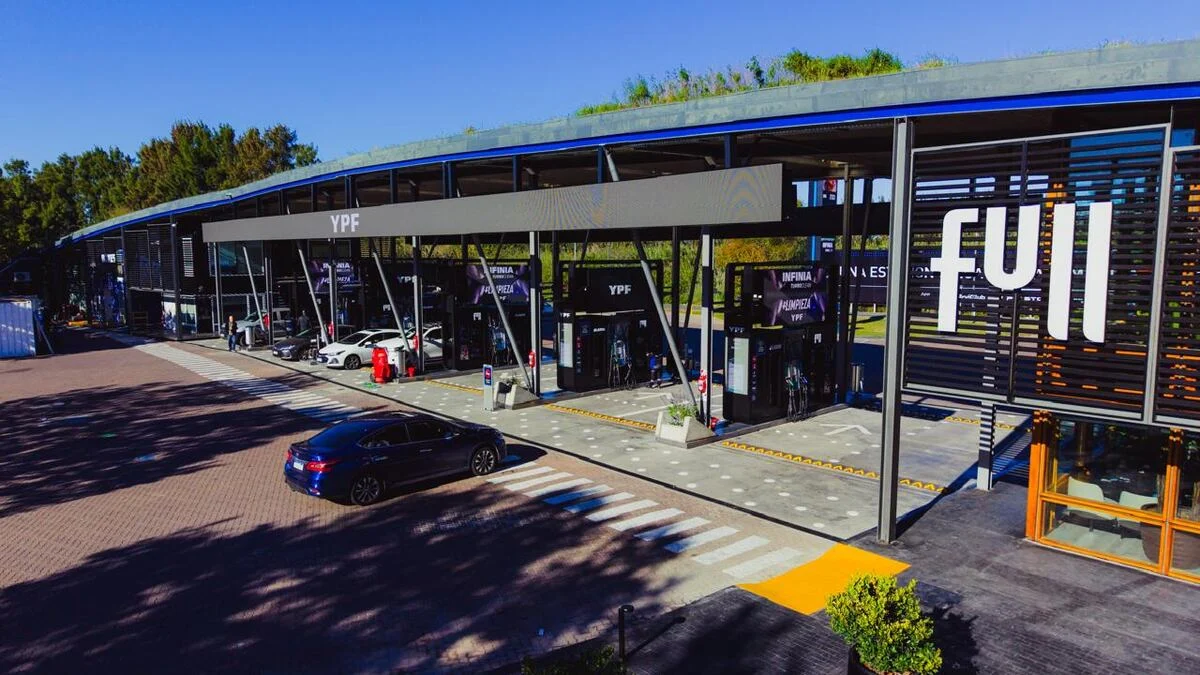
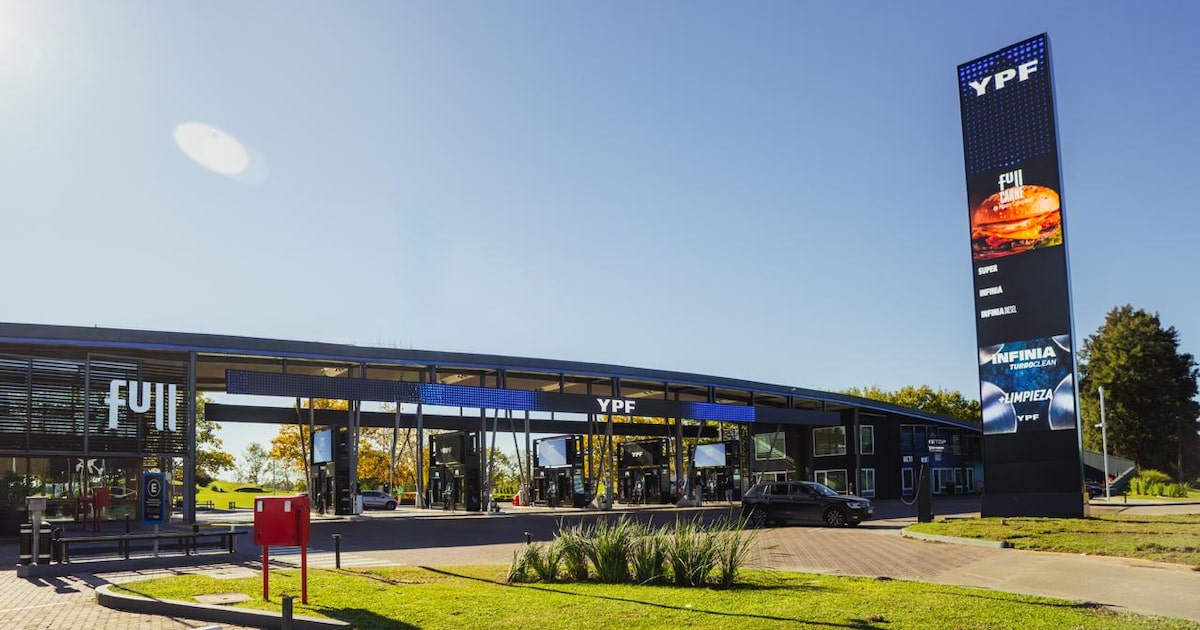
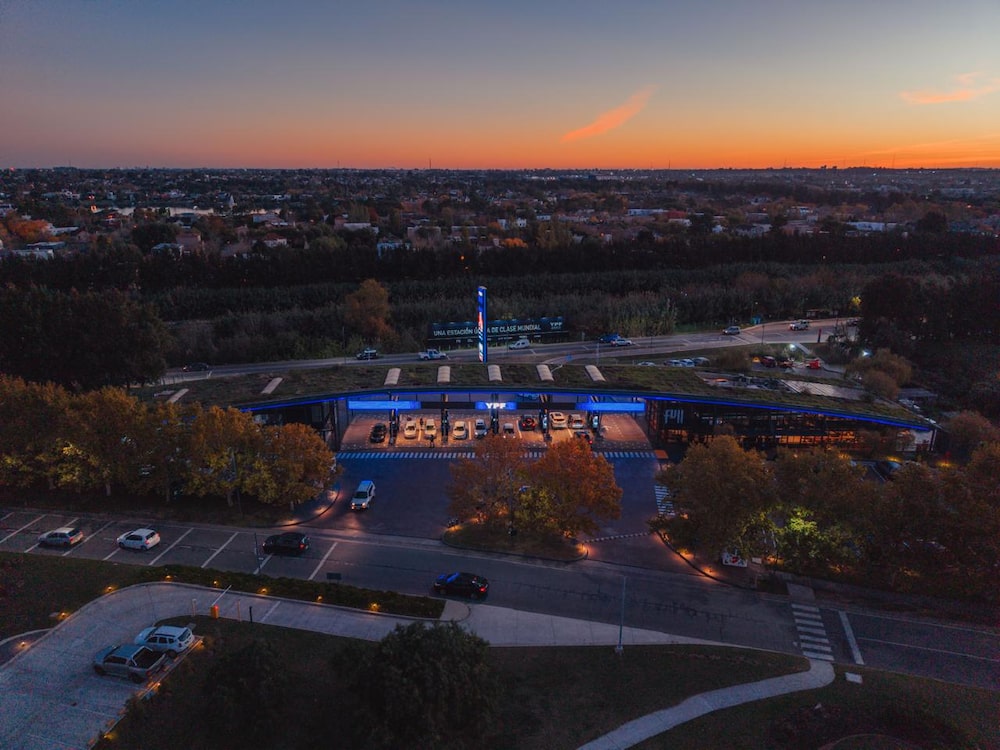
BUENOS AIRES — In a strategic move to redefine the consumer experience at the pump, YPF, Argentina’s state-controlled energy giant, has officially inaugurated its first "YPF Black" station in the exclusive enclave of Nordelta. This launch represents more than just a new coat of paint; it is the cornerstone of a comprehensive, multi-layered overhaul of the company’s retail network, aiming to blend operational excellence with high-end hospitality.
As the company navigates a complex macroeconomic landscape and intense scrutiny from investors, the rollout of the "Black" format signals an aggressive pivot toward customer-centric services. By integrating premium gastronomy, specialized vehicle maintenance, and a revamped loyalty program, YPF is betting on a "lifestyle" approach to fuel retail, attempting to elevate the standard of service across the nation.
1. The Genesis of YPF Black: A Strategic Shift
The introduction of YPF Black is the first tangible result of a broader organizational restructuring initiated under the current leadership. The company has moved to categorize its vast network into three distinct tiers: Black, Núcleo, and Refiplus.
Each tier is designed to address specific consumer habits and geographical requirements. While "Núcleo" and "Refiplus" focus on efficiency and ubiquity, "Black" is the company’s flagship, designed for high-traffic, affluent corridors where customers demand convenience, speed, and luxury.
Redefining the "Stopover"
According to YPF CEO Horacio Marín, the philosophy behind the new format is simple: a service station should no longer be viewed as a mere utility stop. "YPF Black is a new way of understanding the service station. It is not just about fueling; it is about offering a complete, superior-quality experience," Marín stated during the ribbon-cutting ceremony. The design language of the new stations reflects this, featuring sleek, modern architecture that distances itself from the traditional, industrial aesthetic of legacy stations.
2. Chronology: From Quarterly Earnings to Retail Evolution
The path to the YPF Black launch has been marked by a series of corporate milestones and market pressures.
- Early April: YPF announced a 45-day price freeze on its fuels, a move designed to support inflationary stabilization efforts but one that sparked concern among financial analysts regarding the company’s revenue margins.
- Early May: During its first-quarter earnings call, YPF reported stronger-than-expected financial results. However, the positive news was tempered by investor anxiety regarding the sustainability of the price freeze and the lack of a long-term pricing strategy.
- May 11: The company officially unveiled the inaugural YPF Black station in Nordelta.
- Post-Launch: The market is now watching closely to see how the "Black" model will be scaled and whether the high capital expenditure required for these upgrades will pay off in increased loyalty and non-fuel revenue.
3. Supporting Data: Why "Black" Matters for YPF’s Bottom Line
To understand why YPF is investing in premium retail, one must look at the company’s recent performance. In the first quarter of the year, YPF outperformed market expectations, showcasing resilience despite the challenging economic climate in Argentina. However, analysts at institutions like JPMorgan have noted that while the company has "upside potential," the long-term share price trajectory depends on balancing public service obligations with commercial profitability.
The Retail Advantage
The retail segment is a vital cash-flow engine for YPF. By shifting toward a "premium" experience, the company is effectively increasing the "share of wallet" per customer.
- Non-Fuel Revenue: The inclusion of high-end gastronomy—notably a partnership with renowned chef Mauro Colagreco—is a deliberate strategy to turn stations into destination points for meals, not just fuel.
- Operational Efficiency: The "YPF Pit Stop" concept, which offers rapid vehicle diagnostics and maintenance, creates a high-margin service stream that differentiates YPF from smaller, independent competitors.
- Loyalty Integration: The Serviclub program is being used as a hook. By offering triple points during the launch phase of YPF Black, the company is harvesting massive amounts of consumer data, which allows for hyper-personalized marketing and future revenue modeling.
4. Official Responses and Industry Reception
The reaction from leadership has been one of calculated optimism. Horacio Marín’s communication via social media emphasized that this is a "world-class" transformation. The shift is not just about technology but about cultural change within the company’s massive workforce.
"We are elevating the standard in Argentina," Marín noted. The shift involves training personnel to act more like hospitality concierges than traditional pump attendants. This human-capital investment is seen as the final piece of the puzzle in creating a consistent brand experience.
Market Skepticism vs. Enthusiasm
While the retail innovation has been welcomed, the broader financial community remains focused on the "pricing clarity" issue. During the latest earnings call, institutional investors pressed management for details on how the company plans to move away from price freezes without sacrificing market share. The YPF Black launch acts as a secondary narrative—a message to shareholders that regardless of short-term pricing volatility, the company is focusing on long-term brand equity and infrastructure modernization.
5. Strategic Implications: A New Era for YPF
The rollout of YPF Black is a high-stakes experiment in brand positioning. By creating a tiered service structure, YPF is essentially segmenting its own market.
The "Federal" Challenge
One of the core tensions in YPF’s strategy is its identity as a national, federal company. How does it balance a luxury "Black" experience in affluent areas like Nordelta with its obligation to provide reliable, affordable fuel in rural and lower-income regions?
The answer lies in the tripartite strategy (Black, Núcleo, Refiplus). By segmenting the network, YPF can tailor its investments to the specific demographics of each region. In urban centers, the focus will likely shift toward the "Black" model, while the rest of the country will see a standardized, efficient "Núcleo" upgrade. This allows the company to remain a ubiquitous presence while optimizing its return on investment.
Economic Context
The timing of this launch is critical. Operating under a 45-day price freeze requires significant operational efficiency. The fact that YPF is launching a "premium" service during a period of price suppression suggests that the company is looking to build "brand stickiness." Even if the price of fuel is uniform, the experience of where a customer chooses to spend their money can be differentiated.
Looking Ahead: The Future of Mobility
As the automotive industry pivots toward electric vehicles and alternative fuels, the service station of the future must be more than a gas tank. YPF’s new format is designed to be future-proof. By emphasizing the "experience" (gastronomy, coffee, specialized services), the company is preparing for a future where the actual act of fueling may become secondary to the services offered during the downtime of charging or refueling.
Conclusion
The launch of the first YPF Black station in Nordelta is a bold statement of intent. It demonstrates that despite the macroeconomic headwinds, the company is committed to modernization and premiumization. Whether this strategy will be enough to satisfy skeptical investors remains to be seen, but from a brand perspective, YPF is clearly positioning itself to dominate the next decade of retail fuel in Argentina.
By prioritizing customer experience, integrating high-end partnerships, and segmenting its retail network for efficiency, YPF is attempting to turn the service station into a modern hub of commerce and convenience. For the Argentine consumer, the era of the "standard" stop at the pump appears to be coming to an end, replaced by a vision that prioritizes speed, comfort, and, ultimately, a better class of service.