Executive Summary: A New Dawn for the Talara Basin
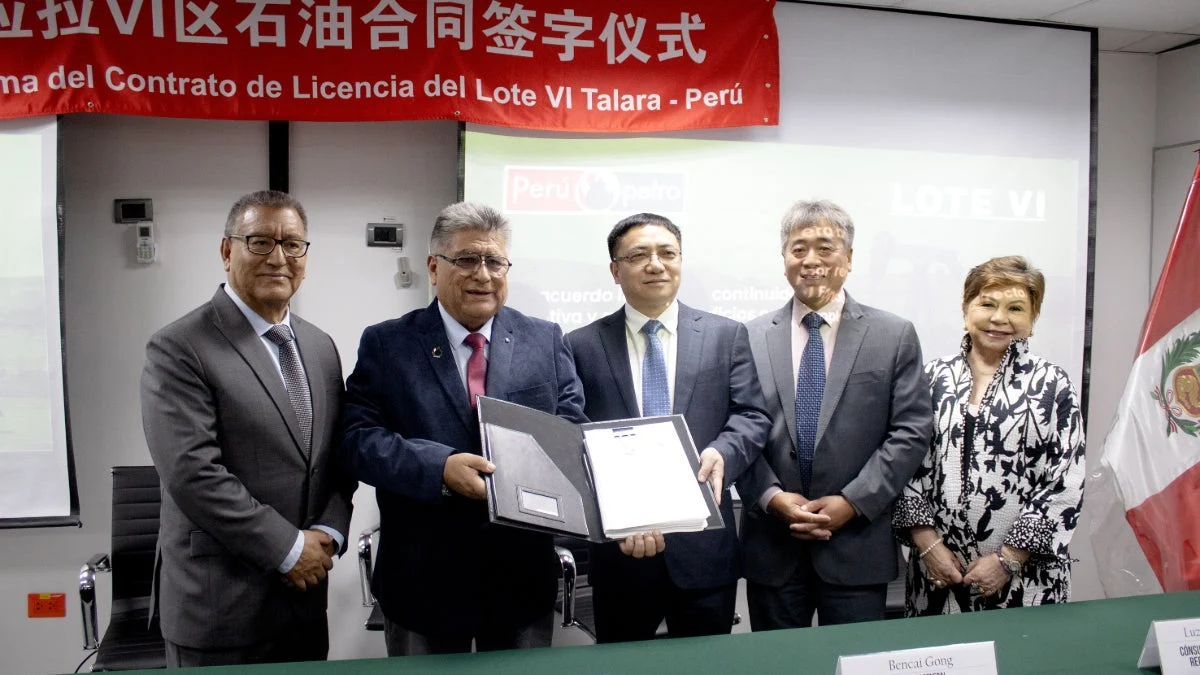
The landscape of Peru’s hydrocarbon sector is undergoing a significant transformation. Perupetro S.A., the state entity responsible for promoting investment in oil and gas exploration and exploitation, has officially signed a landmark License Contract for the exploitation of the Lote VI in Talara, Piura. This strategic move, involving Latin America Energy and Technology Corporation S.A.C.—a subsidiary of the global energy powerhouse SPT Energy—marks a pivotal moment in the nation’s efforts to revitalize its mature energy basins.
The project is ambitious in scale, backed by an initial investment exceeding US$ 300 million to be deployed over the first decade of operations. With a total contractual lifespan of 30 years, the initiative is set to redefine the operational footprint of the Talara Basin through a massive drilling campaign, infrastructure upgrades, and a commitment to long-term energy security for the Peruvian state.
The Core Project: Engineering a 30-Year Roadmap
The central pillar of the Lote VI project is its intensive development strategy. Over the next three decades, the project aims to unlock significant hydrocarbon reserves that have remained under-tapped. The operational plan for the first 10 years is particularly aggressive, focusing on the following technical milestones:
- Development Drilling: The drilling of 323 new development wells designed to tap into existing, proven reservoirs.
- Exploratory Ambition: The execution of 40 exploratory wells, aimed at identifying and validating new geological structures within the basin.
- Asset Rehabilitation: 120 major well workovers (reconditioning) to restore and optimize production from existing infrastructure.
By integrating these efforts, Perupetro projects the successful development of approximately 22.8 million barrels of oil and 42.5 billion cubic feet of natural gas. This volume is critical not only for the economic health of the Piura region but also for the stabilization of Peru’s domestic energy supply chain.
Chronology: From Legislative Framework to Operational Reality
The path to this contract signature was paved by careful regulatory maneuvering and inter-institutional coordination.
- Pre-contractual Phase: Recognizing the need for investment in the mature Talara fields, the Ministry of Energy and Mines (MINEM) prioritized the regulatory framework required to attract private capital.
- April 28, 2026: The definitive legal milestone was reached with the publication of Supreme Decree N° 004-2026-EM. This decree authorized the executive branch to enter into the contract, providing the necessary legal certainty for SPT Energy to move forward with its financial commitments.
- Contract Signing: Following the decree, the formal signing ceremony solidified the partnership between Perupetro and the Latin America Energy and Technology Corporation, marking the official "green light" for operations.
- Future Phases: The upcoming months will focus on the mobilization of heavy machinery, environmental permitting, and the commencement of the initial drilling phase, which is expected to ramp up through the latter half of the decade.
Supporting Data and Economic Projections
The economic impact of this project extends far beyond the production of hydrocarbons. The investment of US$ 300 million in the first 10 years serves as a catalyst for regional economic growth in several dimensions:
1. Fiscal Contributions
The project is structured to ensure that the wealth generated from these resources flows back into the state and local governments. Through the payment of royalties, the Canon Petrolero (oil tax revenue), and standard corporate income taxes, the Lote VI project will serve as a consistent revenue stream for the Piura region. These funds are legally earmarked for local infrastructure, healthcare, and education projects.
2. Job Creation
The project is expected to be a major engine for employment. This includes:
- Direct Employment: Specialized roles in drilling engineering, geological survey, site management, and safety compliance.
- Indirect Employment: The ripple effect will benefit the local service economy, including logistics, catering, transportation, housing, and maintenance services, which are essential to supporting a large-scale industrial operation.
3. Efficiency Metrics
SPT Energy brings to the table international standards of operational efficiency. By implementing modern drilling techniques and secondary recovery methods, the operator expects to maximize the "recovery factor" of the basin, ensuring that the project remains economically viable even in fluctuating global oil price environments.
Official Responses: A Vision for Energy Sovereignty
The signing ceremony provided a platform for high-level officials to articulate the strategic importance of the project.
The Ministry’s Perspective
Marco Agama Rodríguez, the Viceminister of Hydrocarbons at MINEM, highlighted that the contract is a clear vote of confidence in Peru’s geologic potential. "The development of Lote VI will allow us not only to sustain and optimize production in a mature basin like Talara but also to generate new opportunities for exploration, contributing directly to the country’s energy security," Agama Rodríguez stated. He emphasized that the government remains committed to creating a stable and competitive regulatory environment to attract further investment in the sector.
The View from Perupetro
Pedro Arce, General Manager of Perupetro, underscored the socio-economic dimension of the project. He noted that the success of the contract would be measured not just in barrels produced, but in the prosperity it brings to the surrounding communities. "Each barrel produced under standards of efficiency and social responsibility is a direct boost to the economy of Talara and the nation," Arce affirmed.
The Operator’s Commitment
Ethan Wu, representing SPT Energy, emphasized that the company is fully aware of its environmental and social obligations. He committed to operating with high standards of safety and efficiency, explicitly mentioning a strategy of close collaboration with local communities. The goal, according to Wu, is to turn Lote VI into a benchmark for modern, responsible, and efficient oil production in Peru.
Implications: Securing the Future of the Talara Basin
The reactivation of Lote VI is a microcosm of the challenges and opportunities facing Peru’s energy sector.
Addressing the "Mature Basin" Challenge
Talara is a historically significant basin, but its production has naturally declined over the decades. The injection of $300 million in new technology and extensive drilling is the standard solution to "mature field decline." By shifting from basic maintenance to aggressive exploration, the project aims to reverse the downward production trend that has historically plagued the region.
The Role of International Expertise
The entry of a subsidiary of SPT Energy signifies the importance of bringing in global players with specialized technological capabilities. Advanced seismic imaging, horizontal drilling, and automated well management are essential to accessing deep-seated or fragmented reservoirs that were unreachable during the initial phases of Talara’s development.
Environmental and Social Governance (ESG)
In the modern energy landscape, operational permits are contingent upon social license. The project’s success will largely depend on how the operator manages the relationship with the Talara community. The focus on "high standards of safety and efficiency" mentioned by SPT Energy suggests an awareness that technical prowess must be paired with transparent, sustainable community engagement.
Long-term Strategic Outlook
Looking toward the next 30 years, this contract ensures that Talara remains a cornerstone of the Peruvian energy mix. As the global energy transition progresses, the need for domestic hydrocarbon production remains a critical hedge against global supply chain volatility. By securing these reserves now, the government is ensuring that Peru retains a degree of autonomy over its energy destiny, while simultaneously fostering a sector that contributes to the national GDP through both fiscal revenue and industrial activity.
Conclusion
The signing of the Lote VI contract is a definitive step toward the modernization of the Peruvian energy sector. By blending a massive financial commitment with a clear, 30-year operational vision, the partnership between Perupetro and SPT Energy provides a blueprint for how mature basins can be revitalized. If the project meets its targets for drilling, production, and community integration, it will likely serve as the gold standard for future investments in the region, proving that Talara’s hydrocarbon story is far from over—it is, in fact, entering a new, more advanced chapter.