The dream of a world-class gateway to the heart of the Inca Empire remains elusive. The Chinchero International Airport (AICC), envisioned as a transformative project to boost tourism and modernize connectivity in Cusco, Peru, has plunged into a deeper state of uncertainty. A scathing report from the Office of the Comptroller General (Contraloría) has exposed a series of critical failures, ranging from an unauthorized two-year extension of the construction timeline to significant financial shortfalls and unresolved social debts.
The project, which has already been mired in delays for over a decade, now faces the reality of a new deadline: December 2028, pushing the completion date far beyond the originally promised December 2026. This latest development threatens to inflate investment costs further and raises alarming questions regarding the governance and oversight of one of Peru’s most ambitious infrastructure endeavors.
The Anatomy of a Slipping Timeline
According to the Comptroller’s Control Milestone Report 5815-2026-CG/MPROY-SCC, the project contractor unilaterally submitted a revised bimonthly schedule in February of this year. This adjustment effectively shifted the completion date for the Passenger Terminal (Package 6) and the perimeter fencing (Package 2) to December 13, 2028.
This shift represents a staggering 712-day delay from the contractual target. The Comptroller emphasized that this modification lacks the necessary technical justification and appears to contravene the original contractual framework, which dictates that any revised schedule must adhere to the same rigorous standards and feasibility requirements as the initial plan.
Furthermore, the oversight body pointed to a glaring lack of proactivity from the project’s supervisors. Contractual protocols mandate that if construction progress falls behind, the supervisor must immediately demand a recovery program accompanied by a technical report outlining how the contractor intends to accelerate works to meet the original deadline. The absence of such corrective measures suggests a systemic failure in the project’s management hierarchy.
A Chronology of Stagnation
To understand the severity of the current situation, one must look at the historical trajectory of the Chinchero project.
- 2014–2016: The Initial Hurdles: The project began under a cloud of controversy regarding land acquisition and archaeological concerns, leading to early delays and political friction.
- 2017: The Failed Concession: An initial contract was signed, only to be rescinded following intense public scrutiny and allegations of impropriety, leading to a complete reset of the procurement process.
- 2019: The State-to-State Agreement: Peru signed an intergovernmental agreement with the Republic of Korea to provide technical assistance and oversight through a Project Management Office (PMO). This was intended to ensure transparency and efficiency.
- 2021: Commencement of Works: After years of planning, major physical construction finally broke ground.
- 2024: The Current Crisis: Despite the PMO oversight, the project has suffered from inconsistent execution, culminating in the 2028 revised deadline notification.
Throughout this timeline, seven distinct addenda have been attached to the original contract. Each amendment has served to increase the investment cost, which has now ballooned to an estimated S/ 3.067 billion, a figure that continues to rise as the schedule slips further into the future.
Critical Infrastructure Under Suspension
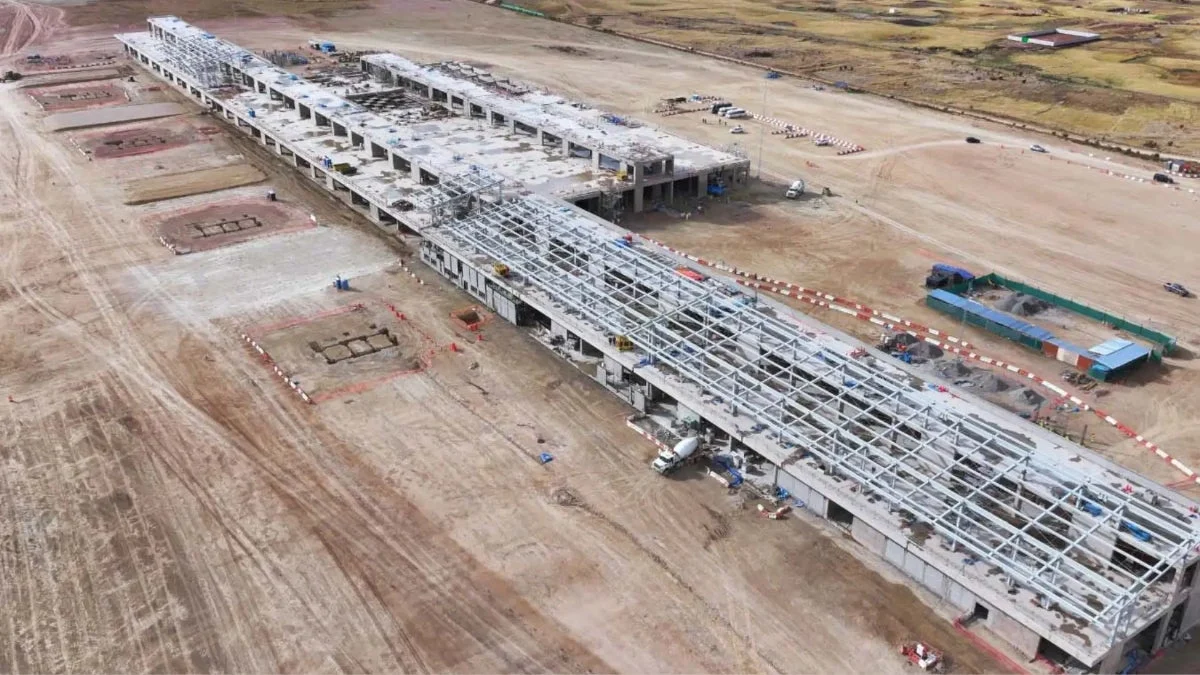
During a site inspection conducted in April, auditors witnessed a 27% delay in progress for the terminal and perimeter fencing—a figure that underscores a significant lack of pace. Perhaps most concerning is the revelation that the contractor unilaterally halted work on several key sections of the terminal, focusing only on the metal roof structure.
The suspension of work on the perimeter fence and the primary terminal structure, without express authorization from the supervisor, is a direct violation of contractual obligations. The Comptroller’s report warns that these "stop-start" practices are not only inefficient but also legally unsupported, leaving the Peruvian state in a precarious position regarding its contractual leverage over the builder.
Financial Fragility: The MTC’s Budgetary Black Hole
Beyond the physical delays, the project is battling a severe financial crisis. The Ministry of Transport and Communications (MTC) is currently facing a significant budgetary deficit for the current fiscal year.
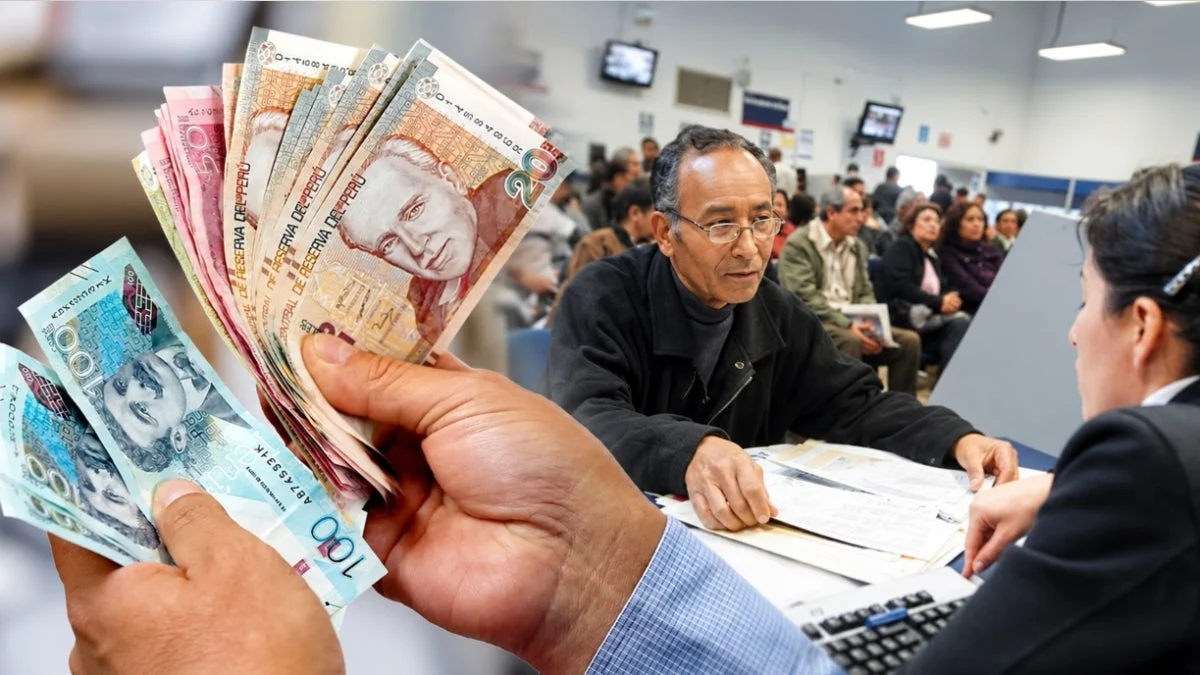
Data indicates that the MTC programmed expenses totaling S/ 477.4 million for the airport’s development in 2024. However, the actual budget allocated to the project stands at only S/ 412.1 million. This leaves a gap of approximately S/ 65.3 million. This shortfall threatens the immediate continuity of works, as the MTC may find itself unable to meet its financial commitments to the contractors and suppliers, potentially leading to further work stoppages and legal disputes.
Social Conflict: The Human Cost of Delay
Perhaps the most sensitive aspect of the Comptroller’s report is the status of the local communities. The project has an outstanding debt of US$ 895,562 owed to suppliers from the peasant communities of Ayllopongo, Racchi Ayllu, and Yanacona, all located within the district of Chinchero.
These communities are the direct stakeholders in the airport’s development, and their cooperation is essential for the project’s long-term success. The report from the PMO indicates that these payment delays are not isolated incidents but a recurring pattern over the last few years. This persistent financial negligence risks igniting social unrest. History has shown that in the Peruvian highlands, infrastructure projects that neglect the economic rights of local communities often face road blockades, strikes, and total project paralysis.
Implications for the Future of Cusco
The implications of these failures are profound. The Chinchero International Airport was intended to be the solution to the capacity limitations of the Alejandro Velasco Astete Airport in Cusco, which is currently operating near its maximum limit. By failing to deliver the new terminal, the region is missing out on millions of dollars in potential tourism revenue and the opportunity to scale up its logistics and trade capabilities.
Economic Impact
The continued increase in investment costs, now exceeding S/ 3 billion, represents an immense burden on the national treasury. Every day of delay translates into lost interest, increased construction costs due to inflation, and the ongoing operational costs of maintaining a stalled site.
Institutional Credibility
The failure of the "State-to-State" model in this instance raises uncomfortable questions about the effectiveness of international oversight. Despite the presence of the Korean PMO, the project has failed to maintain its schedule or its budget. This undermines public trust in the ability of the Peruvian government to execute complex, multi-year infrastructure projects.
The Path Forward
The Comptroller has urged the MTC to take immediate, corrective action. This includes:
- Enforcing the Contract: Reasserting authority over the contractor to ensure that the work schedule is brought back into alignment with the project’s original objectives.
- Addressing the Deficit: Seeking urgent budgetary adjustments to cover the S/ 65 million shortfall to prevent further stagnation.
- Resolving Social Liabilities: Prioritizing the payment of debts to the local communities to restore trust and ensure social peace.
As the deadline drifts further into the future, the Chinchero International Airport stands as a monument to the challenges of public management in Peru. Whether it will ever truly serve as the grand gateway to the Andes remains a question of political will, fiscal responsibility, and the capacity of the state to hold its partners accountable. Without drastic changes in the coming months, the 2028 deadline may prove to be just another milestone in a project defined by its unfinished promise.