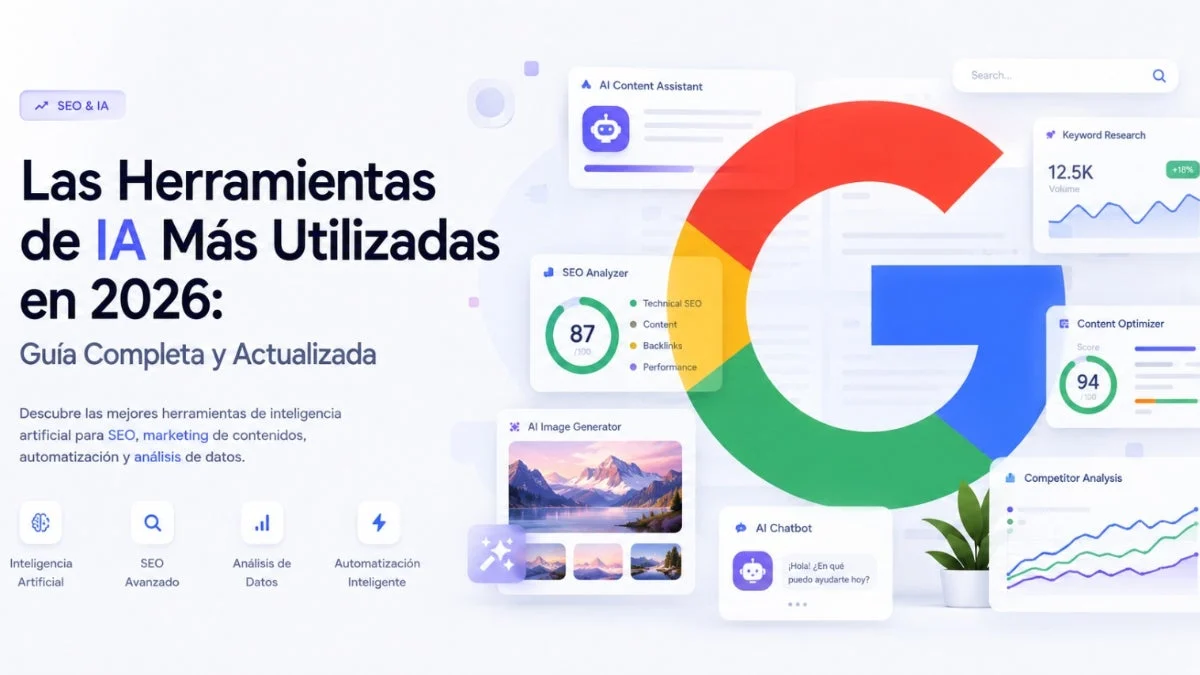
Artificial Intelligence is no longer a futuristic concept discussed in academic circles or science fiction novels; it is the fundamental infrastructure of our daily reality in 2026. From the way we draft professional documents and generate high-fidelity multimedia content to the sophisticated algorithms used to verify the authenticity of information, AI has woven itself into the fabric of modern productivity.
As millions of users worldwide integrate these tools into their workflows, navigating the vast landscape of available software can be daunting. This guide explores the most popular, effective, and accessible AI tools of 2026, offering a roadmap for both casual users and industry professionals to maximize their daily efficiency.
The Evolution of AI: A Chronology of Integration
The trajectory of Artificial Intelligence over the last few years has been nothing short of exponential.
- 2022–2023: The Dawn of Generative Models. The public release of ChatGPT and early image generators marked the beginning of the "Generative Era," where LLMs (Large Language Models) moved from experimental code to public interfaces.
- 2024: The Year of Optimization. Focus shifted toward quality and specialized applications. Tools like Aithor and GPTZero emerged to address the growing demand for academic integrity and content refinement.
- 2025: Multimodal Integration. AI ceased to be strictly text-based. Video and audio generation reached professional standards, leading to the rise of platforms like Kling AI and Google’s Veo-integrated Flow.
- 2026: The Ecosystem Consolidation. Today, we are witnessing the integration of these disparate tools into unified "creative workspaces." Companies like Google are merging text-to-image, video generation, and development environments into singular, seamless platforms.
Essential AI Writing and Academic Assistants
Aithor AI: The Gold Standard for Academic Integrity
Aithor has established itself as a premier assistant for students, researchers, and content creators. Its core philosophy is to support the user throughout the entire writing lifecycle—from brainstorming and structure development to citation management.
The platform is particularly prized for its "Humanization" module. By transforming content generated by standard LLMs into prose that mirrors human rhythm and syntax, Aithor helps users bridge the gap between efficiency and authenticity. Furthermore, its built-in, real-time integration with detection services like GPTZero and Originality.ai ensures that users remain cognizant of how their work is perceived by automated evaluators.
Rewritify: Mastering the "Human Touch"
In the era of automated content, Rewritify has emerged as a specialized tool for overcoming the "robotic" stigma of AI-generated text. Leveraging a dataset of over 1.6 trillion parameters trained on authentic human literature, it adjusts rhythm, tone, and sentence structure to ensure content is undetectable by sophisticated scanners like Turnitin or Copyleaks. For SEO professionals, Rewritify is an essential utility, as it maintains keyword density while avoiding Google’s algorithmic penalties for low-quality automated content.

The Multimedia Frontier: Video and Design
Kling AI: Cinematic Quality at Your Fingertips
Developed by Kuaishou Technology, Kling AI has revolutionized the video production landscape. The latest iteration, Kling 3.0, offers native 4K resolution, precise lip-syncing, and a unique "Canvas Agent" that serves as an intelligent storyboard assistant. By unifying image, voice, and sound effects in a single pass, it has become the tool of choice for independent filmmakers and social media content creators looking for a cinematic edge.
Google Flow: The Unified Workspace
Google’s recent restructuring of its AI creative tools has culminated in the "Flow" platform. Built on the powerful Veo model, Flow integrates previous standalone tools like Whisk and ImageFX into a single workspace. This allows for seamless transitions between conceptualizing a scene, generating visuals, and animating them with precise camera control. It is arguably the most cohesive tool for those already embedded in the Google ecosystem.
Detecting the Machine: The Role of Verification
As the volume of AI-generated content grows, the necessity for robust verification tools has never been higher.
GPTZero: The Leader in Transparency
Since its inception by Princeton student Edward Tian in 2022, GPTZero has become the most trusted name in AI detection. With over 10 million active users, it employs two critical metrics:
- Perplexity: A measure of how "surprised" a language model is by a text sequence.
- Burstiness: The variation in sentence structure and length—a hallmark of human writing.
By analyzing these metrics, GPTZero provides a highly accurate assessment of whether a document was written by a human or a machine, maintaining a reported accuracy rate of 99% in controlled environments.
Professional Development: Google AI Studio and Claude
Google AI Studio
For developers and power users, Google AI Studio provides a browser-based environment to prototype applications using the Gemini 3 model. Unlike standard chat interfaces, AI Studio offers granular control over parameters like "Temperature" (creativity level) and "System Instructions" (behavioral constraints). It is the premier tool for those looking to move from mere chatting to building actual software solutions.
Claude IA: The Versatile Conversationalist
Claude has cemented its position as a favorite among enterprise users. With the Claude 4 family, including the high-complexity "Opus" and the efficient "Sonnet," the platform handles everything from complex data analysis to software debugging. Its recent addition, "Claude Code," allows developers to interact with the model via command-line interfaces, making it a powerful partner in technical workflows.
Comparative Data: Best Free Tools for Daily Use
| Tool | Primary Function | Free Offering | Best For |
|---|---|---|---|
| Kling AI | Video Generation | 66 credits/day | Filmmakers & Social Media |
| Google Flow | Video/Image Studio | Limited monthly quota | Creative Professionals |
| Runway ML | Video Editing | Limited credits | VFX & Independent Film |
| Pika Labs | Stylized Video | Free-tier access | Art & Creative Projects |
| Luma AI | Image-to-Video | Monthly generations | High-quality animation |
Implications: The Ethics of AI Integration
The rise of these tools brings significant implications for global policy and individual ethics.
Regulatory Responses:
Governments are becoming increasingly cautious. For example, recent legal actions in China against Meta regarding the acquisition of AI platforms like Manus highlight the geopolitical tension surrounding AI sovereignty. Similarly, in Brazil, investigations into Google regarding "abusive dominance" in the news sector demonstrate a global shift toward stricter oversight of how AI impacts media and intellectual property.
The Human-AI Synergy:
The most critical takeaway from the current state of technology in 2026 is that AI is a force multiplier, not a replacement for human intellect. Professionals who treat these tools as "co-pilots" rather than "autopilots" are consistently outperforming those who attempt to fully automate their output.
Conclusion: How to Choose Your Tool
Selecting the right tool depends entirely on your objectives:
- For Academic/Professional Writing: Utilize Aithor for drafting and Rewritify to ensure your final output sounds natural and human.
- For Visual Content Creation: If you need professional, cinematic video, Kling AI remains the most generous and powerful option for daily use.
- For Development and Data: Google AI Studio and Claude offer the best control and logic-based processing for complex tasks.
- For Verification: Always keep GPTZero or ZeroGPT bookmarked to ensure that your research and content remain authentic.
As we move further into 2026, the barrier to entry for high-quality content production continues to collapse. The challenge is no longer how to create, but what to create. By mastering these tools, you are not just keeping pace with the technology—you are defining the future of your own creative and professional output.