Introduction: A Pivotal Moment for a Historic Party
As Peru approaches the 2026 General Elections, Acción Popular (AP)—one of the nation’s most historic political institutions—finds itself navigating a complex landscape of internal restructuring and strategic electoral positioning. With the party celebrating its 70th anniversary, the leadership is currently grappling with how to maintain its relevance in an increasingly fragmented political ecosystem.
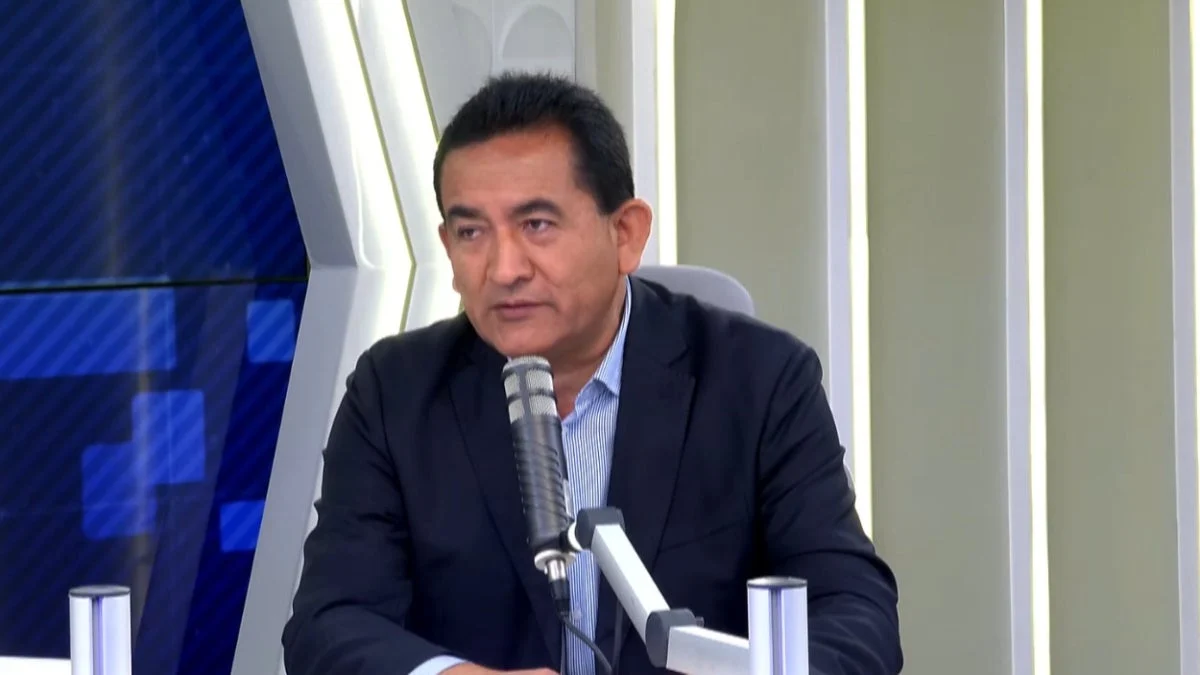
Juan Carlos Oyola, the Secretary General of Acción Popular, has recently signaled a departure from traditional party-line endorsements. In a series of statements, he indicated that the organization is weighing the possibility of granting its militant base "electoral independence" for a potential second-round scenario, allowing members to vote according to their conscience rather than a top-down institutional mandate. This move reflects a broader attempt by the party to manage internal discord while maintaining a focus on economic stability and institutional governance.
Chronology of Recent Political Maneuvering
The current state of Acción Popular is the result of months of internal pressure and external political shifts. To understand the gravity of the upcoming decisions, one must look at the recent timeline of the party’s development:
- Mid-2024: The party began internal discussions regarding the selection of delegates and the formalization of its presidential nomination process, amid growing concerns over internal factions.
- Late 2024 (70th Anniversary): Marking seven decades of political activity, the leadership initiated a push for an "Estatutory National Congress" to address the structural dual-leadership issues that have historically hindered the party’s efficiency.
- Early 2025 (Current Period): The focus has shifted toward the 2026 electoral horizon. The leadership has strictly prohibited any militant from seeking a candidacy through another political organization, reinforcing party discipline while simultaneously opening the debate on how to handle the inevitable second-round vote.
- The Upcoming Plenary: A National Plenary is currently being organized to serve as the definitive forum where the party’s stance on the second round of the 2026 elections will be formalized.
Strategic Positioning: The Second Round Dilemma
The question of who Acción Popular will support in a hypothetical second round has become a central point of inquiry. Juan Carlos Oyola has acknowledged that the political climate resembles the volatility of 2021, a year that challenged the traditional party structures across Peru.
The "Conscience Vote" Proposal
Oyola has explicitly stated that the party is exploring a "third option." Rather than choosing between two candidates—which risks alienating segments of their diverse membership—the party is considering a neutral stance. By opting for a "conscience vote," the leadership would allow its followers to support whichever candidate they feel aligns best with their individual values, provided that the candidate’s platform does not contradict the party’s core principles of economic stability.
The Filter of Economic Stability
A critical takeaway from the party’s leadership is the rejection of any political platform that promotes "economic stagnation" or "retrograde policies." For Acción Popular, the economic trajectory of the country is the primary concern. Oyola emphasized that the party’s leadership will rigorously analyze the proposals of all potential contenders, specifically examining how these proposals might navigate the legislative process through the future configuration of the Chamber of Deputies and the Senate.
Internal Reform: Addressing the Dual-Leadership Crisis
Acción Popular’s path to 2026 is obstructed by persistent internal friction. The party has long been hampered by a structure that, at times, features competing centers of power. To address this, there is an active proposal to amend the party statutes during a forthcoming National Congress.
Consolidating Authority
The proposed reform aims to streamline the organization by establishing a single, clear leader—the National Secretary General. By moving toward a more centralized model, the leadership hopes to:
- Eliminate Public Discrepancies: Ending the era where multiple authorities issue conflicting statements.
- Restore Unity: Ensuring that all members of the party work "mancomunadamente" (in unison) to prevent distractions among the grassroots base.
- Strengthen Institutional Identity: Providing a clear, unified voice for the electorate to identify with during the campaign season.
Oyola noted that while two authorities may exist currently, they must strive to coordinate their efforts to ensure the survival of the party’s image during this high-stakes election cycle.
Official Stances on Constitutional Debates
One of the most contentious issues in current Peruvian politics is the proposal for a Constituent Assembly. On this front, Acción Popular remains cautious.
Secretary General Oyola has expressed a pragmatic view, suggesting that the debate surrounding a new constitution is often used to generate "political noise." Furthermore, he pointed out the reality of the current legislative landscape: the existing parliamentary composition would make the implementation of a Constituent Assembly functionally impossible. By prioritizing economic governance over radical constitutional restructuring, the party is signaling its intent to appeal to centrist and moderate voters who are weary of political instability.
Supporting Data and Contextual Analysis
To appreciate the gravity of these decisions, one must look at the electoral environment in Peru:
- Legislative Hurdles: As noted by party leaders, the ability of any future president to govern will rely heavily on the composition of the new bicameral legislature. AP’s strategy of "differentiating proposals" suggests a focus on the practicalities of governance rather than populist rhetoric.
- Historical Context: Acción Popular has deep roots in the history of Peru, having produced several presidents. Its ability to adapt its structure—or lack thereof—is often seen as a barometer for the health of traditional political parties in the country.
- Voter Sentiment: The electorate is increasingly disillusioned with traditional parties. AP’s move toward internal democratic freedom (the "conscience vote") may be a tactical effort to prevent a mass exodus of voters who feel restricted by formal party endorsements.
Implications: What This Means for the 2026 Elections
The decisions currently being made within the corridors of Acción Popular will have significant ripples across the Peruvian political landscape:
- Fragmented Endorsements: If AP chooses not to take an official stance in the second round, it will leave a large block of centrist voters up for grabs. This could be a decisive factor in a tight election.
- Party Modernization: The success or failure of the National Congress to consolidate leadership will determine if AP can emerge as a cohesive force or if it will continue to be plagued by internal infighting.
- The "Economic Stability" Bloc: By framing their support through the lens of economic growth, Acción Popular is clearly positioning itself as a defender of free-market principles and institutional stability, aiming to capture the moderate vote.
Conclusion: A Party in Transformation
As Acción Popular moves toward the 2026 General Elections, the party is attempting to balance its 70-year legacy with the demands of a rapidly changing political reality. The leadership’s willingness to entertain a "conscience vote" and its push for structural reform indicate a party that is acutely aware of its need to evolve.
Whether these changes will be enough to propel the party back into the spotlight of national governance or whether they serve merely as a survival mechanism remains to be seen. What is clear, however, is that for Acción Popular, the upcoming National Plenary and the planned National Congress are not just administrative formalities—they are existential tests. The decisions reached in these forums will define the party’s trajectory for the next decade and will undoubtedly influence the broader direction of Peru’s political future.
As the country braces for the 2026 elections, all eyes will be on how Acción Popular manages its internal tensions and whether its quest for unity can withstand the pressures of a highly polarized national environment. The party stands at a crossroads, and its next steps will be scrutinized by allies, rivals, and the Peruvian public alike.