By Editorial Staff
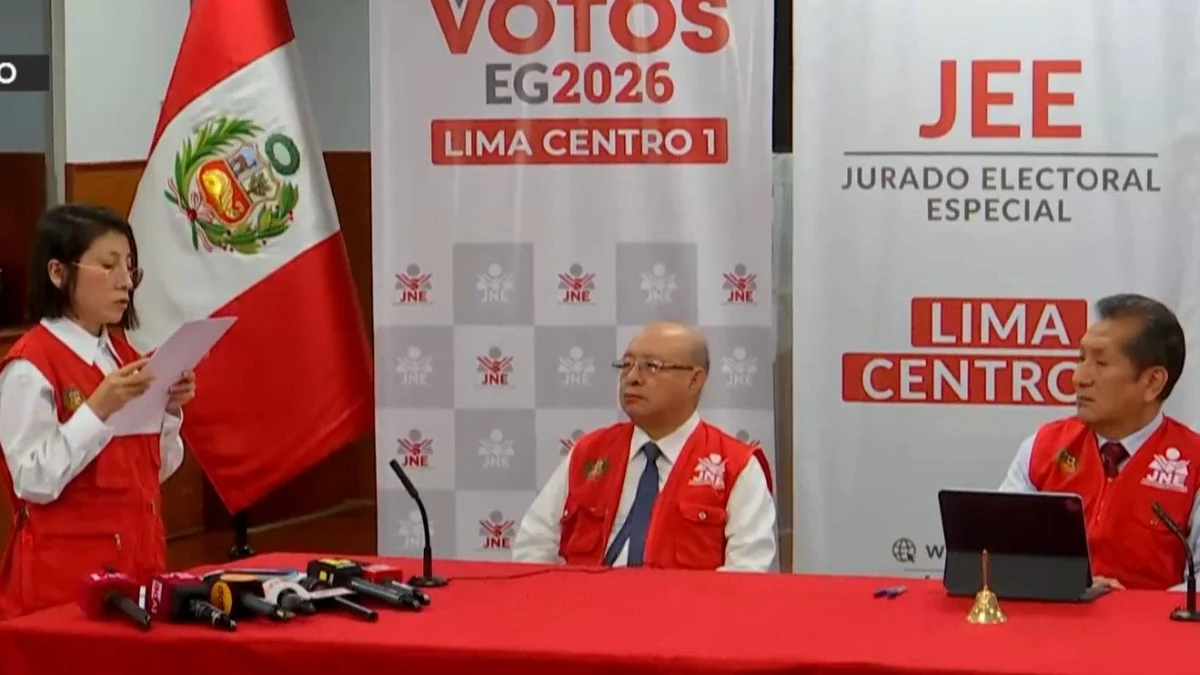
The electoral landscape in Peru has reached a pivotal juncture this week. The Jurado Electoral Especial (JEE) Lima Centro 1 officially commenced public hearings on Monday to proclaim the results of the presidential election held on April 12. This administrative milestone marks the transition from the processing of ballots to the formal validation of the electorate’s will, a crucial step in preparing the nation for the inevitable second round of the presidential contest.
The proceedings, conducted with transparency before representatives of the various political parties and members of the national press, underscore the rigorous bureaucratic framework governing the Peruvian electoral system. With the initial phase of the count complete, the focus now shifts toward the consolidation of these results across the country’s various electoral jurisdictions.
Main Facts: A Milestone in Electoral Integrity
The JEE Lima Centro 1 is currently presiding over the formal declaration of results for three key districts within the capital: Cercado de Lima, Jesús María, and Breña. The significance of this event lies in the completion of the processing phase, with 100% of the actas (official vote tally sheets) accounted for and verified.
The atmosphere at the hearing was one of procedural precision. Electoral authorities emphasized that the proclamation is not merely a formality but a legal requirement that solidifies the democratic process. By validating these results, the JEE ensures that the data recorded at the polling stations matches the final tally, thereby mitigating potential disputes and reinforcing public trust in the Office of the National Chief of Electoral Processes (ONPE).
As the hearing progressed, officials confirmed that the process was executed according to the constitutional timeline. With the records fully processed, the path is now clear for the consolidation of national figures, a development that political analysts have been anticipating since the close of polls on April 12.
Chronology of the Electoral Process
To understand the weight of this week’s proclamations, one must look back at the timeline that led to this current stage of the electoral calendar.
1. The Day of the Vote (April 12)
The electoral process began with the mobilization of millions of voters across the nation. Despite the logistical challenges inherent in a national election, the voting process proceeded with relatively high turnout, reflecting a deeply engaged citizenry.
2. The Processing Phase (April 13–19)
In the days immediately following the election, the ONPE began the monumental task of scanning and digitizing the actas. This period was characterized by intense scrutiny from party observers and international monitors. Each sheet was subjected to validation protocols to ensure that no errors in addition or transcription marred the outcome.
3. The Resolution of Observations (April 20–22)
As the data moved from the polling stations to the central processing centers, a small percentage of actas were marked as "observed" due to technical irregularities or illegibility. The JEE Lima Centro 1 handled these cases with a mandate of transparency, conducting public reviews to ensure that every single vote was counted in accordance with the law.
4. The Proclamation Phase (Current – April 24)
Starting this Monday, the JEEs across the country—beginning with Lima Centro 1—have begun the formal proclamation phase. This is the stage where the raw numbers become legal facts, providing the foundation for the eventual announcement of the two candidates who will face off in the upcoming runoff election.
Supporting Data: A Breakdown of the Numbers
The efficiency of the JEE Lima Centro 1 in processing the results for the central districts serves as a benchmark for other regional bodies. The data provided by the authorities highlights the sheer scale of the administrative effort.
District-by-District Statistical Overview
| District | Polling Stations Installed | Actas Received |
|---|---|---|
| Breña | 355 | 355 |
| Jesús María | 431 | 431 |
| Cercado de Lima | 1,030 | 1,030 |
| TOTAL | 1,816 | 1,816 |
The data indicates a 100% synchronization between the number of polling stations installed and the actas received, reflecting a high degree of organizational success. Furthermore, the handling of the 61 observed actas provides insight into the quality of the electoral process:
- Total Observed: 61
- Declared Null: 0
- Recounted: 5
The fact that no actas were declared null demonstrates that the vast majority of the polling officials performed their duties with accuracy. The five recounts were conducted as a precautionary measure to resolve minor clerical discrepancies, ensuring the integrity of the vote was never in doubt.
Official Responses and Procedural Scope
The head of the JEE Lima Centro 1, speaking during the public hearing, underscored that the procedure is strictly governed by the Electoral Law. "Our duty is to guarantee that the voice of the citizen, as captured on the ballot, is accurately reflected in the final tally," the official stated.
The presence of political party representatives provided a layer of oversight that is essential for the legitimacy of the proclamation. By allowing stakeholders to witness the verification process, the JEE aims to preemptively address any allegations of bias or manipulation.
Expansion to Other Jurisdictions
The momentum generated in Lima is expected to ripple across the nation. The JEE Lima Centro 2 is scheduled to mirror this procedure later this afternoon, with other bodies in Lima Sur and the northern region of La Libertad—specifically the Trujillo JEE—set to follow suit. This synchronized effort is designed to provide the public with a cohesive picture of the national results as quickly as possible.
Implications for the Second Round
The implications of these proclamations are profound, as the nation prepares for a second-round runoff.
1. Political Stability
The orderly and transparent proclamation of results is a vital component of Peru’s political stability. In a climate where electoral distrust has often surfaced in the past, the meticulous work of the JEEs serves as a bulwark against instability. By finalizing the count, the JEEs are effectively drawing a line under the first round, allowing the political discourse to shift toward the policy debates that will define the runoff.
2. Candidate Strategy
For the candidates who have secured spots in the second round, the official proclamation provides the necessary legal standing to pivot their campaigns. They can now transition from the defensive posture of protecting their votes to the offensive strategy of building broader coalitions. The clarity provided by the JEE allows these campaigns to target their resources toward the districts that remain in play.
3. Public Trust and Civic Duty
The transparency of the current process reinforces the value of the democratic institution. When citizens see that their vote is not just counted, but publicly verified and proclaimed, it fosters a sense of civic efficacy. The process in Lima Centro 1 demonstrates that even in a complex urban environment with thousands of mesas, the system is capable of functioning with integrity.
4. Future Challenges
While the proclamation phase is proceeding smoothly, the electoral authorities remain vigilant. The transition to the second round will bring its own set of challenges, including the management of campaign financing, the regulation of political advertising, and the ongoing monitoring of social media discourse. However, the success of the current proclamation phase provides a strong foundation upon which the rest of the electoral cycle will be built.
Conclusion
As the sun sets on the first round of the 2026 elections, the work of the Jurado Electoral Especial Lima Centro 1 stands as a testament to the resilience of Peru’s electoral institutions. Through the systematic processing of 1,816 actas across the districts of Cercado de Lima, Jesús María, and Breña, the authorities have delivered a clear, verifiable, and legitimate result.
The country now waits as the remaining JEEs continue the nationwide proclamation process. This is a moment of transition—a bridge between the uncertainty of the ballot box and the clarity of the final decision. As the focus shifts toward the second round, the foundation of democratic legitimacy has been firmly laid, ensuring that the next chapter of Peru’s political history will be written on a bedrock of institutional transparency and public participation.