By International Trade Desk
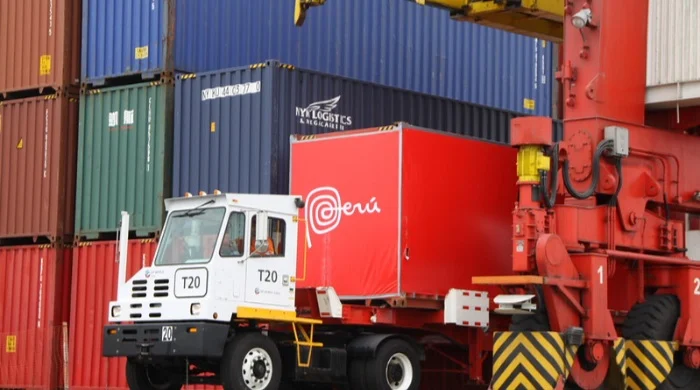
Peru’s economic engine is roaring in the early months of 2026. According to the latest data released by the Ministry of Foreign Trade and Tourism (MINCETUR), the nation has achieved a historic milestone in its trade balance, signaling a robust recovery and expansion of its international footprint. During the first quarter (Q1) of 2026, Peruvian exports of goods witnessed a spectacular growth of 33.5%, reaching an unprecedented total of US$ 27.217 billion. This performance not only underscores the country’s resilience in the face of global economic volatility but also highlights the effectiveness of its strategic trade policies.
The Pillars of Growth: Mineral Dominance and Diversification
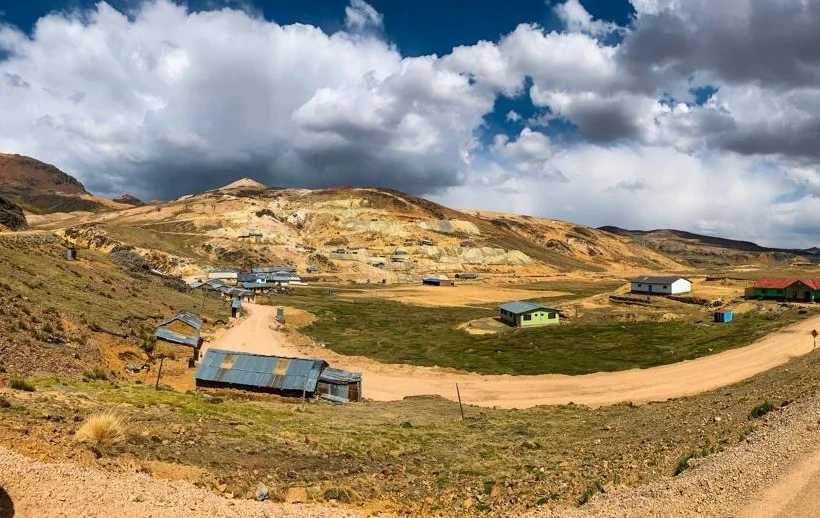
The primary driver behind this monumental surge is the mining sector, which remains the cornerstone of the Peruvian economy. Accounting for US$ 19.897 billion—a 49% increase compared to the same period in 2025—the mining industry has benefited immensely from a favorable global pricing environment for copper and gold.
However, the success story of Q1 2026 is not solely reliant on extractives. The diversification of the export portfolio has become increasingly apparent, with significant gains in the agro-export, fishery, and forestry sectors. The fishery sector recorded US$ 1.476 billion (+21.5%), while the agro-export sector contributed US$ 3.067 billion (+7.2%). Even the nascent forestry sector saw a commendable increase of 22.3%, bringing its total to US$ 17 million.
Detailed Sectoral Performance
1. Mining: The Engine Room
The mining sector’s growth was broad-based rather than concentrated in a single commodity. Lead exports led the charge with a staggering 204% increase, followed by silver concentrates (+89%), gold (+68%), zinc (+43%), and copper (+38%). These figures reflect both the high demand from industrialized nations and the operational efficiency of major mining projects across the Andes.
2. Agriculture: Feeding the World
Peru’s agricultural sector continues to cement its reputation as a global powerhouse for high-value crops. Ethanol exports surged by 100% (US$ 49 million), and coffee rebounded significantly with a 51% increase (US$ 149 million). The "superfoods" category—led by avocados, blueberries, and grapes—remains a pillar of the export economy, generating US$ 1.868 billion, an 18% increase. Other notable contributors included natural colorants (+13%), quinoa (+11%), and specialty peppers (+4%).
3. Fisheries: Blue Gold
The marine sector demonstrated exceptional agility, particularly in the export of squid (pota), which skyrocketed by 101.8% to reach US$ 273 million. Furthermore, the diversification into value-added products like canned and frozen fish (+26.2%) and flying fish roe (+32.4%) highlights a strategic shift toward processed goods that command higher market prices.
A Chronology of Economic Momentum
The current performance in 2026 is the culmination of long-term investments in trade infrastructure and diplomatic efforts.
- 2025 Retrospective: The year 2025 concluded with a historic high of 9,947 active export companies, setting the stage for the growth seen in early 2026.
- January 2026: Initial reports indicated a strong start, with early demand from Asian markets absorbing a significant portion of copper output.
- February 2026: The agro-export sector, traditionally sensitive to climate and seasonality, showed surprising resilience, with key fruit exports outperforming analysts’ expectations.
- March 2026: The closing month of the quarter solidified the 33.5% growth rate, bolstered by the surge in mining metal prices and increased export volume from regional hubs.
The Democratization of Trade: More SMEs on the Global Stage
One of the most encouraging trends noted by MINCETUR is the expansion of the exporter base. In the first quarter of 2026, the number of Peruvian companies engaging in international trade rose by 3.9%, reaching a total of 6,052 entities.
Crucially, 62% of these exporters are micro, small, and medium-sized enterprises (MSMEs). This indicates a successful transition toward a more inclusive trade model where the benefits of global integration are not limited to large-scale corporations. Programs aimed at digitalizing SMEs and facilitating access to international market certifications appear to be paying dividends, allowing smaller producers to tap into niche markets in Europe and North America.
Market Destinations: Beyond Traditional Partners
Peru’s trade network reached 152 distinct international markets in the first three months of the year. While China remains the largest trading partner, absorbing US$ 10.748 billion (+43%), the country has seen a strategic pivot in other regions.
- The India Phenomenon: Exports to India surged by a remarkable 300%, totaling US$ 2.928 billion. This is largely attributed to increased demand for minerals and the strengthening of bilateral trade ties.
- North American Strength: Trade with the United States grew by 24.1% (US$ 2.878 billion), while Canada saw a 45% increase (US$ 1.439 billion).
- The European Pivot: Despite economic headwinds in the Eurozone, Peru managed a 9.8% increase in exports to the European Union (US$ 2.238 billion), proving the stability of demand for high-quality Peruvian produce and metals.
Regional Expansion: The Heart of the Country Leads the Way
Perhaps the most significant aspect of the Q1 2026 report is the performance of the regions outside the capital. Regional exports grew by 36.4% collectively, reflecting a decentralization of the export economy.
Huánuco leads the charge with an incredible 677.4% growth rate, followed by Madre de Dios (+81%), Arequipa (+73.2%), and Áncash (+62.4%). This regional dispersion is vital for national stability, as it creates employment and tax revenue in areas that have historically been sidelined from the benefits of international trade.
Official Response and Policy Implications
The Minister of Foreign Trade and Tourism has lauded these results as a testament to the "Peruvian spirit of resilience and innovation." In a recent press briefing, ministry officials emphasized that this growth is not a stroke of luck, but the result of sustained efforts to reduce bureaucratic hurdles, improve port logistics, and negotiate favorable free trade agreements.
Strategic Implications for the Future
The implications of this Q1 performance are significant for the remainder of 2026:
- Macroeconomic Stability: The influx of foreign currency from these exports is likely to strengthen the Peruvian Sol and provide the Central Reserve Bank with more room to maneuver in its monetary policy.
- Investment Magnetism: The consistent performance of the mining and agro-export sectors will likely encourage further Foreign Direct Investment (FDI), particularly in green energy-related minerals and sustainable agriculture.
- Fiscal Sustainability: With higher export volumes, the government expects a healthier fiscal balance, potentially allowing for increased investment in infrastructure projects like irrigation for the coast and connectivity for the highlands.
Conclusion: Challenges and Opportunities
While the figures for Q1 2026 are cause for celebration, policymakers are acutely aware of the risks. Dependency on commodity prices remains a vulnerability, and the global geopolitical landscape remains unpredictable. To sustain this momentum, experts suggest that the next phase of Peru’s export strategy must focus on:
- Adding Value: Transitioning from exporting raw concentrates to semi-processed and finished products, particularly in the metallic sector.
- Climate Adaptation: Ensuring the agro-export sector remains resilient against weather phenomena, which have previously disrupted harvest cycles.
- Sustainable Logistics: Investing in greener port and transport infrastructure to meet the increasingly stringent "green" trade requirements of the European Union and other Western markets.
As Peru moves into the second quarter of 2026, the data suggests that the country is well-positioned to maintain its status as a vital participant in the global economy. By continuing to empower its MSMEs and diversifying its market destinations, Peru is not just trading goods—it is building a future of sustained, inclusive economic prosperity.