After years of navigating complex bureaucratic landscapes, budgetary hurdles, and intense political debate, the province of Rioblanco in the Tolima department, Colombia, has officially turned the page toward a new era of healthcare. The construction of the María Inmaculada Hospital is no longer a promise; it is a burgeoning reality. With an investment exceeding US$ 6 million (approximately $25.39 billion Colombian pesos), this facility represents the single most significant healthcare infrastructure project in the region’s recent history.
Main Facts: A Vision for Regional Health
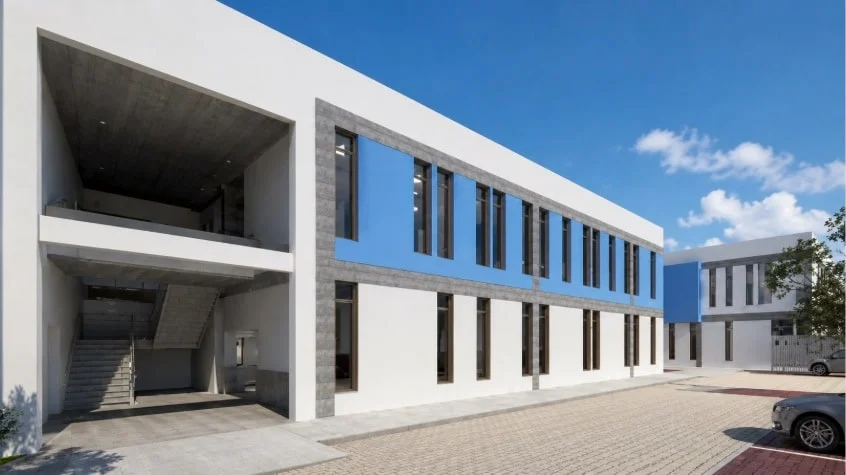
The project, which has now transitioned from the planning phase to active site development, is designed to overhaul the local medical landscape. By modernizing the existing hospital infrastructure, the regional government aims to provide the citizens of Rioblanco with specialized, accessible, and high-quality medical services that were previously unavailable in the municipality.
The project is financed through the OCAD Paz—a specialized mechanism for the approval of projects in areas historically impacted by armed conflict—highlighting the government’s commitment to social reconciliation through infrastructure. The total investment is set at approximately $25.395 billion pesos. This figure, while significant, reflects the rigorous updated studies and designs required to ensure the hospital meets contemporary international standards for medical facilities.
Chronology of a Challenging Journey
The path to the groundbreaking ceremony was far from straightforward. The project has been marked by significant obstacles, beginning with the initial conceptualization in 2019.
- 2019 – The Genesis: Governor Adriana Magali Matiz, working in conjunction with Representative Delcy Isaza, secured the initial funding commitments. At the time, the project was seen as a vital necessity for the region’s long-term development.
- The Budgetary Crisis: Following the initial approval, it became clear that the project’s estimated costs were severely outdated. Inflation, rising material costs, and the need for updated technical specifications meant the original budget was insufficient to deliver a facility capable of meeting the needs of a growing population.
- The "Zero" Reset: Faced with a shortfall, the administration made the difficult decision to halt the project and restart the planning process. This included conducting entirely new architectural and engineering studies, a move that tested the patience of local residents and the resolve of the authorities.
- The OCAD Paz Session: A pivotal moment occurred during a late-night session of the OCAD Paz. Governor Matiz, acting as a representative for the Colombian governors, played a crucial role in navigating the final approvals in the early hours of the morning (around 3:00 AM), ensuring the funding was locked in and the legal framework for the contract was airtight.
- Adjudication and Execution: Following the final procurement processes mandated by Colombian public contracting law, the contract was officially awarded. The start of construction marks the successful conclusion of the administrative phase and the beginning of the physical transformation of the hospital site.
Supporting Data and Technical Scope
The significance of this investment goes beyond the monetary value. The María Inmaculada Hospital is designed to serve as a hub for the province, effectively reducing the need for patients to travel long distances to Ibagué or other urban centers for specialized care.

The investment encompasses:
- Modern Infrastructure: State-of-the-art emergency rooms, diagnostic imaging centers, and expanded inpatient wards.
- Sustainability: Incorporation of energy-efficient systems to reduce operational costs for the hospital over the long term.
- Capacity Building: The project is expected to create hundreds of jobs during the construction phase and long-term employment for medical and administrative staff upon completion.
The financial oversight for this project is unique. Rather than centralizing the management, Governor Matiz has delegated the financial control directly to the hospital’s management team. This "direct-to-institution" funding model is intended to minimize administrative delays and ensure that the funds are utilized exclusively for the hospital’s development.
Official Responses: A Commitment to Transparency
During her visit to the site, Governor Adriana Magali Matiz addressed the local community with a tone of defiance toward political detractors and a call for vigilance. She directly confronted those who had used the delay of the hospital as a political weapon during previous election cycles.
"Those who came here during the campaign to claim that this hospital would never be built have been proven wrong," Matiz stated. "We don’t just talk; we deliver results. We have moved from promises to a signed contract and a construction site that is officially active."
The Governor’s message to the hospital management was equally stern. She emphasized that the responsibility for the project’s success now lies with the local leadership. By placing the funds directly in the hands of the institution, she has effectively empowered local stakeholders to act as the primary auditors of the construction process.

"I have instructed the hospital administration that they are the frontline of oversight," Matiz added. "We will be monitoring the progress closely, but the responsibility to ensure this money translates into bricks, mortar, and medical equipment rests with you."
The Implications for Rioblanco and the Tolima Department
The construction of the María Inmaculada Hospital carries profound implications for the social fabric of Rioblanco.
Healthcare Accessibility
For many years, residents of Rioblanco have suffered from limited access to specialized health services. The new hospital is expected to serve as a primary stabilizer for the province’s health system, providing essential care closer to home. This will not only improve health outcomes but also alleviate the economic burden on families who previously had to factor travel and accommodation costs into their medical care.
A Model for Public Governance
The history of this project provides a case study in effective public administration. By choosing to restart a project that was underfunded rather than building a substandard facility, the administration demonstrated a commitment to long-term quality over short-term political convenience. The success of the OCAD Paz project also reinforces the importance of inter-governmental coordination in bringing large-scale infrastructure to remote regions.
Political Accountability
The successful initiation of this project has significantly bolstered the credibility of the current administration. In an environment where infrastructure projects are frequently stalled by corruption or lack of technical foresight, the María Inmaculada Hospital serves as a benchmark for how transparency, combined with rigorous planning, can overcome skepticism.

Looking Forward: The Path to Completion
As construction crews begin the excavation and structural phases, the focus will now shift to project management. The Governor’s office has promised a policy of "permanent surveillance." This involves a multi-layered oversight approach where local leaders, regional inspectors, and independent technical auditors will monitor the project’s milestones.
The community of Rioblanco is expected to benefit from this project for decades to come. Beyond the immediate health benefits, the hospital stands as a symbol of the region’s resilience and its ability to secure its fair share of national resources. As the structure rises, it will serve as a constant reminder that with persistent governance and sound financial management, even the most daunting infrastructure challenges can be overcome.
The province of Rioblanco is currently witnessing the transformation of a vision into a legacy. For the citizens, the María Inmaculada Hospital is more than just a building; it is a promise of health, safety, and a brighter future for the generations to come.