Main Facts: The Current State of the Exchange Rate
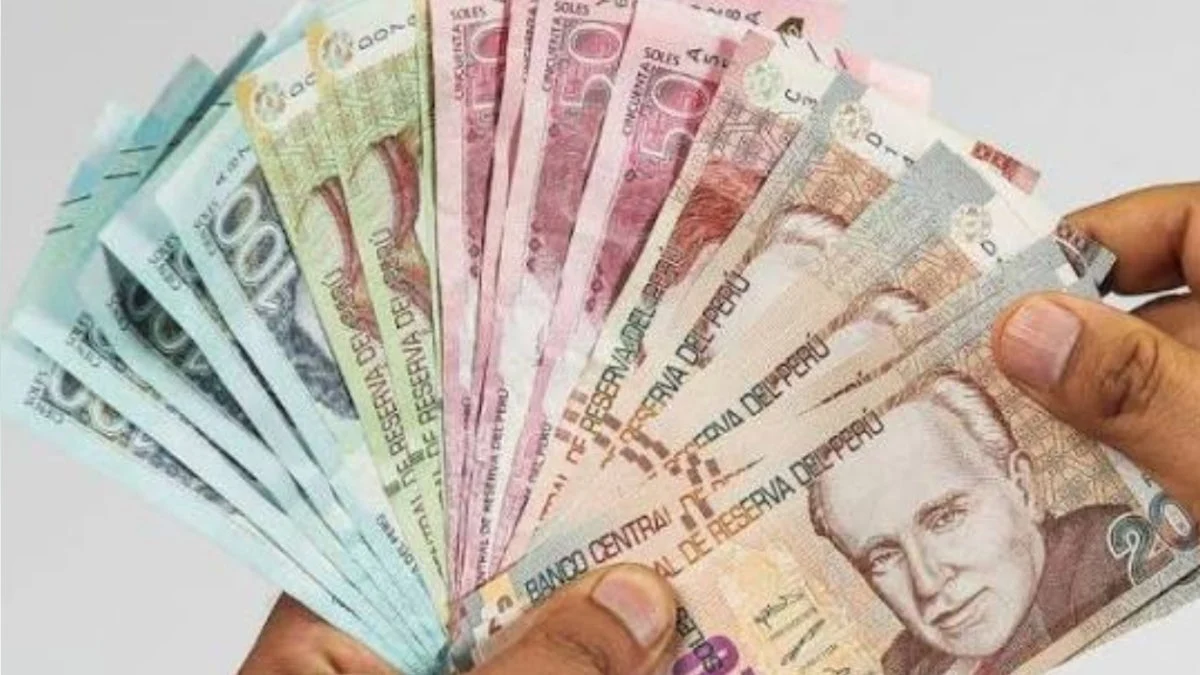
As of Tuesday, October 27, the exchange rate in Peru has been officially set at S/3.44 per US dollar, according to data provided by the Central Reserve Bank of Peru (BCRP). This figure serves as the benchmark for financial institutions, businesses, and consumers across the nation. In the complex world of international finance, the Peruvian sol remains a critical indicator of national economic health, reflecting the intersection of local fiscal policy and global market trends.
For citizens and business owners alike, the daily fluctuations of the dollar are not merely abstract numbers on a screen; they dictate the cost of imported goods, the price of travel, and the stability of personal savings. While S/3.44 represents the official reference point, the reality of the market often involves a spread—the difference between the buying and selling rates offered by banks and informal exchange houses.
Chronology: The Evolution of the Sol vs. Dollar
The history of the Peruvian exchange rate is a narrative of resilience and adjustment. Over the past several decades, Peru has transitioned from periods of hyperinflation and extreme volatility to a regime of managed floating.
The Stabilization Era
Following the economic reforms of the 1990s, the BCRP established a more autonomous approach to monetary policy. This shift was designed to prioritize low inflation and maintain a competitive exchange rate. During the early 2000s, the sol experienced periods of significant appreciation, driven largely by the global commodity boom, which bolstered Peru’s export revenues and attracted substantial foreign direct investment.
The Impact of Recent Global Shocks
In the years leading up to the current date of October 27, the Peruvian economy faced a series of unprecedented challenges. The global pandemic triggered a flight to safety, with investors flocking to the US dollar as a "safe haven" asset. This naturally put downward pressure on the sol. However, the BCRP’s intervention strategies—utilizing its significant international reserves—helped prevent the currency from entering a state of freefall, maintaining the stability that characterizes the current S/3.44 rate.
The Mechanics of Fluctuation: Why the Dollar Moves
To understand why the dollar rises or falls, one must look at the fundamental law of supply and demand. The currency market is perhaps the most liquid market in the world, and the sol is subject to the same pressures as any other global currency.
Supply and Demand Dynamics
When market participants—including multinational corporations, institutional investors, and retail traders—seek to acquire dollars, the demand increases. If the supply of dollars available in the local market remains constant, the price (the exchange rate) must rise. Conversely, when the supply of dollars exceeds demand, the value of the sol strengthens, causing the dollar to depreciate.
Internal and External Drivers
The movement of the exchange rate is rarely driven by a single factor. Instead, it is the result of a convergence of influences:
- Interest Rate Differentials: The Federal Reserve’s monetary policy in the United States significantly impacts the dollar’s global strength. If the Fed raises interest rates, capital often flows into the US to capture higher yields, strengthening the dollar globally.
- Inflationary Pressures: If inflation in Peru outpaces that of the United States, the purchasing power of the sol diminishes, leading to a depreciation against the dollar.
- Political Stability: Foreign investors prioritize predictability. When domestic political tensions rise, investors may pull capital out of the country, leading to an immediate spike in the exchange rate.
- Commodity Prices: As a major exporter of copper and gold, Peru’s economy is deeply tied to international commodity prices. High prices generally lead to an influx of dollars, which supports the sol.
Official Responses: The Role of the Central Reserve Bank (BCRP)
The BCRP plays a pivotal role in maintaining economic equilibrium. Unlike fixed exchange rate regimes, where the government sets a price, Peru utilizes a "managed float." This means the market determines the price, but the BCRP intervenes when volatility becomes excessive.
Intervention Strategies
When the BCRP detects that speculation is driving the dollar up too rapidly—threatening inflation or economic stability—it may sell dollars from its reserves. By increasing the supply of dollars in the market, the bank effectively stabilizes the rate. These interventions are strategic and aimed at curbing volatility rather than setting a specific target price.
Monetary Policy Transparency
The BCRP communicates its goals through regular reports, providing transparency that helps market participants form expectations. This institutional credibility is a cornerstone of the Peruvian economy, providing a buffer against the panic-selling that often plagues developing economies during times of uncertainty.
Implications for the Economy
The current exchange rate has far-reaching consequences for different sectors of the Peruvian population.
For Importers and Businesses
For businesses that rely on imported raw materials or machinery, a rising dollar represents an increase in operating costs. These costs are often passed down to the consumer, leading to higher prices for electronics, fuel, and imported foodstuffs. Companies must therefore implement "hedging" strategies—financial instruments that allow them to lock in exchange rates for future transactions to mitigate risk.
For Personal Finance and Savings
For the average Peruvian citizen, the exchange rate serves as a benchmark for financial planning. Those who have debts in dollars but income in soles face "currency mismatch" risk. If the dollar rises significantly, the cost of servicing that debt increases, potentially straining household budgets. Financial advisors generally recommend that individuals keep their debts in the same currency as their income to avoid this volatility.
The Macroeconomic Perspective
On a macro level, the exchange rate acts as a shock absorber. A weaker sol can make Peruvian exports more competitive in the international market, helping to balance the trade account. However, if the depreciation is too steep, it risks fueling inflation, which disproportionately affects the most vulnerable segments of society.
Looking Forward: Navigating Future Uncertainty
As we navigate the fiscal landscape of the late 2020s, the importance of financial literacy regarding the exchange rate cannot be overstated. Understanding that currency fluctuations are a natural part of a globalized economy allows individuals and businesses to make informed decisions rather than reactive ones.
Strategic Planning for the Future
Anticipating economic scenarios involves monitoring global trends, such as the economic growth of China (a key partner for Peru) and the fiscal policies of the United States. Furthermore, maintaining a diversified portfolio—holding a mix of both soles and dollars—can serve as a hedge against sudden economic shifts.
Conclusion
The rate of S/3.44 per dollar on this Tuesday, October 27, is a reflection of the current equilibrium between domestic realities and international market pressures. While the figures may change, the underlying principles of supply, demand, and central bank intervention remain constant. By staying informed and understanding the broader context of these financial movements, stakeholders in the Peruvian economy can better position themselves to navigate the challenges and opportunities of the global financial market.
Ultimately, the stability of the sol is not just a job for the BCRP; it is the result of the collective confidence of the Peruvian people in their economic future. As the country moves forward, the ability to interpret these signals will remain an essential skill for anyone looking to secure their financial well-being in an interconnected world.