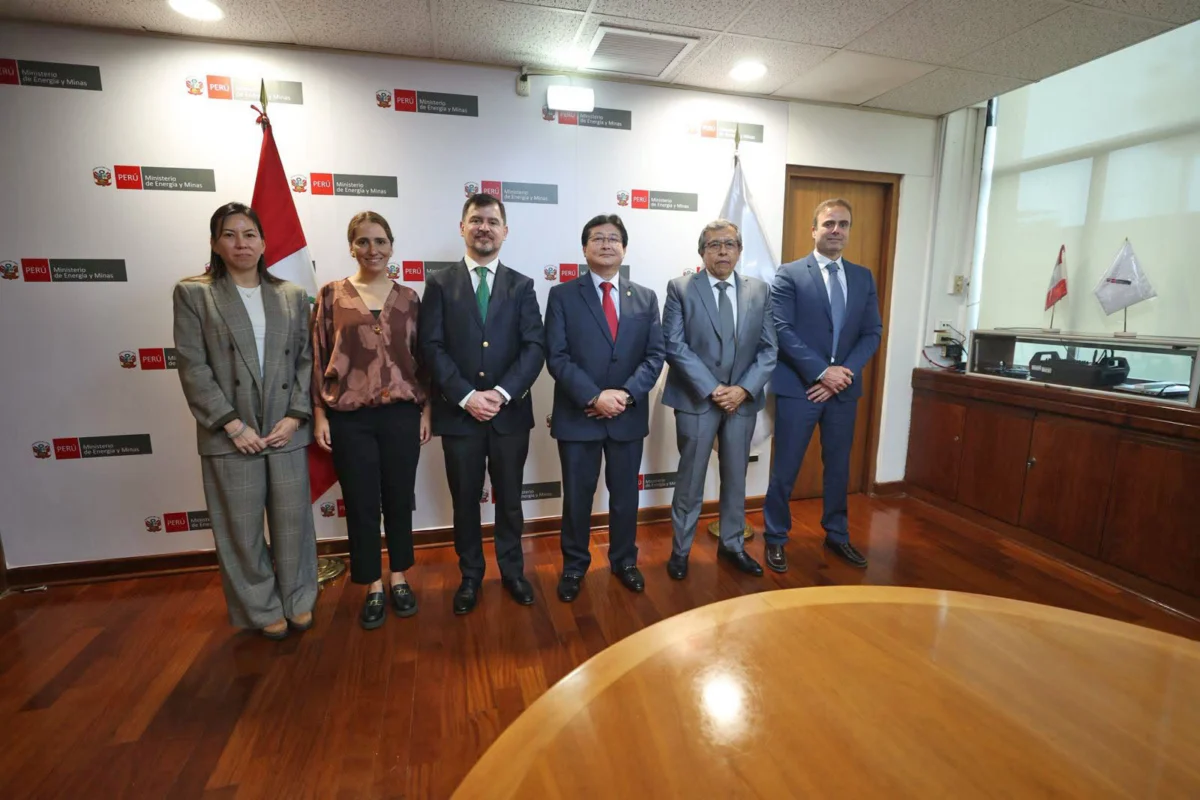
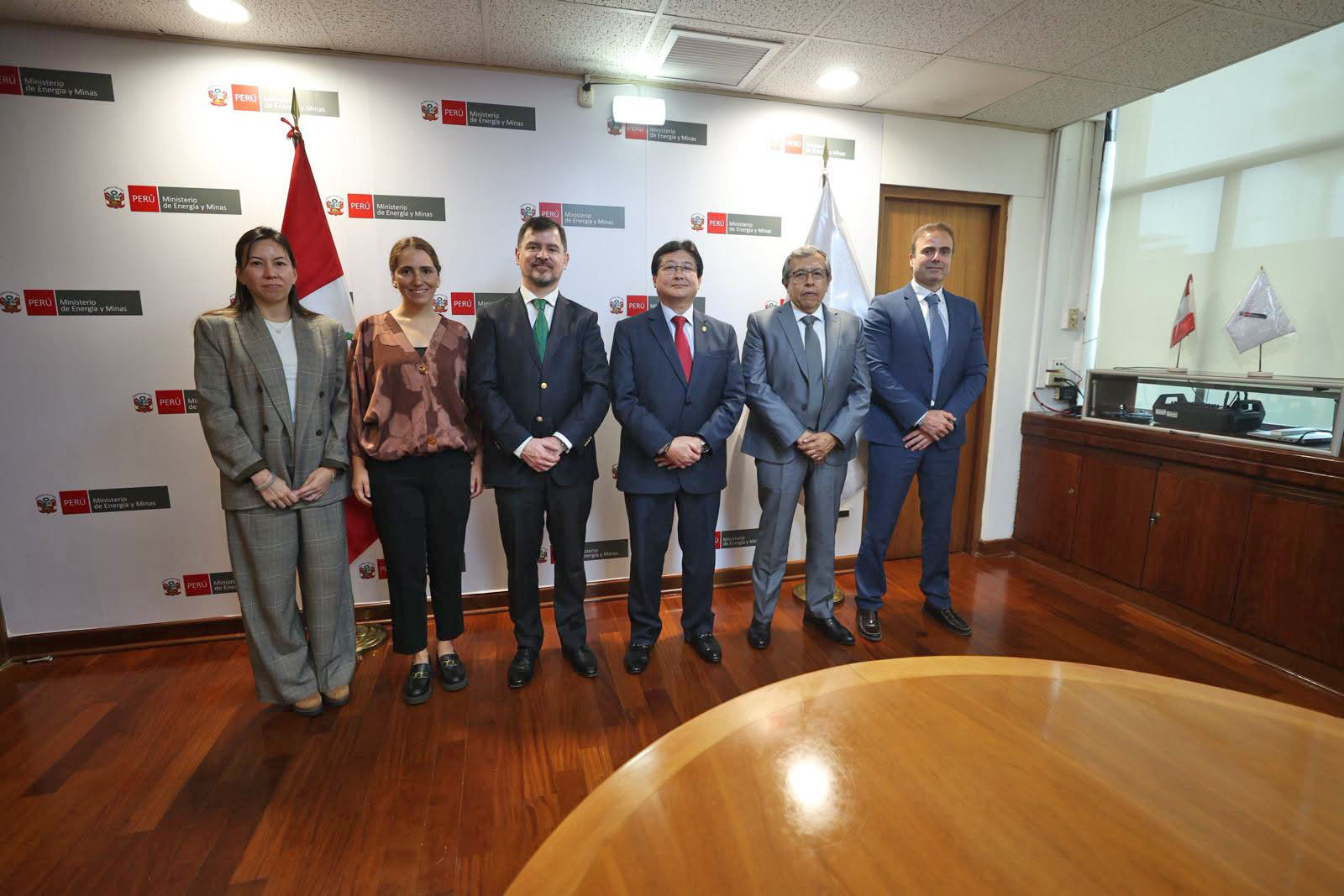
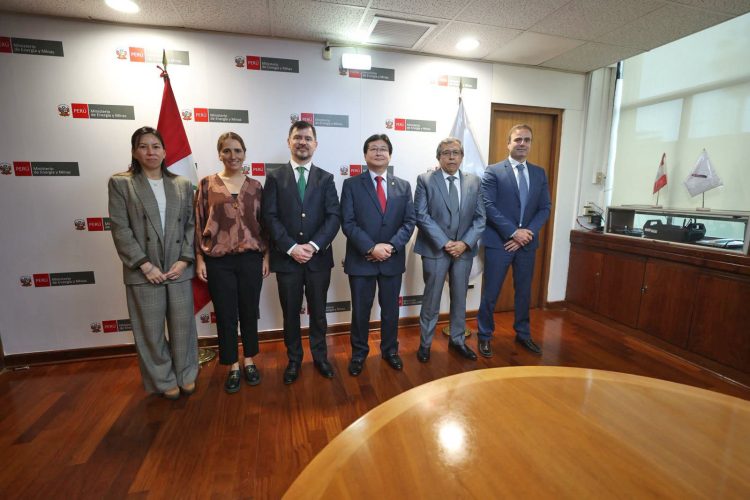
In a strategic shift that marks a new chapter for the Norwegian energy giant Statkraft, the company’s Peruvian subsidiary is aggressively expanding its portfolio beyond its traditional stronghold of hydroelectric power. Recent discussions between the Minister of Energy and Mines, Guillermo Shinno, and Statkraft Peru’s Country Manager, Enzo Rodrigo Contreras, have underscored a significant commitment to solar and wind energy development. At the heart of this transition are two flagship projects—the Lupi solar photovoltaic plant and the Emma wind farm—which together represent a 252 MW injection into the Peruvian national grid.
This move signals a broader transition within the Peruvian energy landscape, as the nation seeks to diversify its energy matrix, optimize its natural resources, and meet the growing demand for sustainable, reliable power.
The Strategic Shift: From Hydro to Multi-Technology
Statkraft, historically synonymous with hydroelectric generation in Peru, currently manages seven hydroelectric plants with a combined capacity of 432 MW. However, the decision to venture into solar and wind power is not merely a diversification strategy; it is a response to the evolving global and local market conditions that favor the speed and modularity of non-conventional renewable energy (NCRE).
During the high-level meeting, Minister Guillermo Shinno reaffirmed the Ministry of Energy and Mines’ (MINEM) commitment to facilitating these private sector investments. The government has prioritized the "unblocking" of bureaucratic hurdles and the simplification of permit acquisition, aiming to accelerate the deployment of critical infrastructure that promises to fortify the nation’s energy security.
Project Spotlight: Lupi and the High-Altitude Solar Frontier
Perhaps the most ambitious component of Statkraft’s current strategy is the Lupi solar project. Located in the district of Carumas, in the Moquegua region, Lupi stands as a testament to engineering innovation. Situated at an altitude exceeding 4,500 meters above sea level, it is poised to become one of the highest-elevation solar photovoltaic installations in the world.
The Paradox of High-Altitude Solar
While high-altitude environments present significant logistical and physical challenges—such as low atmospheric pressure and extreme temperature fluctuations—they offer a unique scientific advantage for solar generation. The thinner atmosphere at 4,500 meters allows for higher levels of solar radiation, and the consistently cold temperatures serve to increase the efficiency of photovoltaic cells, which generally perform better in cooler conditions than in the intense heat of desert floors.
Enzo Rodrigo Contreras shared a revealing anecdote from the project’s inception: when photographs of the site blanketed in snow were sent to Statkraft’s headquarters in Norway, the reaction was one of skepticism. "Does this work?" the international team asked. The answer, as it turns out, is a resounding yes. The cold, crisp air and intense sunlight create a "paradoxical" efficiency that maximizes the energy output of the panels.
Technical Specifications and Construction
- Capacity: The plant features an installed capacity of 180 MW, with a nominal output often cited as 181 MW due to the technical configuration and over-dimensioning of the direct current (DC) panels.
- Annual Yield: Estimated annual generation is approximately 581 GWh.
- Contractor: The Engineering, Procurement, and Construction (EPC) contract has been awarded to the Grupo Elecnor, a firm tasked with navigating the unique challenges of high-mountain logistics.
- Timeline: Construction commenced in the second quarter of 2026, with commercial operation slated for late 2027.
Emma: Expanding into Wind Energy
While Lupi commands attention for its elevation, the Emma wind project marks Statkraft’s formal entry into the wind energy sector in Peru. Located in the northern region of Piura, this 72 MW project is designed to tap into the country’s significant coastal wind potential.
Partnership with Vestas
In a move that signals technical confidence, Statkraft selected the Danish wind energy leader, Vestas, to supply and install the technology. The project will feature 16 units of the V163-4.5 MW wind turbines, which possess a hub height of 119 meters.
For Vestas, this contract is a strategic reentry into the Peruvian market, leveraging their established experience with the 4 MW platform. The company already maintains 62 aerogenerators in the region, totaling 100 MW of capacity. The coordination for Emma is precise: components are scheduled to arrive in the second quarter of 2027, with the commissioning of the turbines targeted for the first quarter of 2028.
Chronology of Development
The following timeline tracks the progression of Statkraft’s investment trajectory in the transition toward a diversified energy portfolio:
- Pre-2026: Statkraft establishes a solid foundation with 432 MW of hydroelectric capacity across seven plants.
- June 2026: Official announcement of the company’s intent to enter the wind energy market with the Emma project in Piura.
- Second Quarter 2026: Groundbreaking and commencement of construction for the Lupi solar facility in Moquegua.
- August 2026: Vestas is formally selected as the turbine supplier for the Emma wind farm.
- Late 2027 (Projected): Expected commercial operation of the Lupi solar plant.
- First Quarter 2028 (Projected): Expected commissioning of the Emma wind turbines.
- Mid-2028 (Projected): Full operational integration of both projects into the National Interconnected Electric System (SEIN).
Official Responses and Ministerial Vision
Minister Guillermo Shinno’s dialogue with Statkraft is reflective of a larger trend within the Ministry of Energy and Mines. By emphasizing the reduction of red tape, the Minister is signaling to international investors that Peru is open to sustainable development.
"The government is focused on unblocking processes and simplifying permits," stated Minister Shinno. "Our objective is to streamline the construction of projects that will not only benefit the national energy balance but will also serve as catalysts for regional economic development."
From the perspective of Statkraft, the relationship with the government is crucial for risk mitigation. The transition to non-conventional renewables requires not just technical expertise, but also a stable regulatory environment that allows for long-term capital recovery on significant infrastructure projects.
Implications for the Peruvian Energy Market
The integration of 252 MW of wind and solar power into the Peruvian grid has several far-reaching implications:
1. Diversification of the Matrix
Peru’s electricity sector has historically relied heavily on hydroelectric power and, to a lesser extent, natural gas. The addition of utility-scale wind and solar reduces the country’s vulnerability to hydrological cycles (droughts) and price volatility in fossil fuels.
2. Regional Economic Development
Projects like Lupi in Moquegua and Emma in Piura bring significant economic activity to remote areas. Beyond the construction phase, these projects require long-term operations and maintenance (O&M) staff, fostering local skills development and creating high-quality technical jobs.
3. Setting a Global Precedent
The success of the Lupi project—operating effectively at 4,500 meters—provides a valuable case study for the global renewable energy industry. It challenges the conventional wisdom regarding high-altitude solar deployment and opens the door for similar developments in the high-altitude Andean regions of South America, which possess some of the highest solar irradiation levels on the planet.
4. Climate Commitments
As Peru continues to refine its Nationally Determined Contributions (NDCs) under the Paris Agreement, the expansion of NCRE is non-negotiable. Statkraft’s pivot contributes directly to the decarbonization of the Peruvian economy, positioning the nation as a leader in the Latin American energy transition.
Conclusion: A Future Powered by Innovation
The collaboration between Statkraft Peru and the Ministry of Energy and Mines represents a confluence of ambition and pragmatism. By embracing the challenges of geography—such as the high-altitude conditions of Carumas—and the technical complexities of wind integration in Piura, Statkraft is demonstrating that the future of energy in Peru is not only renewable but also highly adaptive.
As Lupi and Emma progress toward their respective commissioning dates in 2027 and 2028, the industry will be watching closely. These projects serve as more than just power plants; they are pillars of a modernized energy infrastructure that will support Peru’s development for decades to come. With a clear regulatory path and a commitment to engineering excellence, Statkraft is proving that the transition to a sustainable future is not only possible—it is already underway.