CUSCO, PERU – In a significant boost to regional development and public safety, the Provincial Municipality of Espinar has officially unveiled a comprehensive urban infrastructure project along the banks of the Cañipía River. The project, which represents an investment exceeding S/ 5 million, addresses a multifaceted need for flood protection, modern transit connectivity, and essential public services for one of the province’s most vulnerable areas.
The intervention spans several critical sectors, including Bolognesi, La Victoria, Muni 2, and César Vallejo. By integrating engineering prowess with urban planning, the municipal government has transformed a previously hazardous riverfront into a resilient and accessible public space, directly improving the living conditions of more than 450 local families.
Main Facts: The Scope of the Intervention
The project, executed over a period of 221 calendar days, serves as a model for how provincial governments in Peru can effectively integrate flood mitigation with urban development. The scope of work was comprehensive, moving beyond simple road paving to encompass structural river protection and the extension of basic utility networks.
Engineering and River Defense
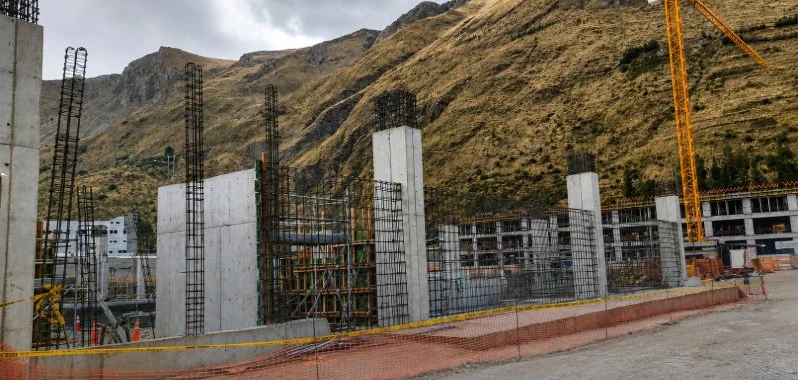
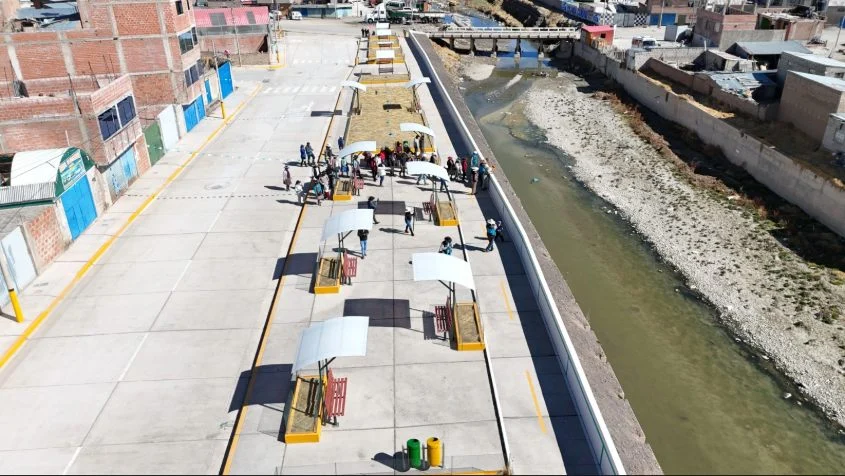
The cornerstone of the project is the installation of 554 linear meters of reinforced concrete retaining walls. Standing 6.5 meters high, these structures are specifically engineered to combat the natural erosion caused by the Cañipía River and mitigate the risk of flooding, which has historically threatened the homes of residents during the intense Andean rainy seasons.
Sanitation and Public Health
A vital, yet often overlooked, component of the project is the extension of the municipal water and sewage grid. Prior to this intervention, 70 households in the target area lacked access to basic sanitation. The new network provides these families with safe, potable water and modern sewage disposal, a significant step forward in improving the community’s public health outcomes.

Urban Connectivity and Public Spaces
The project also prioritized the modernization of transit infrastructure. The municipal team completed:
- 5,882 square meters of asphalt paving for improved vehicular flow.
- 4,310 square meters of new pedestrian sidewalks, ensuring safe mobility for schoolchildren and the elderly.
- 2,536 square meters of curb stones, which serve to delineate traffic and protect pedestrian zones.
To enhance the aesthetic and social value of the area, the municipality included a new promenade (alameda) featuring 3,343 square meters of green space, complemented by modern urban furniture such as benches and waste management containers.
Chronology: From Planning to Delivery
The success of this infrastructure initiative is the result of a disciplined, phase-based execution strategy.
- Phase 1: Diagnostic and Planning (Pre-Project): The municipal technical office identified the Cañipía riverfront as a "high-risk, low-connectivity" zone. Public hearings with the leaders of the Bolognesi and La Victoria sectors were conducted to align the engineering plans with the immediate needs of the residents.
- Phase 2: Procurement and Mobilization: Following the approval of the S/ 5 million budget, the project moved into the procurement phase, ensuring that all materials met regional engineering standards for seismic and fluvial resistance.
- Phase 3: Structural Construction (Days 1–120): This phase focused on the heavy engineering aspect. The construction of the retaining walls was the primary priority to ensure that the ground was stable before paving could begin.
- Phase 4: Utility Integration (Days 121–160): As the walls neared completion, the sanitation grid was integrated, ensuring that the new roads would not need to be excavated again in the near future.
- Phase 5: Finishing and Beautification (Days 161–221): The final two months saw the laying of asphalt, the pouring of sidewalks, and the landscaping of the new promenade.
- Inauguration: Following a rigorous quality inspection, the project was officially handed over to the community in September 2026.
Supporting Data: Why This Project Matters
The decision to invest S/ 5 million in these specific neighborhoods was backed by demographic and safety data that highlighted a growing divide in urban accessibility.
Economic and Social Impact
The 450 families directly impacted by this project were previously isolated during the rainy season, when mud and rising river levels made it difficult for local transport and emergency services to reach them. By stabilizing the riverbank and creating reliable road access, the project has effectively integrated these four sectors into the broader provincial economy.

Technical Specifications
The use of 6.5-meter-high retaining walls is not merely for aesthetics; it reflects a long-term commitment to climate resilience. Given the shifting precipitation patterns in the Cusco region, the municipality prioritized high-durability materials to ensure a service life of at least 25 to 30 years before major maintenance is required.
Official Responses: A Commitment to Dignity
During the inauguration ceremony, the Provincial Mayor of Espinar, Cludy Laguna Ccapa, addressed the community with a clear message about the role of local government.
"This work is more than just concrete and asphalt," Mayor Laguna Ccapa stated. "It represents the fundamental right of our citizens to live without the constant fear of natural disasters. We heard the voices of families who were tired of living in the mud and being cut off from the rest of the city. Today, we are providing them with the dignity they deserve, with secure pathways, clean water, and a space where they can walk safely."
The community response has been equally positive. Representatives from the local neighborhood associations expressed their relief at the project’s completion. One community leader noted, "For years, we felt abandoned. Now, not only can we walk safely on sidewalks, but our children can play in the new green areas, and the risk to our homes has been significantly reduced. This investment has fundamentally changed the value and safety of our properties."
Implications: The Future of Urban Planning in Cusco
The completion of the Cañipía River project carries broader implications for the development of the Cusco region. It highlights a shift in municipal priorities toward "integrated infrastructure"—a strategy where structural safety (retaining walls), public health (sanitation), and social well-being (promenades) are treated as a single, indivisible project.

Lessons for Future Regional Projects
- Synergy between sectors: By coordinating water/sewage works with road paving, the municipality saved significant time and prevented the "dig-and-rebuild" cycle that plagues many public works in Peru.
- Climate-Resilient Design: As the Peruvian government looks toward long-term planning (as seen in the ongoing work by the ATU for transport systems), the Espinar model demonstrates that even small-scale provincial projects must be built with climate change adaptation in mind.
- Public-Community Collaboration: The project underscores the importance of the initial diagnostic phase, where local leaders identified specific gaps in basic services that were previously ignored by larger, more disconnected development plans.
As Espinar continues to grow, this project serves as a foundational piece of infrastructure that will allow for future commercial expansion and improved living standards. By stabilizing the riverbank, the municipality has not only protected existing homes but has also opened up new possibilities for the development of the land along the Cañipía, proving that strategic, well-funded investment is the most effective tool for regional transformation.
As the province looks toward the future, the success of this initiative will likely serve as a benchmark for upcoming public work bids, ensuring that future projects prioritize durability, sanitation, and the integration of green spaces to build more sustainable and equitable communities across the region.