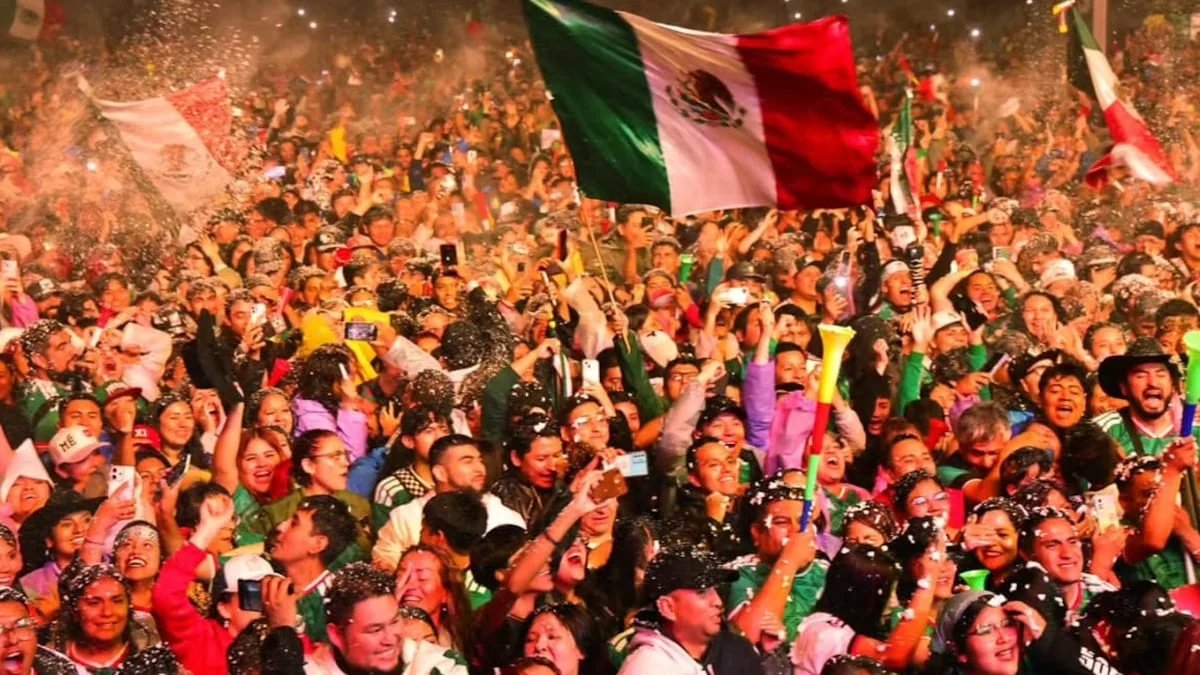
CIUDAD DE MÉXICO — The 2026 FIFA World Cup was heralded as a transformative catalyst for the Mexican economy, a massive sporting spectacle promised to revitalize tourism, accelerate infrastructure development, and inject billions of dollars into the national GDP. However, as the dust settles following the conclusion of the tournament, a comprehensive post-mortem report from the global consulting firm Deloitte reveals a sobering reality: the actual economic impact significantly underperformed against the initial, highly optimistic projections.
While the tournament undeniably generated wealth, the gaps between expectation and reality highlight the volatility of mega-event economics. With a total economic impact estimated at US$2.543 billion—representing approximately 0.12% of Mexico’s GDP—the figures have left analysts and government officials questioning the accuracy of pre-tournament forecasting models.
Main Facts: A Billion-Dollar Shortfall
The primary takeaway from the Deloitte analysis is that Mexico’s World Cup experience was a "growth, but not a boom" scenario. The US$2.543 billion impact, while substantial, fell 7% short of the firm’s own February estimates.
This shortfall was not uniform. The most significant misses were recorded in tourism influx and job creation, two pillars the Mexican government had emphasized as primary benefits of hosting 14 of the tournament’s 105 matches. The government had set ambitious goals, including the arrival of 5.5 million visitors and a direct economic injection of up to US$3 billion. In the end, the reality of the hospitality, travel, and retail sectors painted a more modest picture.
The geographical distribution of the economic impact was concentrated in the three primary host states:
- Mexico City: The capital served as the focal point, capturing US$548 million in consumption.
- Jalisco: Benefiting from its robust tourism and sports infrastructure, Jalisco accounted for US$290 million.
- Nuevo León: Monterrey’s industrial and commercial hub contributed US$270 million.
- Rest of the Country: The remaining US$640 million was dispersed through national consumption related to the tournament’s cultural footprint.
Chronology: From Euphoria to Adjustment
To understand the current economic landscape, one must look back at the timeline of the 2026 World Cup lifecycle in Mexico.
The Planning Phase (2023–2025)
During the lead-up, the rhetoric was dominated by "record-breaking" potential. Government agencies, in partnership with private consultants, projected that the joint hosting duties with the United States and Canada would propel Mexico into a new era of global sports tourism. Infrastructure investments—ranging from stadium renovations to urban transport upgrades—were greenlit under the assumption that a massive influx of international travelers would offset the costs within weeks of the tournament’s start.
The Tournament Window (Summer 2026)
As the matches commenced, initial data suggested high levels of domestic spending. The gastronomic, retail, and entertainment sectors saw a significant spike in activity. However, the anticipated "tsunami" of foreign visitors failed to materialize with the intensity that early models had predicted.
The Post-Mortem (Late 2026)
By the time the final whistle blew, the discrepancy between the forecast and the ledger became undeniable. The late-stage revision by Deloitte, which downgraded job creation and tourism figures, served as the final assessment of an event that, while successful in execution, was financially underwhelming.
Supporting Data: The Metrics of Underperformance
The Deloitte report provides a granular breakdown of where the projections missed the mark. The most alarming figures pertain to the human element of the economy: tourism and employment.
Tourism: The Missing Millions
The forecast for international arrivals was the most drastically overestimated variable. Deloitte reported that only 198,000 foreign tourists visited Mexico specifically for the World Cup—a staggering 29% below the initial forecast. When factoring in domestic travelers, the total figure reached 494,000, which is 40% lower than the anticipated volume.
The reasons for this are multifaceted. Analysts point to high travel costs, the competitive nature of the other host countries, and the geographical spread of the tournament, which may have dissuaded fans from undertaking the logistical challenges of traveling between host cities.
Employment: A Muted Job Boom
Job creation was meant to be the social legacy of the 2026 World Cup. The government and private sector had touted the creation of hundreds of thousands of temporary roles. However, the final count of 101,255 temporary jobs created during the event fell 10% short of projections. These roles were primarily concentrated in:
- Hospitality and Gastronomy: Waitstaff, hotel services, and catering.
- Transportation: Ride-sharing and logistics management.
- Retail and Entertainment: Merchandising, event security, and venue support.
While these roles provided temporary relief for the labor market, they lacked the long-term, high-value permanence that had been promised during the bidding phase.
Official Responses and Strategic Miscalculations
The Mexican government’s stance prior to the tournament was characterized by an almost singular focus on the "US$3 billion" target. Since the release of the report, the tone has shifted toward emphasizing the "brand value" of Mexico rather than the raw economic data.
Officials argue that the qualitative benefits—global television exposure, the modernization of stadium facilities, and the strengthening of Mexico’s image as a safe and capable host for international events—are harder to quantify than immediate revenue. However, critics, including some economic analysts, have noted that the "multiplier effect" of the infrastructure spending was hampered by inflation and the high cost of imported materials, which may have squeezed profit margins for local vendors.
Implications: A Lesson in Economic Forecasting
The 2026 World Cup experience in Mexico serves as a cautionary tale for developing nations bidding for major sporting events.
The "Mega-Event" Trap
The primary implication is that "mega-events" often rely on models that assume a level of consumer behavior that is highly sensitive to external variables, such as global inflation, visa requirements, and the logistical complexity of multi-country hosting. Mexico’s experience suggests that when a country hosts alongside a superpower like the United States, there is a risk that the "economic leakage"—where visitors spend the bulk of their time and money in the larger economy—is significantly higher than anticipated.
Rethinking Future Bids
Mexico must now reassess how it approaches future bids. The focus is shifting toward "sustainable impact" rather than "headline revenue." Future government planning committees are likely to:
- Conservative Forecasting: Moving away from best-case scenario models to risk-adjusted projections.
- Infrastructure Utility: Prioritizing investments that provide value to the local population long after the event, rather than "gold-plated" stadium renovations that offer limited post-tournament utility.
- Tourism Diversification: Addressing the reasons why Mexico struggled to attract international fans beyond the immediate vicinity of the stadiums.
The Long-Term View
While the immediate financial impact was 7% below expectations, the long-term economic footprint remains to be seen. The infrastructure upgrades in cities like Monterrey and Guadalajara remain, and the branding value of hosting a segment of the world’s most-watched event is a non-monetary asset that could pay dividends in future tourism marketing campaigns.
Ultimately, the 2026 World Cup was a success in terms of logistics and national pride, but an economic disappointment when measured against the vaulting ambition of its planners. The lesson is clear: for Mexico, the true value of the game lies not in the spreadsheets of the past, but in how effectively the country leverages its upgraded infrastructure for the years to come. The goal for future administrations will be to ensure that the excitement of the pitch is matched by a grounded, realistic approach to the national balance sheet.