Executive Summary: A Direct Challenge to Press Freedom
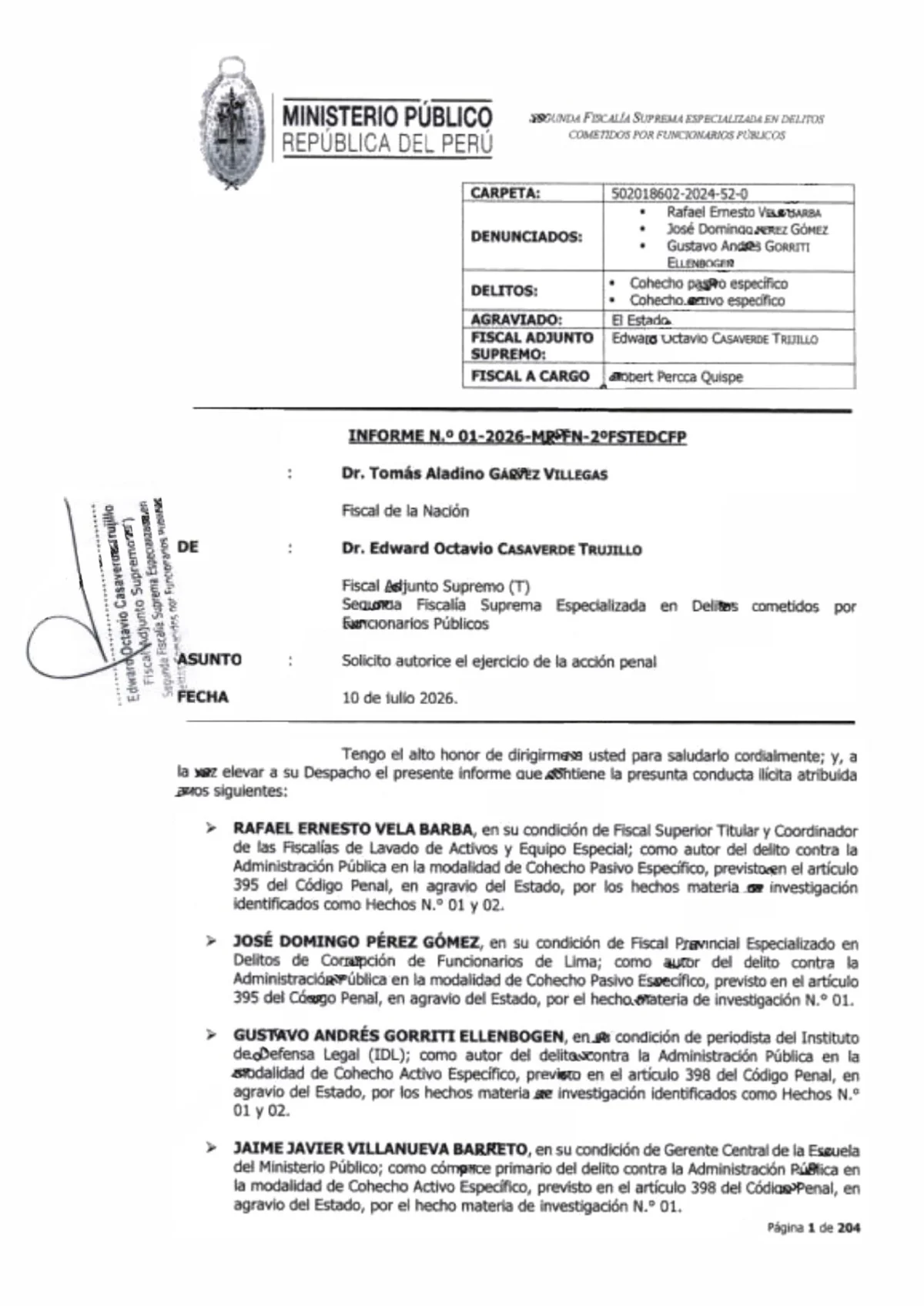
In a move that has sent shockwaves through international press freedom organizations, the Peruvian public prosecution system has initiated a campaign against veteran investigative journalist Gustavo Gorriti, director of IDL-Reporteros. The action stems from a 204-page report submitted by prosecutor Edward Casaverde, which formally requests authorization to pursue criminal charges against Gorriti for the alleged crime of bribery.
The push to prosecute one of Peru’s most decorated journalists has drawn immediate international condemnation. Joel Simon, director of the Journalism Protection Initiative at the Craig Newmark Graduate School of Journalism at CUNY, has penned a formal letter to the Prosecutor of the Nation, Tomás Aladino Gálvez, urging an immediate halt to these proceedings. Simon, who served as the executive director of the Committee to Protect Journalists (CPJ) for 15 years, warns that prosecuting a journalist in retaliation for their investigative work constitutes a grave violation of international press freedom standards.
Chronology: The Reversal of Justice
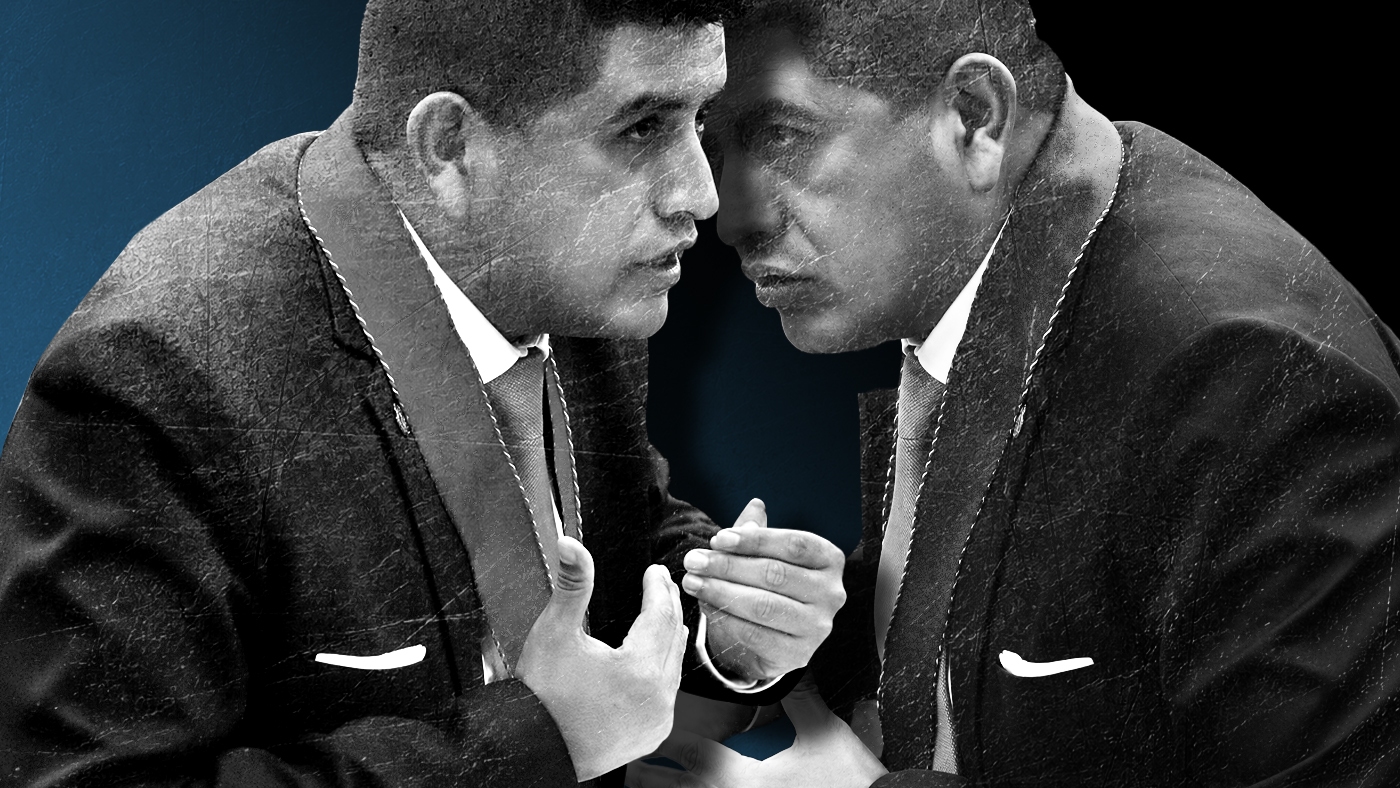
The current legal offensive is marked by a baffling, yet deeply calculated, legal inconsistency. Less than a year ago, prosecutor Edward Casaverde reviewed the exact same case file and reached a diametrically opposed conclusion: he ordered the investigation into Gorriti to be archived, explicitly noting a lack of evidence and merit to the claims.
The shift from total dismissal to a full-scale prosecution request suggests an environment of intense institutional pressure. Legal analysts, including high-profile constitutional lawyer Rosa María Palacios, have dismissed the current report as a "sham," noting that it relies on the very same testimonial evidence that Casaverde himself previously deemed insufficient and unreliable.

The Role of Jaime Villanueva
Central to this prosecution is the testimony of Jaime Villanueva, a former key aide to the Attorney General’s office. Villanueva, who is currently an aspiring "effective collaborator" (a plea-bargain witness), has provided statements that the prosecution is now using as the cornerstone of its case against Gorriti.
However, the prosecution’s reliance on Villanueva is riddled with contradictions. In a separate 279-page document signed by Prosecutor of the Nation Tomás Aladino Gálvez regarding the "Operation Valkiria" case, Villanueva’s testimony is systematically discredited. Gálvez’s own report references Villanueva’s statements over 400 times, consistently concluding that the witness is unreliable, inconsistent, and often inaccurate. By using a witness whom the office of the Prosecutor of the Nation has officially branded as untrustworthy in other high-profile cases, the Casaverde report faces a significant credibility crisis.
Supporting Data: The "Lava Juez" and "Lava Jato" Context
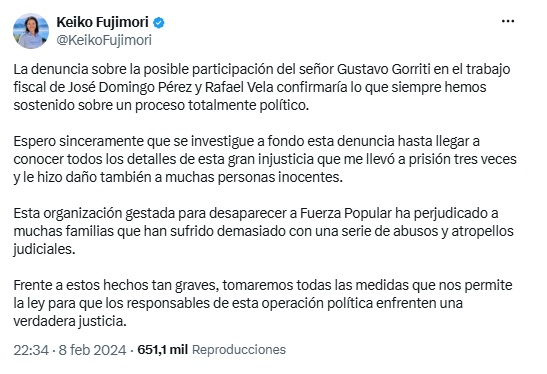
To understand the nature of these charges, one must look at the political climate in Peru. The current leadership within the Public Ministry is composed of figures who were previously removed from their posts due to their links to the "Cuellos Blancos" (White Collars) judicial corruption scandal.
The Return of the "Old Guard"
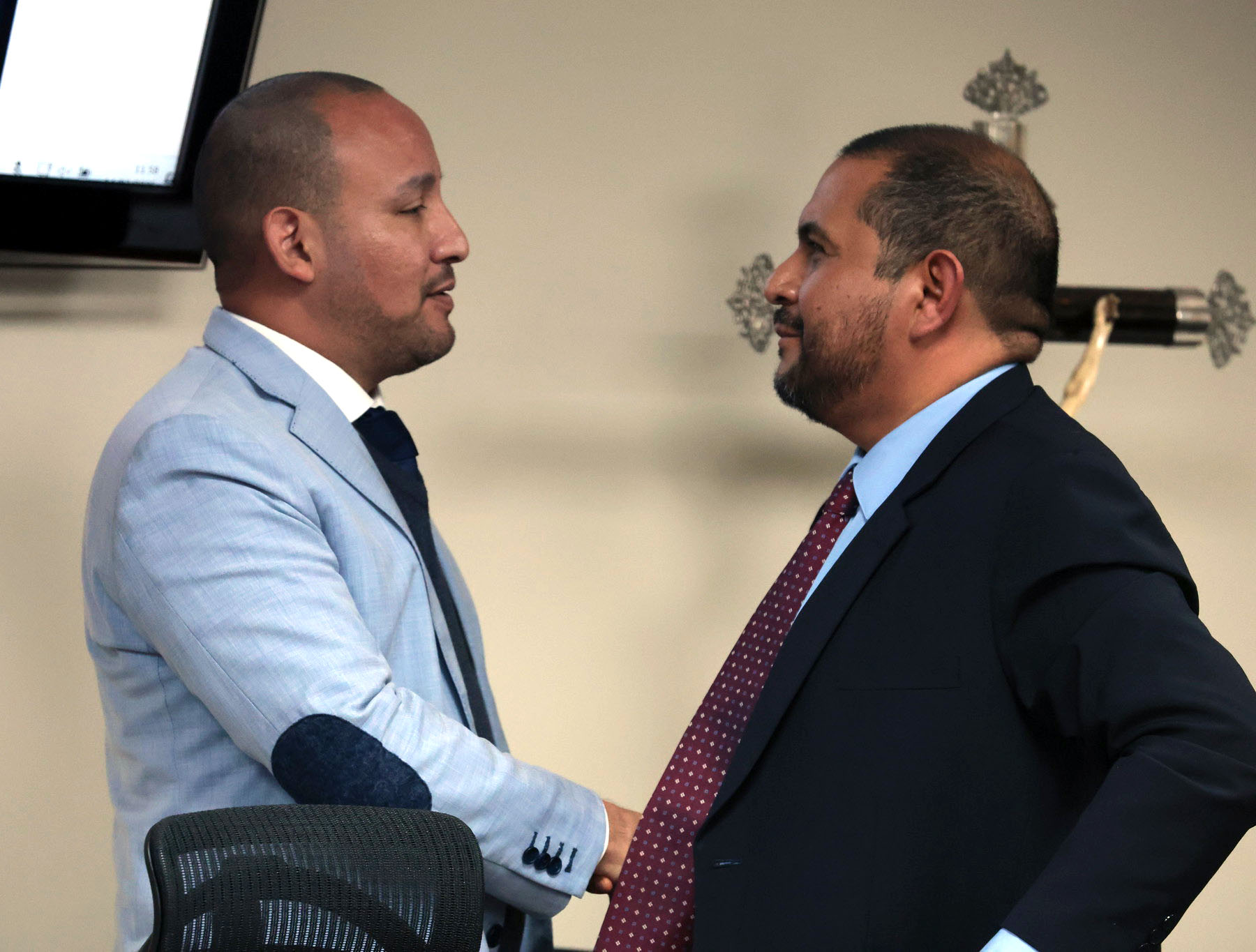
- Tomás Aladino Gálvez: Previously removed by the National Justice Board (JNJ) for his alleged involvement in the Cuellos Blancos network, Gálvez has not only returned to the Supreme Prosecutor’s office but has now assumed the position of Prosecutor of the Nation.
- Luis Arce Córdova: Removed for his ties to disgraced judge César Hinostroza, he has been reinstated to all his former powers.
- Víctor Raúl Rodríguez Monteza: Known for his attempts to intercept and leak sensitive information to shield corrupt judges, he has returned to the Supreme Prosecutor’s office to lead corruption investigations.
- Patricia Benavides: Implicated in the "Operation Valkiria" case, she has also been reinstated as a Supreme Prosecutor despite a wealth of evidence suggesting systemic abuse of power.
This collective of reinstated prosecutors is currently spearheading the legal strategy against IDL-Reporteros. The impartiality of these officials is not just in question; it is the central point of contention for civil society organizations monitoring the erosion of the rule of law in Peru.
The Criminalization of Investigative Journalism
The most alarming aspect of the Casaverde report is its underlying theory regarding the relationship between journalists and their sources. The document posits that the mere interaction between a journalist and a government official—even when the objective is to secure information for public interest reporting—should be viewed as a potential criminal act.
The "Cohecho Comunicacional" Doctrine
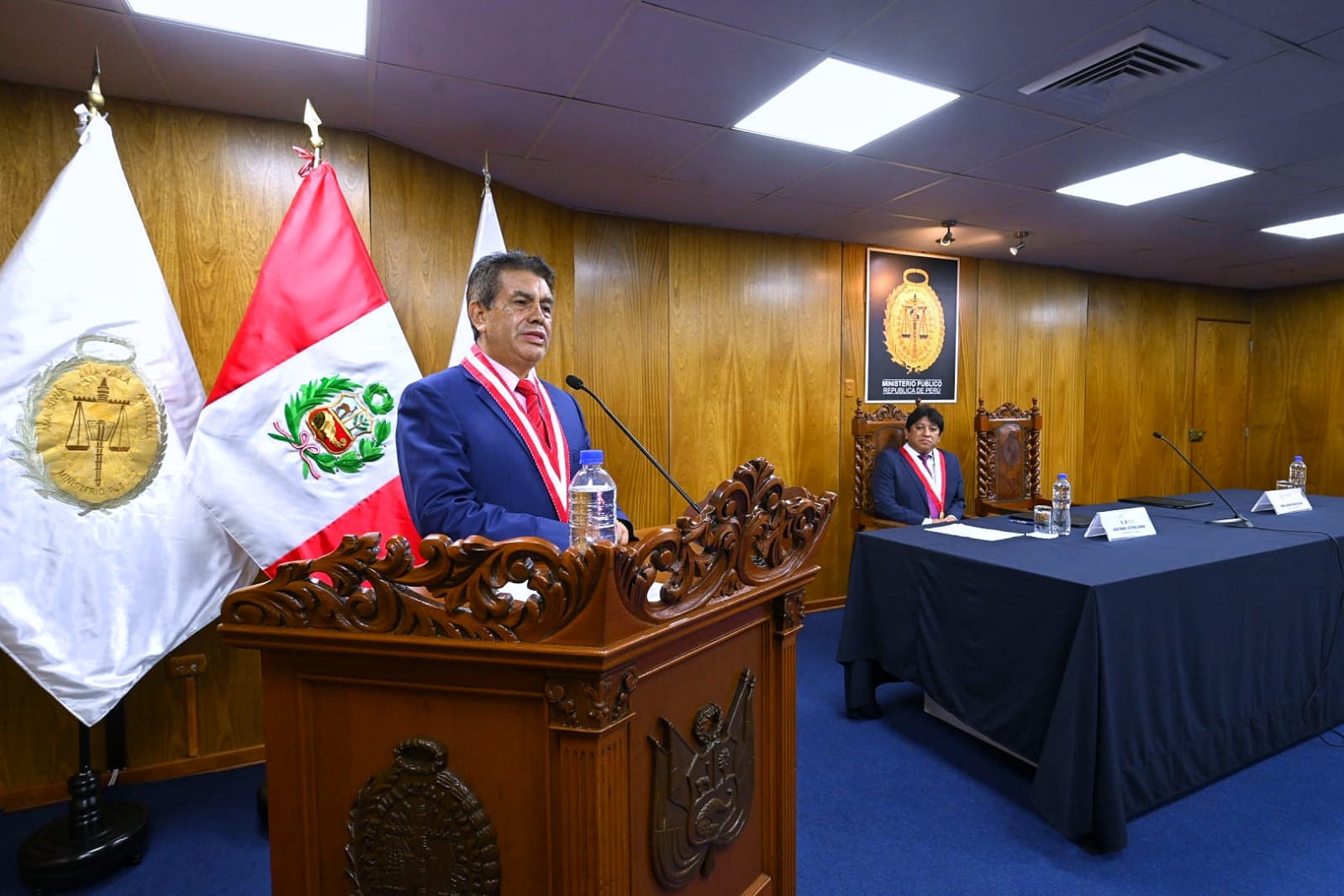
Prosecutor Casaverde argues that the disclosure of "reserved" information is not just a breach of duty by the source, but a material act of corruption by the journalist. This legal interpretation, which the prosecution labels as a form of "communicational bribery," threatens to dismantle the very foundations of the free press.
If this logic were applied universally, the most significant investigative breakthroughs in history would have been criminalized:
- The Pentagon Papers: The disclosure of classified documents regarding the Vietnam War would have been treated as a criminal conspiracy.
- Watergate: The collaboration between journalists and government sources (Deep Throat) would have been prosecuted as a bribery scheme.
- The Panama Papers: The exposure of global financial malfeasance would have been labeled a "cohecho" rather than an exercise in public interest journalism.
In the Peruvian context, the investigations into the Lava Jato (Car Wash) scandal and the Cuellos Blancos network—which exposed how high-level state and corporate actors traded favors for impunity—would never have reached the public.
Implications: The Intimidation Strategy
The legal action against Gustavo Gorriti is not an isolated event. It is a systematic effort by those exposed by IDL-Reporteros to rewrite the narrative. By portraying the investigative journalists as the criminals and the corrupt officials as the victims, the actors involved hope to achieve two goals:
- The Neutralization of Oversight: By threatening prison time and legal ruin, the current leadership of the Public Ministry seeks to intimidate other journalists and force them into self-censorship.
- The Restoration of Impunity: By discrediting the journalists who exposed the Lava Jato and Cuellos Blancos cases, the groups behind these scandals hope to secure the dismissal of their own cases and return to the status quo of protected corruption.
The Stance of the Targeted
Gustavo Gorriti has maintained that the charges are a clear case of "inexcusable ignorance" and retaliation. He notes that the report contains blatant factual errors, such as misrepresenting his professional titles and his involvement in specific political demonstrations. These inaccuracies, he argues, are not mere administrative oversights but proof of a coordinated campaign to fabricate a narrative of criminality.

Conclusion: A Noble but Difficult Cause
The situation in Peru reflects a broader global trend where democratic institutions are being captured from within to protect the interests of a corrupt elite. For Gorriti, the legal battle is not merely a personal defense, but a fight for the future of journalism in the region.
"Defending the right to the truth, whose vigorous arm is investigative journalism, was never and will never be easy," Gorriti stated in response to the allegations. As the case moves forward, the international community continues to watch closely. The outcome of this trial will serve as a bellwether for the health of democracy in Peru and the resilience of the press in the face of state-sponsored intimidation. The cost of defending the truth may be high, but as the IDL-Reporteros team asserts, there is no more noble cause than holding the powerful to account.